

Close Menu
Meteorological Technology International
  • News
    • A-E
      • Agriculture
      • Artificial Intelligence
      • Automated Weather Stations
      • Aviation
      • Climate Measurement
      • Data
      • Developing Countries
      • Digital Applications
      • Early Warning Systems
      • Extreme Weather
    • G-P
      • Hydrology
      • Lidar
      • Lightning Detection
      • New Appointments
      • Nowcasting
      • Numerical Weather Prediction
      • Polar Weather
    • R-S
      • Radar
      • Rainfall
      • Remote Sensing
      • Renewable Energy
      • Satellites
      • Solar
      • Space Weather
      • Supercomputers
    • T-Z
      • Training
      • Transport
      • Weather Instruments
      • Wind
      • World Meteorological Organization
      • Meteorological Technology World Expo
  • Features
  • Online Magazines
    • September 2026
    • January 2026
    • April 2025
    • January 2025
    • September 2024
    • April 2024
    • Archive Issues
    • Subscribe Free!
  • Opinion
  • Videos
  • Supplier Spotlight
  • Expo
LinkedIn X (Twitter) Facebook
  • Sign-up for Free Weekly E-Newsletter
  • Meet the Editors
  • Contact Us
  • Media Pack
LinkedIn Facebook
Subscribe
Meteorological Technology International
  • News
      • Agriculture
      • Artificial Intelligence
      • Automated Weather Stations
      • Aviation
      • Climate Measurement
      • Data
      • Developing Countries
      • Digital Applications
      • Early Warning Systems
      • Extreme Weather
      • Hydrology
      • Lidar
      • Lightning Detection
      • New Appointments
      • Nowcasting
      • Numerical Weather Prediction
      • Polar Weather
      • Radar
      • Rainfall
      • Remote Sensing
      • Renewable Energy
      • Satellites
      • Solar
      • Space Weather
      • Supercomputers
      • Training
      • Transport
      • Weather Instruments
      • Wind
      • World Meteorological Organization
      • Meteorological Technology World Expo
  • Features
  • Online Magazines
    1. September 2026
    2. April 2026
    3. January 2026
    4. September 2025
    5. April 2025
    6. January 2025
    7. September 2024
    8. April 2024
    9. January 2024
    10. Archive Issues
    11. Subscribe Free!
    Featured
    August 4, 2026

    In this Issue – September 2026

    By Web TeamAugust 4, 2026
    Recent

    In this Issue – September 2026

    August 4, 2026

    In this Issue – April 2026

    May 5, 2026

    In this Issue – January 2026

    November 27, 2025
  • Opinion
  • Videos
  • Supplier Spotlight
  • Expo
Facebook LinkedIn
Subscribe
Meteorological Technology International
Climate Measurement

New report links climate change to specific extreme weather events

Paul WillisBy Paul WillisDecember 17, 20192 Mins Read
Share LinkedIn Facebook Twitter Email
Share
LinkedIn Facebook Twitter Email

A new report gets specific about the direct effect of climate change on extreme weather events.

The Bulletin of the American Meteorological Society (BAMS) report provides evidence for how human-induced climate change made more likely a series of extreme weather events in 2018. The report presents 21 new peer-reviewed analyses of extreme weather across five continents and one body of water during 2018.

Calling on the research of 121 scientists from 13 countries who examined both historical observations and model simulations, the report – titled Explaining Extreme Events in 2018 From a Climate Perspective – tries to determine if and by how much climate change influenced these extreme global weather events.

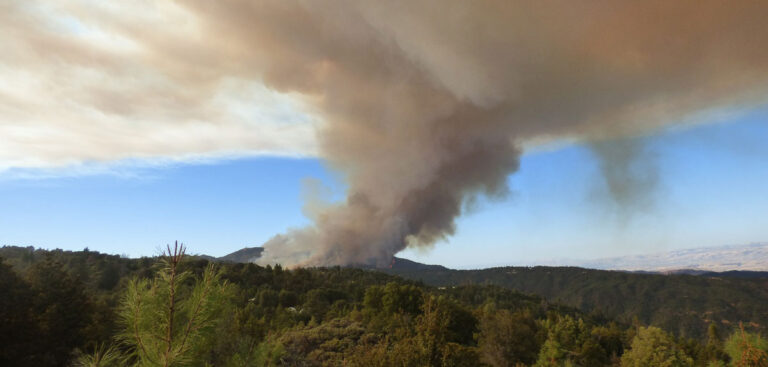
Among the weather extremes it analysed were record heatwaves in the Iberian peninsula and South Korea, a drought in the US Southwest, extreme flooding on the US East Coast, wildfires in California, an unusually cold spring in the UK and disappearing sea ice in the Bering Sea.

Stephanie Herring, a NOAA climate scientist and editor of the BAMS special issue, said that the field of climate attribution is improving as scientists develop better tools to identify a so-called ‘climate signal’ in extreme weather events.

“It’s now been 15 years since the publication of what is considered the first research on the role of climate change in extreme weather, and during that time the evidence that human-caused climate change is impacting weather events has only been increasing,” Herring said.

“This year we are seeing more and more evidence of climate change ‘fingerprints’ on different types of events, especially wildfires and heavy rain.”

Previous ArticleNOAA Arctic report lays bare the toll climate change is taking on the region
Next Article Global initiative to speed up development of hydromet services in poorer nations

Read Similar Stories

Climate Measurement

WMO forecasts very strong El Niño, with severe weather risks increasing into 2027

September 3, 20262 Mins Read
Climate Measurement

Copernicus: daily global sea-surface temperature reaches highest level on record

August 27, 20262 Mins Read
Radar

Bureau of Meteorology’s radar technology restores flood monitoring gauge in Cairns

August 18, 20262 Mins Read
Latest News

WMO forecasts very strong El Niño, with severe weather risks increasing into 2027

September 3, 2026

One month to go until Meteorological Technology World Expo returns to Amsterdam

September 3, 2026

EXCLUSIVE INTERVIEW: Maarten van Aalst, director-general, KNMI

September 2, 2026

Receive breaking stories and features in your inbox each week, for free


Enter your email address:


Supplier Spotlights
  • Baron
Getting in Touch
  • Contact Us / Advertise
  • Meet the Editors
  • Media Pack
  • Free Weekly E-Newsletter
Our Social Channels
  • Facebook
  • LinkedIn
© 2026 UKi Media & Events a division of UKIP Media & Events Ltd
  • Cookie Policy
  • Privacy Policy
  • Terms and Conditions
  • Notice and Takedown Policy

Type above and press Enter to search. Press Esc to cancel.