

Close Menu
Meteorological Technology International
  • News
    • A-E
      • Agriculture
      • Automated Weather Stations
      • Aviation
      • Climate Measurement
      • Data
      • Developing Countries
      • Digital Applications
      • Early Warning Systems
      • Extreme Weather
    • G-P
      • Hydrology
      • Lidar
      • Lightning Detection
      • New Appointments
      • Nowcasting
      • Numerical Weather Prediction
      • Polar Weather
    • R-S
      • Radar
      • Rainfall
      • Remote Sensing
      • Renewable Energy
      • Satellites
      • Solar
      • Space Weather
      • Supercomputers
    • T-Z
      • Training
      • Transport
      • Weather Instruments
      • Wind
      • World Meteorological Organization
      • Meteorological Technology World Expo
  • Features
  • Online Magazines
    • January 2026
    • April 2025
    • January 2025
    • September 2024
    • April 2024
    • Archive Issues
    • Subscribe Free!
  • Opinion
  • Videos
  • Supplier Spotlight
  • Expo
LinkedIn X (Twitter) Facebook
  • Sign-up for Free Weekly E-Newsletter
  • Meet the Editors
  • Contact Us
  • Media Pack
LinkedIn Facebook
Subscribe
Meteorological Technology International
  • News
      • Agriculture
      • Automated Weather Stations
      • Aviation
      • Climate Measurement
      • Data
      • Developing Countries
      • Digital Applications
      • Early Warning Systems
      • Extreme Weather
      • Hydrology
      • Lidar
      • Lightning Detection
      • New Appointments
      • Nowcasting
      • Numerical Weather Prediction
      • Polar Weather
      • Radar
      • Rainfall
      • Remote Sensing
      • Renewable Energy
      • Satellites
      • Solar
      • Space Weather
      • Supercomputers
      • Training
      • Transport
      • Weather Instruments
      • Wind
      • World Meteorological Organization
      • Meteorological Technology World Expo
  • Features
  • Online Magazines
    1. April 2026
    2. January 2026
    3. September 2025
    4. April 2025
    5. January 2025
    6. September 2024
    7. April 2024
    8. January 2024
    9. Archive Issues
    10. Subscribe Free!
    Featured
    May 5, 2026

    In this Issue – April 2026

    By Web TeamMay 5, 2026
    Recent

    In this Issue – April 2026

    May 5, 2026

    In this Issue – January 2026

    November 27, 2025

    In this Issue – September 2025

    August 11, 2025
  • Opinion
  • Videos
  • Supplier Spotlight
  • Expo
Facebook LinkedIn
Subscribe
Meteorological Technology International
Data

US research agency to make weather data software available to private sector

Paul WillisBy Paul WillisMarch 19, 20202 Mins Read
Share LinkedIn Facebook Twitter Email
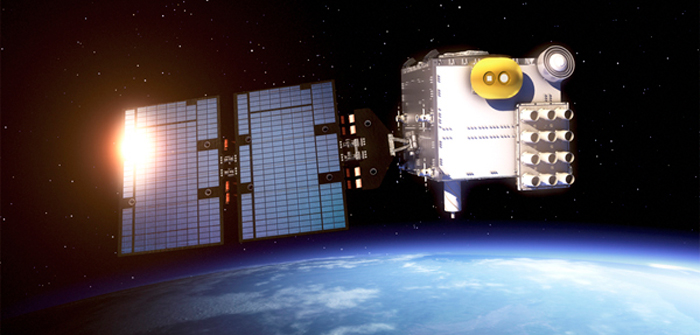
An artist’s rendering of a COSMIC-2 satellite. Image: Surrey Satellite Technology Ltd.
Share
LinkedIn Facebook Twitter Email

Atmospheric researchers in the USA have signed a deal that will make available a satellite data processing system for use by the private sector.

The deal is between the University Corporation for Atmospheric Research (UCAR), a non-profit consortium of more than 100 US universities and research institutions, and Atmospheric and Environmental Research Inc. (AER), an atmospheric research company.

Under the terms of the contract, AER will adapt UCAR’s SatDAAC software system to process global navigation satellite system (GNSS) radio occultation data from satellites.

AER plans to use the software to process satellite data for commercial companies that sell their Earth observation data products to government agencies and other clients.

GNSS radio occultation is a method for measuring atmospheric temperature, pressure and humidity by measuring the degree to which GPS signals bend and slow as they descend through Earth’s atmosphere.

UCAR began producing operational GNSS radio occultation data in 2006, using a constellation of small satellites known as the Constellation Observing System for Meteorology, Ionosphere, and Climate (COSMIC).

The data gathered by COSMIC helped improve forecasting of tropical cyclones and major storms, as well as advancing understanding of space weather and global climate, UCAR said.

A follow-up to the first mission was launched last June. Known as COSMIC-2, this new constellation of small satellites will provide twice as many soundings of the atmosphere with higher quality than COSMIC, said UCAR.

“This type of alliance with the private sector is instrumental for adding value to weather forecasting and protecting lives and property,” said UCAR president Antonio Busalacchi. “By transitioning publicly funded research to industry, we are ensuring that the latest scientific advances are leveraged in ways that help society and keep the nation economically competitive.”

Previous ArticleSupercomputing center closure one of many US weather agency coronavirus shutdowns
Next Article GRACE tracks ice loss at the poles

Read Similar Stories

Climate Measurement

WMO reports record dust storms in China and USA-Mexico border in 2025

July 13, 20263 Mins Read
Climate Measurement

Copernicus reports hottest June on record for Western Europe

July 9, 20262 Mins Read
Digital Applications

Synoptic Data awarded UK Met Office contract for weather data services

July 8, 20262 Mins Read
Latest News

Machine learning opens new possibilities for global atmospheric reanalysis

July 22, 2026

North Sea marine heatwave intensified impacts of Storm Babet by 9-20%

July 21, 2026

FEATURE: UAH study tracks post-wildfire weather shifts

July 21, 2026

Receive breaking stories and features in your inbox each week, for free


Enter your email address:


Supplier Spotlights
  • Meteorage
Getting in Touch
  • Contact Us / Advertise
  • Meet the Editors
  • Media Pack
  • Free Weekly E-Newsletter
Our Social Channels
  • Facebook
  • LinkedIn
© 2026 UKi Media & Events a division of UKIP Media & Events Ltd
  • Cookie Policy
  • Privacy Policy
  • Terms and Conditions
  • Notice and Takedown Policy

Type above and press Enter to search. Press Esc to cancel.