


Close Menu
Meteorological Technology International
  • News
    • A-E
      • Agriculture
      • Automated Weather Stations
      • Aviation
      • Climate Measurement
      • Data
      • Developing Countries
      • Digital Applications
      • Early Warning Systems
      • Extreme Weather
    • G-P
      • Hydrology
      • Lidar
      • Lightning Detection
      • New Appointments
      • Nowcasting
      • Numerical Weather Prediction
      • Polar Weather
    • R-S
      • Radar
      • Rainfall
      • Remote Sensing
      • Renewable Energy
      • Satellites
      • Solar
      • Space Weather
      • Supercomputers
    • T-Z
      • Training
      • Transport
      • Weather Instruments
      • Wind
      • World Meteorological Organization
      • Meteorological Technology World Expo
  • Features
  • Online Magazines
    • January 2026
    • April 2025
    • January 2025
    • September 2024
    • April 2024
    • Archive Issues
    • Subscribe Free!
  • Opinion
  • Videos
  • Supplier Spotlight
  • Expo
LinkedIn X (Twitter) Facebook
  • Sign-up for Free Weekly E-Newsletter
  • Meet the Editors
  • Contact Us
  • Media Pack
LinkedIn Facebook
Subscribe
Meteorological Technology International
  • News
      • Agriculture
      • Automated Weather Stations
      • Aviation
      • Climate Measurement
      • Data
      • Developing Countries
      • Digital Applications
      • Early Warning Systems
      • Extreme Weather
      • Hydrology
      • Lidar
      • Lightning Detection
      • New Appointments
      • Nowcasting
      • Numerical Weather Prediction
      • Polar Weather
      • Radar
      • Rainfall
      • Remote Sensing
      • Renewable Energy
      • Satellites
      • Solar
      • Space Weather
      • Supercomputers
      • Training
      • Transport
      • Weather Instruments
      • Wind
      • World Meteorological Organization
      • Meteorological Technology World Expo
  • Features
  • Online Magazines
    1. January 2026
    2. September 2025
    3. April 2025
    4. January 2025
    5. September 2024
    6. April 2024
    7. January 2024
    8. September 2023
    9. April 2023
    10. Archive Issues
    11. Subscribe Free!
    Featured
    November 27, 2025

    In this Issue – January 2026

    By Hazel KingNovember 27, 2025
    Recent

    In this Issue – January 2026

    November 27, 2025

    In this Issue – September 2025

    August 11, 2025

    In this Issue – April 2025

    April 15, 2025
  • Opinion
  • Videos
  • Supplier Spotlight
  • Expo
Facebook LinkedIn
Subscribe
Meteorological Technology International
Early Warning Systems

UNSW Canberra study deems creation of Australian-built weather satellites “practically achievable”

Dan SymondsBy Dan SymondsOctober 21, 20213 Mins Read
Share LinkedIn Facebook Twitter Email
BoM currently depends on observations from foreign-owned satellites and partner meteorological organizations - credit: Pixabay
Share
LinkedIn Facebook Twitter Email

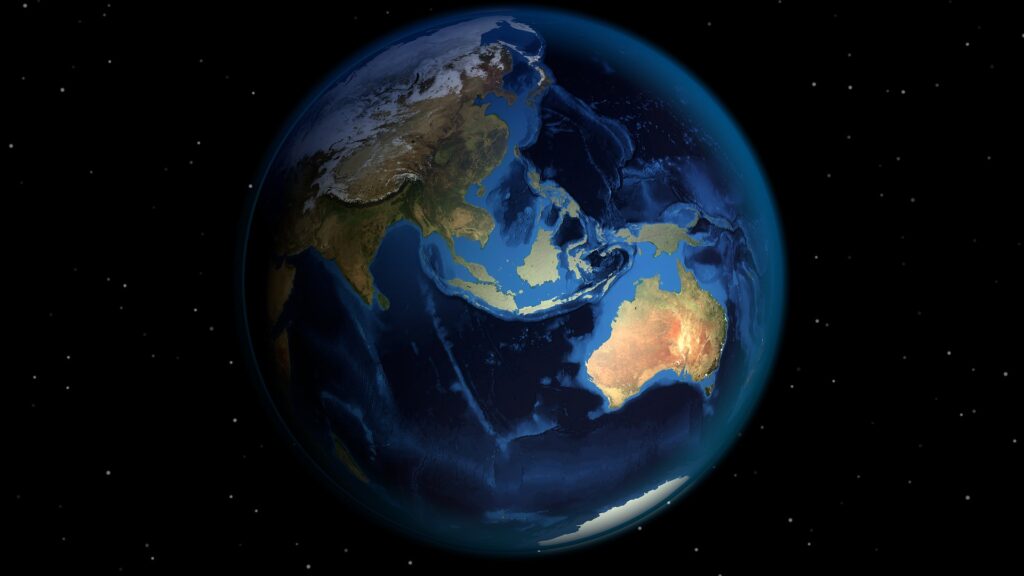
A suite of Australian designed and built meteorological satellites could help meet the future needs of the Bureau of Meteorology (BoM), a University of New South Wales (UNSW) Canberra study has found.

At present BoM depends heavily on Earth observations from foreign-owned satellites and partner meteorological organizations to predict the weather, as Australia does not own or operate any such satellites.

Conducted in UNSW Canberra’s Australian National Concurrent Design Facility (ANCDF), the study identified the feasibility of Australian-designed and built meteorological satellites that could support the Bureau’s numerical weather prediction (NWP) and nowcasting functions, as well as address data gaps in the global meteorological observing system.

Denis Naughton, ANCDF manager and space systems engineer, said, “The objectives of this study were to identify those meteorological instruments having the greatest potential to meet not only the Bureau’s mandates and future needs for satellite data, but to provide a data generation capability that would contribute to the global meteorological community, opportunities for Australia to strengthen international partnerships to ensure ongoing access to critical weather satellite data streams and increase data assurance by contributing to the growth of a sovereign satellite industry capability,” he said.

The identified instruments included a lightning sensor to support severe storm forecasting and climate studies; a synthetic aperture radar (SAR) instrument for sea ice monitoring; and a hyperspectral microwave sounder for atmospheric temperature and humidity profiling.

“Each instrument was evaluated from performance and feasibility perspectives and were deemed to be practically achievable, and a recommendation was made to advance each project for further evaluation,” said Naughton. “The pathway to operational, reliable and trusted missions would most likely be through the development of pathfinder missions.

“Australian industry-developed pathfinder missions could include sovereign instrument designs, spacecraft subsystems and data processing capabilities, which could serve as a pathway to longer-term operational systems as the industry matures, while simultaneously providing improved data products to the Bureau and its partner meteorological agencies in the short-term. The result would also lead to an increase of skills in Australia across the satellite supply chain and within all related sectors,” he said.

The study is one of three satellite missions being studied by the UNSW ANCDF to inform the development of the Australian Space Agency’s Earth Observation Technical Roadmap in 2021.

It follows a scoping study for AquaWatch Australia, a joint initiative between CSIRO and SmartSat Cooperative Research Centre, which aims to use space technologies to monitor the quality of Australia’s fresh and coastal water bodies; and a Geoscience Australia-Pre-Phase A study for a satellite cross-calibration radiometer (SCR) satellite series – a collaborative effort between the Australian Space Agency, Geoscience Australia, CSIRO, and the United States Geological Survey.

Previous ArticleFood insecurity, poverty and displacement in Africa exacerbated by climate change
Next Article Alibaba’s DAMO Academy unveils AI-powered application for nowcasting

Read Similar Stories

Space Weather

Northumbria University secures £4m to study Earth’s radiation belts

April 16, 20262 Mins Read
Extreme Weather

AI model improves real-time prediction of wildfire spread

April 16, 20263 Mins Read
Satellites

AI tool uses weather satellite data to map ocean currents in near real time

April 14, 20263 Mins Read
Latest News

Extreme heat posing significant risks to ecosystems and agriculture, FAO-WMO report warns

April 22, 2026

Atmospheric G2 secures Japan weather forecasting license

April 21, 2026

China completes Antarctic meteorological research mission with Xuelong icebreaker

April 21, 2026

Receive breaking stories and features in your inbox each week, for free


Enter your email address:


Supplier Spotlights
  • GAMIC GmbH
Getting in Touch
  • Contact Us / Advertise
  • Meet the Editors
  • Media Pack
  • Free Weekly E-Newsletter
Our Social Channels
  • Facebook
  • LinkedIn
© 2026 UKi Media & Events a division of UKIP Media & Events Ltd
  • Cookie Policy
  • Privacy Policy
  • Terms and Conditions
  • Notice and Takedown Policy

Type above and press Enter to search. Press Esc to cancel.