


Close Menu
Meteorological Technology International
  • News
    • A-E
      • Agriculture
      • Artificial Intelligence
      • Automated Weather Stations
      • Aviation
      • Climate Measurement
      • Data
      • Developing Countries
      • Digital Applications
      • Early Warning Systems
      • Extreme Weather
    • G-P
      • Hydrology
      • Lidar
      • Lightning Detection
      • New Appointments
      • Nowcasting
      • Numerical Weather Prediction
      • Polar Weather
    • R-S
      • Radar
      • Rainfall
      • Remote Sensing
      • Renewable Energy
      • Satellites
      • Solar
      • Space Weather
      • Supercomputers
    • T-Z
      • Training
      • Transport
      • Weather Instruments
      • Wind
      • World Meteorological Organization
      • Meteorological Technology World Expo
  • Features
  • Online Magazines
    • September 2026
    • January 2026
    • April 2025
    • January 2025
    • September 2024
    • April 2024
    • Archive Issues
    • Subscribe Free!
  • Opinion
  • Videos
  • Supplier Spotlight
  • Expo
LinkedIn X (Twitter) Facebook
  • Sign-up for Free Weekly E-Newsletter
  • Meet the Editors
  • Contact Us
  • Media Pack
LinkedIn Facebook
Subscribe
Meteorological Technology International
  • News
      • Agriculture
      • Artificial Intelligence
      • Automated Weather Stations
      • Aviation
      • Climate Measurement
      • Data
      • Developing Countries
      • Digital Applications
      • Early Warning Systems
      • Extreme Weather
      • Hydrology
      • Lidar
      • Lightning Detection
      • New Appointments
      • Nowcasting
      • Numerical Weather Prediction
      • Polar Weather
      • Radar
      • Rainfall
      • Remote Sensing
      • Renewable Energy
      • Satellites
      • Solar
      • Space Weather
      • Supercomputers
      • Training
      • Transport
      • Weather Instruments
      • Wind
      • World Meteorological Organization
      • Meteorological Technology World Expo
  • Features
  • Online Magazines
    1. September 2026
    2. April 2026
    3. January 2026
    4. September 2025
    5. April 2025
    6. January 2025
    7. September 2024
    8. April 2024
    9. January 2024
    10. Archive Issues
    11. Subscribe Free!
    Featured
    August 4, 2026

    In this Issue – September 2026

    By Web TeamAugust 4, 2026
    Recent

    In this Issue – September 2026

    August 4, 2026

    In this Issue – April 2026

    May 5, 2026

    In this Issue – January 2026

    November 27, 2025
  • Opinion
  • Videos
  • Supplier Spotlight
  • Expo
Facebook LinkedIn
Subscribe
Meteorological Technology International
Climate Measurement

FMI unveils Yasso model enhancements to improve soil carbon calculations for climate-change applications

Dan SymondsBy Dan SymondsSeptember 21, 20222 Mins Read
Share LinkedIn Facebook Twitter Email
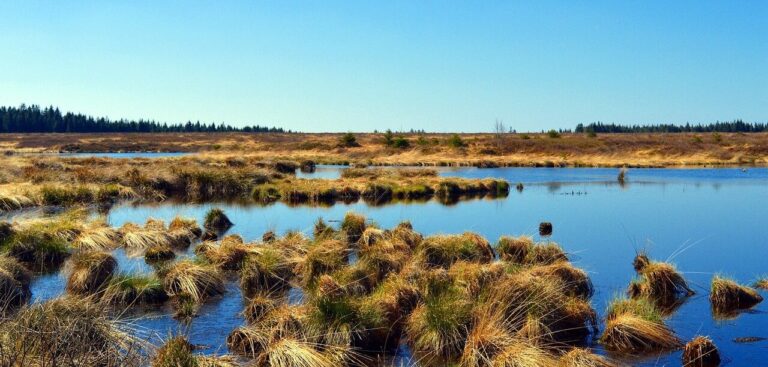
Photo credit: Pixabay-Marisa04
Share
LinkedIn Facebook Twitter Email

The Finnish Meteorological Institute (FMI) has released a series of new extensions for its widely used Yasso model, helping to improve soil carbon calculations for climate change applications.

The FMI is continuously developing the Yasso model together with its partners for use in creating greenhouse gas inventories and future scenarios, and for evaluating the effects of various measures in the land use sector. The new extensions to the Yasso model improve the reliability of the results in the model’s application areas and expand the model’s usage possibilities in scientific research. The new extensions include:

Improved Yasso20 model version

Graphical user interface for Yasso07, Yasso15 and Yasso20 models

Description of the carbon-13 isotope cycle

Effect of mycorrhiza on the soil carbon cycle

Several countries use the Yasso model to calculate soil carbon emissions and sinks in their greenhouse gas inventories. These inventories are essential information sources for climate policy. Yasso is the soil module of the Max Planck Institute’s climate system model and many other calculation systems. Thus, it is used in global climate change scenarios and climate impact assessments of forest and cropland treatment options. Altogether, the Yasso model has been used in about 200 research articles worldwide.

All material of the extensions is freely available on the Finnish Meteorological Institute’s website, which can be viewed by clicking here.

Previous ArticleBritish students demonstrate notable gaps in key climate literacy, discovers RMetS research
Next Article NASA and Google expand partnership to better track local air pollution globally

Read Similar Stories

Climate Measurement

September’s Antarctic ozone hole grows to larger than average size

September 16, 20262 Mins Read
Extreme Weather

Cardiff University to use drone technology to strengthen wildfire monitoring and response

September 15, 20263 Mins Read
Radar

Climavision opens radar network and forecasting platform to AI data centers ahead of 2027 grid deadline

September 10, 20263 Mins Read
Latest News

September’s Antarctic ozone hole grows to larger than average size

September 16, 2026

Cardiff University to use drone technology to strengthen wildfire monitoring and response

September 15, 2026

Tomorrow.io reveals five-instrument design for DeepSky weather satellites

September 11, 2026

Receive breaking stories and features in your inbox each week, for free


Enter your email address:


Supplier Spotlights
  • MicroStep-MIS
Getting in Touch
  • Contact Us / Advertise
  • Meet the Editors
  • Media Pack
  • Free Weekly E-Newsletter
Our Social Channels
  • Facebook
  • LinkedIn
© 2026 UKi Media & Events a division of UKIP Media & Events Ltd
  • Cookie Policy
  • Privacy Policy
  • Terms and Conditions
  • Notice and Takedown Policy

Type above and press Enter to search. Press Esc to cancel.