

Close Menu
Meteorological Technology International
  • News
    • A-E
      • Agriculture
      • Automated Weather Stations
      • Aviation
      • Climate Measurement
      • Data
      • Developing Countries
      • Digital Applications
      • Early Warning Systems
      • Extreme Weather
    • G-P
      • Hydrology
      • Lidar
      • Lightning Detection
      • New Appointments
      • Nowcasting
      • Numerical Weather Prediction
      • Polar Weather
    • R-S
      • Radar
      • Rainfall
      • Remote Sensing
      • Renewable Energy
      • Satellites
      • Solar
      • Space Weather
      • Supercomputers
    • T-Z
      • Training
      • Transport
      • Weather Instruments
      • Wind
      • World Meteorological Organization
      • Meteorological Technology World Expo
  • Features
  • Online Magazines
    • January 2026
    • April 2025
    • January 2025
    • September 2024
    • April 2024
    • Archive Issues
    • Subscribe Free!
  • Opinion
  • Videos
  • Supplier Spotlight
  • Expo
LinkedIn X (Twitter) Facebook
  • Sign-up for Free Weekly E-Newsletter
  • Meet the Editors
  • Contact Us
  • Media Pack
LinkedIn Facebook
Subscribe
Meteorological Technology International
  • News
      • Agriculture
      • Automated Weather Stations
      • Aviation
      • Climate Measurement
      • Data
      • Developing Countries
      • Digital Applications
      • Early Warning Systems
      • Extreme Weather
      • Hydrology
      • Lidar
      • Lightning Detection
      • New Appointments
      • Nowcasting
      • Numerical Weather Prediction
      • Polar Weather
      • Radar
      • Rainfall
      • Remote Sensing
      • Renewable Energy
      • Satellites
      • Solar
      • Space Weather
      • Supercomputers
      • Training
      • Transport
      • Weather Instruments
      • Wind
      • World Meteorological Organization
      • Meteorological Technology World Expo
  • Features
  • Online Magazines
    1. April 2026
    2. January 2026
    3. September 2025
    4. April 2025
    5. January 2025
    6. September 2024
    7. April 2024
    8. January 2024
    9. Archive Issues
    10. Subscribe Free!
    Featured
    May 5, 2026

    In this Issue – April 2026

    By Web TeamMay 5, 2026
    Recent

    In this Issue – April 2026

    May 5, 2026

    In this Issue – January 2026

    November 27, 2025

    In this Issue – September 2025

    August 11, 2025
  • Opinion
  • Videos
  • Supplier Spotlight
  • Expo
Facebook LinkedIn
Subscribe
Meteorological Technology International
Climate Measurement

Major methane leak in the UK detected using satellites

William AtkinsonBy William AtkinsonSeptember 22, 20232 Mins Read
Share LinkedIn Facebook Twitter Email
Credit: Anne Nygard -Unsplash
Share
LinkedIn Facebook Twitter Email

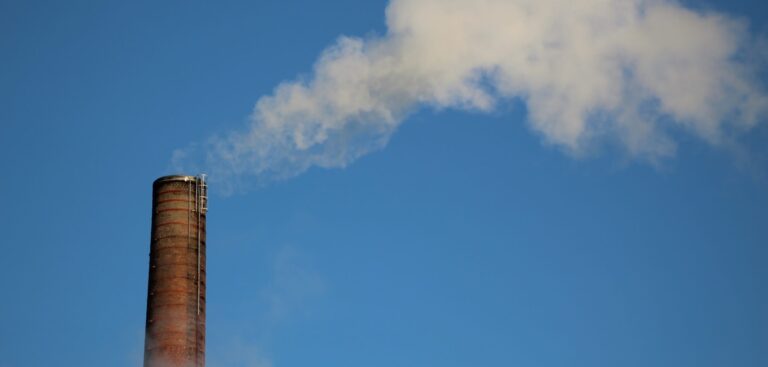
Using high-resolution data from the greenhouse gas emissions monitoring service GHGSat, an international collaboration led by National Centre for Earth Observation (NCEO) scientists at the University of Leeds (UK), has discovered a substantial methane leak from a faulty gas pipe. This is the first time a UK methane emission has been detected from space and mitigated.

While reviewing GHGSat data to support one of its the projects, the Leeds team identified an unusually large source near a landfill site they were focusing on. The source was releasing methane at a rate of over 200kg/h. This was subsequently confirmed by researchers from Royal Holloway, University of London, who visited the site with their mobile measurement vehicle.

The team first recorded the emission on March 27, at which point GHGSat re-tasked its constellation to increase the capacity over the site. This resulted in five further successful measurements over a period of two months, showing emissions ranging from 200-1,400kg/h.

The researchers and GHGSat alerted the owner of the pipeline, Wales & West Utilities, who moved promptly to address the problem. Following an investigation, repairs were completed by June 13, after which time GHGSat satellites recorded no further emissions.

It has been estimated that the total volume of methane that leaked from the pipe over the 11 week-period was equivalent to the annual electricity consumption of more than 7,500 average homes, according to the EPA calculator.

Emily Dowd, the study lead and SENSE CDT PhD student at the School of Earth and Environment and the National Centre for Earth Observation, University of Leeds, said, “Methane is a highly potent greenhouse gas and this work has shown that satellites can now provide a system to rapidly identify where leaks are happening so that action can be taken to minimize emissions and therefore the climate impact.”

NCEO will be supporting a new UK access program for GHGSat data, which is funded through the UK Space Agency and coordinated through the Satellite Applications Catapult.

Previous ArticleNCAS trials use of biofuel to power storm-tracking weather radar
Next Article EMS and AMS renew collaboration agreement

Read Similar Stories

Extreme Weather

Impacts of extreme weather and rising temperatures intensify across Latin America and Caribbean

May 15, 20263 Mins Read
Data

Ventusky adds fire monitoring to its weather maps

May 14, 20262 Mins Read
Automated Weather Stations

UNESCO hands over nine automated weather stations to the Ghana Meteorological Agency

May 12, 20262 Mins Read
Latest News

Impacts of extreme weather and rising temperatures intensify across Latin America and Caribbean

May 15, 2026

Ventusky adds fire monitoring to its weather maps

May 14, 2026

“For over a century, precipitation gauges have measured too low” – Vaisala addresses the measurement gap

May 13, 2026

Receive breaking stories and features in your inbox each week, for free


Enter your email address:


Supplier Spotlights
  • Meteomatics AG
Getting in Touch
  • Contact Us / Advertise
  • Meet the Editors
  • Media Pack
  • Free Weekly E-Newsletter
Our Social Channels
  • Facebook
  • LinkedIn
© 2026 UKi Media & Events a division of UKIP Media & Events Ltd
  • Cookie Policy
  • Privacy Policy
  • Terms and Conditions
  • Notice and Takedown Policy

Type above and press Enter to search. Press Esc to cancel.