


Close Menu
Meteorological Technology International
  • News
    • A-E
      • Agriculture
      • Automated Weather Stations
      • Aviation
      • Climate Measurement
      • Data
      • Developing Countries
      • Digital Applications
      • Early Warning Systems
      • Extreme Weather
    • G-P
      • Hydrology
      • Lidar
      • Lightning Detection
      • New Appointments
      • Nowcasting
      • Numerical Weather Prediction
      • Polar Weather
    • R-S
      • Radar
      • Rainfall
      • Remote Sensing
      • Renewable Energy
      • Satellites
      • Solar
      • Space Weather
      • Supercomputers
    • T-Z
      • Training
      • Transport
      • Weather Instruments
      • Wind
      • World Meteorological Organization
      • Meteorological Technology World Expo
  • Features
  • Online Magazines
    • January 2026
    • April 2025
    • January 2025
    • September 2024
    • April 2024
    • Archive Issues
    • Subscribe Free!
  • Opinion
  • Videos
  • Supplier Spotlight
  • Expo
LinkedIn X (Twitter) Facebook
  • Sign-up for Free Weekly E-Newsletter
  • Meet the Editors
  • Contact Us
  • Media Pack
LinkedIn Facebook
Subscribe
Meteorological Technology International
  • News
      • Agriculture
      • Automated Weather Stations
      • Aviation
      • Climate Measurement
      • Data
      • Developing Countries
      • Digital Applications
      • Early Warning Systems
      • Extreme Weather
      • Hydrology
      • Lidar
      • Lightning Detection
      • New Appointments
      • Nowcasting
      • Numerical Weather Prediction
      • Polar Weather
      • Radar
      • Rainfall
      • Remote Sensing
      • Renewable Energy
      • Satellites
      • Solar
      • Space Weather
      • Supercomputers
      • Training
      • Transport
      • Weather Instruments
      • Wind
      • World Meteorological Organization
      • Meteorological Technology World Expo
  • Features
  • Online Magazines
    1. April 2026
    2. January 2026
    3. September 2025
    4. April 2025
    5. January 2025
    6. September 2024
    7. April 2024
    8. January 2024
    9. Archive Issues
    10. Subscribe Free!
    Featured
    May 5, 2026

    In this Issue – April 2026

    By Web TeamMay 5, 2026
    Recent

    In this Issue – April 2026

    May 5, 2026

    In this Issue – January 2026

    November 27, 2025

    In this Issue – September 2025

    August 11, 2025
  • Opinion
  • Videos
  • Supplier Spotlight
  • Expo
Facebook LinkedIn
Subscribe
Meteorological Technology International
Developing Countries

Microsoft and Tomorrow.io collaborate on climate adaptation and early warning solutions in Africa

Elizabeth BakerBy Elizabeth BakerNovember 16, 20223 Mins Read
Share LinkedIn Facebook Twitter Email
Share
LinkedIn Facebook Twitter Email

Microsoft has partnered with weather technology company Tomorrow.io to support governments, businesses and farmers in Africa to adapt to the growing impact of climate change.

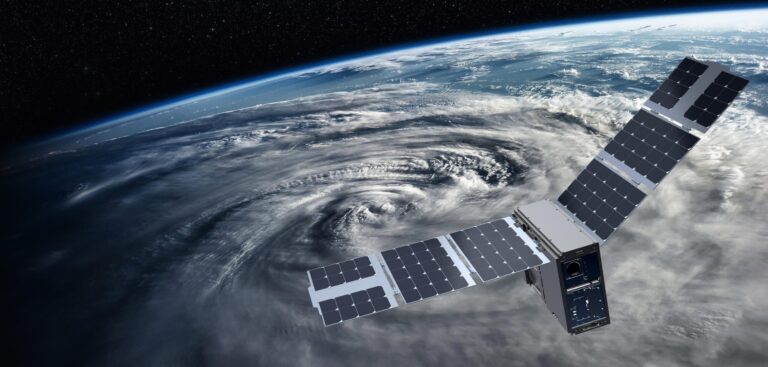
Tomorrow.io is offering governments that currently lack sufficient hydro-meteorological capacity a modernized, cloud-based service in partnership with Microsoft Azure. The offering includes leveraging its satellite constellation to close radar observation gaps, and commercial cloud infrastructure to enable localized, high-resolution weather forecasting models. The primary areas of focus will target climate-resilient farming through agricultural advisory apps and services, helping smallholder farmers optimize their yield productivity.

Microsoft and Tomorrow.io will partner with African governments, empowering existing meteorological agencies to deliver the needed weather intelligence, early warning and climate information and become self-sustained organizations. The collaboration will bring together Microsoft Azure and Tomorrow.io’s proprietary weather intelligence technology to provide a cloud-based solution for climate adaptation and early warnings, starting with African countries. The technology uses Tomorrow.io’s coverage of near real-time data from its multi-sensor satellite constellation, together with an AI-powered, high-resolution global weather model which will be deployed on Microsoft Azure’s high-performance computing (HPC).

In this time of increasing food insecurity, the partners have asserted that increasing the resilience and livelihoods of smallholder farmers is needed to drive increased agriculture productivity including reducing losses in the food production chain. With the increasing impacts of more frequent extreme weather events, the companies find that adaptation and resilience are of crucial importance to the food systems’ transformation.

According to these companies, the need for reliable early warning systems has increased, as the impact of natural disasters due to climate change is increasingly growing and is expected to become more frequent and volatile over the next few years. Their data shows that more than five billion people globally lack access to reliable and actionable weather information, mainly in countries around Africa and Asia. This poses a risk of diminishing crop viability and reduced yields. Crop insurance, which commonly serves as the foundation to industry development, is not practical without trustworthy weather information at the field level.

Kunle Awosika, managing director of the Africa transformation office at Microsoft, said, “We are excited to collaborate with Tomorrow.io to bring climate adaptation solutions to Africa, where there is such an urgent need to address the effects of climate change. Technology has the ability to accelerate the transition beyond sustainability pledges to progress, and collaborations like these are needed to shift the momentum, to build a more sustainable future for all.”

Shimon Elkabetz, CEO and co-founder at Tomorrow.io, added, “The time for climate adaptation is now. It is encouraging that Microsoft is leading by example to prioritize getting the most advanced technology in the hands of those who need it most, and making access a priority above all else. We’re excited to bring this weather intelligence to Africa.”

In doing this, Microsoft and Tomorrow.io are responding to the call for action from António Guterres, secretary-general of the United Nations (UN), who has said, “Frightening heatwaves and other climate events emphasize our growing climate crisis. Closing the capacity on high-quality weather forecasts, early warning systems and climate information is essential to improve protection and build resilience.”

Previous ArticleIRENA and WMO join forces to support transition to renewable energy
Next Article Systematic Observations Financing Facility ensures vulnerable countries can acquire essential weather data

Read Similar Stories

Early Warning Systems

G7 countries pledge additional funding for CREWS early warning initiative

May 7, 20263 Mins Read
Extreme Weather

Wildfires can create ‘burn scar heat islands’ that alter weather patterns, study finds

May 6, 20263 Mins Read
Digital Applications

AI models lag behind traditional systems in predicting extreme weather

May 5, 20262 Mins Read
Latest News

G7 countries pledge additional funding for CREWS early warning initiative

May 7, 2026

Wildfires can create ‘burn scar heat islands’ that alter weather patterns, study finds

May 6, 2026

FEATURE: Local thunderstorm detection for real-time decision support

May 6, 2026

Receive breaking stories and features in your inbox each week, for free


Enter your email address:


Supplier Spotlights
  • Meteomatics AG
Getting in Touch
  • Contact Us / Advertise
  • Meet the Editors
  • Media Pack
  • Free Weekly E-Newsletter
Our Social Channels
  • Facebook
  • LinkedIn
© 2026 UKi Media & Events a division of UKIP Media & Events Ltd
  • Cookie Policy
  • Privacy Policy
  • Terms and Conditions
  • Notice and Takedown Policy

Type above and press Enter to search. Press Esc to cancel.