


Close Menu
Meteorological Technology International
  • News
    • A-E
      • Agriculture
      • Automated Weather Stations
      • Aviation
      • Climate Measurement
      • Data
      • Developing Countries
      • Digital Applications
      • Early Warning Systems
      • Extreme Weather
    • G-P
      • Hydrology
      • Lidar
      • Lightning Detection
      • New Appointments
      • Nowcasting
      • Numerical Weather Prediction
      • Polar Weather
    • R-S
      • Radar
      • Rainfall
      • Remote Sensing
      • Renewable Energy
      • Satellites
      • Solar
      • Space Weather
      • Supercomputers
    • T-Z
      • Training
      • Transport
      • Weather Instruments
      • Wind
      • World Meteorological Organization
      • Meteorological Technology World Expo
  • Features
  • Online Magazines
    • January 2026
    • April 2025
    • January 2025
    • September 2024
    • April 2024
    • Archive Issues
    • Subscribe Free!
  • Opinion
  • Videos
  • Supplier Spotlight
  • Expo
LinkedIn X (Twitter) Facebook
  • Sign-up for Free Weekly E-Newsletter
  • Meet the Editors
  • Contact Us
  • Media Pack
LinkedIn Facebook
Subscribe
Meteorological Technology International
  • News
      • Agriculture
      • Automated Weather Stations
      • Aviation
      • Climate Measurement
      • Data
      • Developing Countries
      • Digital Applications
      • Early Warning Systems
      • Extreme Weather
      • Hydrology
      • Lidar
      • Lightning Detection
      • New Appointments
      • Nowcasting
      • Numerical Weather Prediction
      • Polar Weather
      • Radar
      • Rainfall
      • Remote Sensing
      • Renewable Energy
      • Satellites
      • Solar
      • Space Weather
      • Supercomputers
      • Training
      • Transport
      • Weather Instruments
      • Wind
      • World Meteorological Organization
      • Meteorological Technology World Expo
  • Features
  • Online Magazines
    1. April 2026
    2. January 2026
    3. September 2025
    4. April 2025
    5. January 2025
    6. September 2024
    7. April 2024
    8. January 2024
    9. Archive Issues
    10. Subscribe Free!
    Featured
    May 5, 2026

    In this Issue – April 2026

    By Web TeamMay 5, 2026
    Recent

    In this Issue – April 2026

    May 5, 2026

    In this Issue – January 2026

    November 27, 2025

    In this Issue – September 2025

    August 11, 2025
  • Opinion
  • Videos
  • Supplier Spotlight
  • Expo
Facebook LinkedIn
Subscribe
Meteorological Technology International
Climate Measurement

NOAA and Honeywell to trial HALAS upper-air data for weather forecasting

Elizabeth BakerBy Elizabeth BakerFebruary 8, 20242 Mins Read
Share LinkedIn Facebook Twitter Email
Credit; Honeywell
Share
LinkedIn Facebook Twitter Email

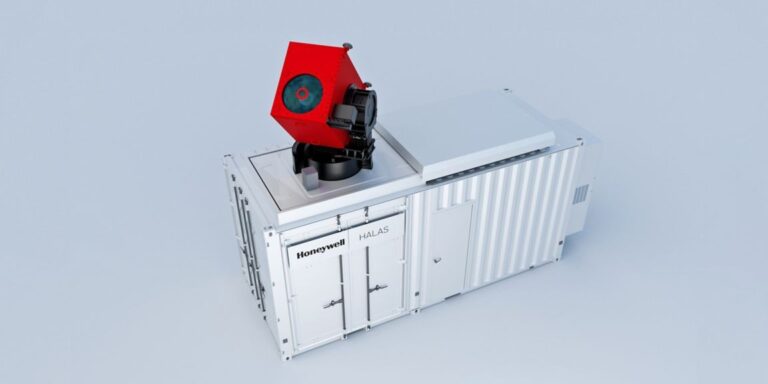
NOAA’s National Weather Service and Honeywell Aerospace Technologies have signed a two-year cooperative research and development agreement to deploy a High-Altitude Lidar Atmospheric Sensing (HALAS) ground system and to evaluate the upper-air data gathered to determine if it could aid in weather forecasting.

Honeywell’s HALAS ground system uses a rapid series of laser pulses to provide near-real-time atmospheric measurements. HALAS enables forecasters to obtain weather data up to 100,000ft above the surface of the Earth, though NOAA meteorologists intend to focus on data below 40,000ft, where aircraft fly and the atmosphere is more dynamic. HALAS will gather observations including atmospheric pressure, temperature, humidity and wind speed and direction, similar to weather balloons.

“Understanding the atmosphere above the surface is vital to predicting the evolution of weather phenomena, from local afternoon thunderstorms to expansive blizzards and hurricanes,” said Jordan Gerth, meteorologist at National Weather Service Office of Observations. “This research project could help us identify a new way to gather the observations we need, more readily.”

Matt Picchetti, vice president (VP) general manager (GM) of navigation and sensors at Honeywell Aerospace Technologies, said, “Honeywell’s High-Altitude Lidar Atmospheric Sensing (HALAS) is a remotely-operated, ground-based weather information system that provides near-real-time, high-altitude atmospheric measurements in as little as three minutes.”

Under the CRADA (co-operative research and development agreement), NOAA and Honeywell will: evaluate the utility of the HALAS ground system for NOAA’s observational needs, particularly as an operational observation in support of the National Weather Service; develop an on-site demonstration of the HALAS system for data analysis and assessment; and explore value creation, cost savings, data rights and sharing models if a long-term network of HALAS systems can meet NOAA’s mission.

The HALAS ground system for this research project will be located on the property of the National Weather Service Baltimore-Washington Weather Forecast Office in Sterling, Virginia. Technicians will design a fixed HALAS installation prototype that could be used for potential expansion and deployment of HALAS at additional forecast offices.

NOAA regularly partners with private sector companies through CRADAs to conduct research and development work that is mutually beneficial and helps to accomplish NOAA’s mission.

For more key data updates from the meteorological technology industry, click here.

Previous ArticleSkyfora transforms mobile telecom base stations into 3D weather scanners
Next Article European Research Council awards €2m to Finnish Meteorological Institute’s space weather research

Read Similar Stories

Oceans

VIDEO: Sentinel-6 satellite detects El Niño precursor in Pacific

June 4, 20262 Mins Read
Nowcasting

Colorado State University and Nvidia partner to extend severe storm prediction lead times

June 2, 20262 Mins Read
Climate Measurement

WMO warns El Niño is developing with 80% certainty, urges preparation

June 2, 20263 Mins Read
Latest News

VIDEO: Sentinel-6 satellite detects El Niño precursor in Pacific

June 4, 2026

New forecasting framework targets solar-limb flare blind spot

June 4, 2026

Colorado State University and Nvidia partner to extend severe storm prediction lead times

June 2, 2026

Receive breaking stories and features in your inbox each week, for free


Enter your email address:


Supplier Spotlights
  • Senseca
Getting in Touch
  • Contact Us / Advertise
  • Meet the Editors
  • Media Pack
  • Free Weekly E-Newsletter
Our Social Channels
  • Facebook
  • LinkedIn
© 2026 UKi Media & Events a division of UKIP Media & Events Ltd
  • Cookie Policy
  • Privacy Policy
  • Terms and Conditions
  • Notice and Takedown Policy

Type above and press Enter to search. Press Esc to cancel.