

Close Menu
Meteorological Technology International
  • News
    • A-E
      • Agriculture
      • Automated Weather Stations
      • Aviation
      • Climate Measurement
      • Data
      • Developing Countries
      • Digital Applications
      • Early Warning Systems
      • Extreme Weather
    • G-P
      • Hydrology
      • Lidar
      • Lightning Detection
      • New Appointments
      • Nowcasting
      • Numerical Weather Prediction
      • Polar Weather
    • R-S
      • Radar
      • Rainfall
      • Remote Sensing
      • Renewable Energy
      • Satellites
      • Solar
      • Space Weather
      • Supercomputers
    • T-Z
      • Training
      • Transport
      • Weather Instruments
      • Wind
      • World Meteorological Organization
      • Meteorological Technology World Expo
  • Features
  • Online Magazines
    • January 2026
    • April 2025
    • January 2025
    • September 2024
    • April 2024
    • Archive Issues
    • Subscribe Free!
  • Opinion
  • Videos
  • Supplier Spotlight
  • Expo
LinkedIn X (Twitter) Facebook
  • Sign-up for Free Weekly E-Newsletter
  • Meet the Editors
  • Contact Us
  • Media Pack
LinkedIn Facebook
Subscribe
Meteorological Technology International
  • News
      • Agriculture
      • Automated Weather Stations
      • Aviation
      • Climate Measurement
      • Data
      • Developing Countries
      • Digital Applications
      • Early Warning Systems
      • Extreme Weather
      • Hydrology
      • Lidar
      • Lightning Detection
      • New Appointments
      • Nowcasting
      • Numerical Weather Prediction
      • Polar Weather
      • Radar
      • Rainfall
      • Remote Sensing
      • Renewable Energy
      • Satellites
      • Solar
      • Space Weather
      • Supercomputers
      • Training
      • Transport
      • Weather Instruments
      • Wind
      • World Meteorological Organization
      • Meteorological Technology World Expo
  • Features
  • Online Magazines
    1. April 2026
    2. January 2026
    3. September 2025
    4. April 2025
    5. January 2025
    6. September 2024
    7. April 2024
    8. January 2024
    9. Archive Issues
    10. Subscribe Free!
    Featured
    May 5, 2026

    In this Issue – April 2026

    By Web TeamMay 5, 2026
    Recent

    In this Issue – April 2026

    May 5, 2026

    In this Issue – January 2026

    November 27, 2025

    In this Issue – September 2025

    August 11, 2025
  • Opinion
  • Videos
  • Supplier Spotlight
  • Expo
Facebook LinkedIn
Subscribe
Meteorological Technology International
Climate Measurement

Record flooding in India monsoon linked to climate change

Paul WillisBy Paul WillisOctober 23, 20192 Mins Read
Share LinkedIn Facebook Twitter Email
NASA
NASA Earth Observatory image by Joshua Stevens, using MODIS data from NASA EOSDIS/LANCE and GIBS/Worldview
Share
LinkedIn Facebook Twitter Email

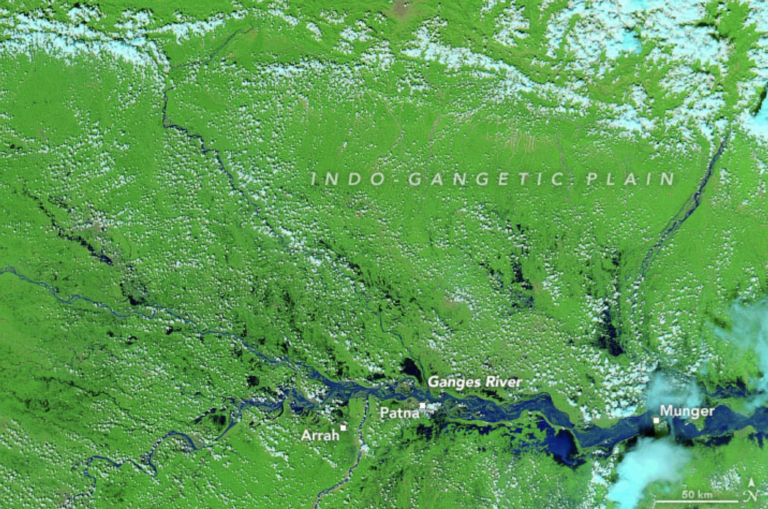
India has experienced a record monsoon season with the highest amount of rain falling in more than 25 years.

According to the India Meteorological Department, this year’s monsoon is also likely to be its longest in recorded history with the rains not expected to ease up until at least October 10. Usually the rains retreat by early September.

The prolonged monsoon rains, which were 10% above average, will be a boon for farmers planting winter-sown crops such as wheat, rice, rapeseed and chickpeas. They could also help restock reservoirs and assuage water shortages in the country.

But heavy rainfall has already damaged summer-sown crops like cotton, soybean and pulses in a country where more than half the population is employed in agriculture.

Experts are attributing the record monsoon to the impact of climate change. The most recent report from the Intergovernmental Panel on Climate Change (IPCC) noted the effect climate change will have on monsoon seasons, which are “likely to intensify while becoming less predictable”.

The report, which was released in September at the UN Climate Summit in New York, also noted the impact climate change is already having in “increasing the year-to-year variability of the monsoon strength and the associated extremes of rainfall”.

India’s monsoon season generally runs from June to September, when winds from the south-west carry moisture from the Indian Ocean, Arabian Sea and Bay of Bengal and deposit it as rain over the land. The monsoons end when the wind shifts to blow in the opposite director between October and December.

But experts say that climate change is disturbing this pattern. This year, for example, the monsoon arrived late and heavy with intense rainfall in late September leading to localized flooding in some parts of the country. The problem was exacerbated by an abnormally warm late summer in the northern hemisphere, meaning the monsoon rains lingered longer than usual.

Previous ArticleNew method to help forecast severity of aftershocks when earthquakes hit
Next Article Lifesaving storm warnings for Africa’s Lake Victoria

Read Similar Stories

Climate Measurement

Tekever secures Canadian wildfire detection contract with Phoenix Heli-Flight

June 17, 20262 Mins Read
Climate Measurement

Global warming reached 1.37°C in 2025 as heat accumulation hits record rate

June 12, 20263 Mins Read
Climate Measurement

Cambridge AI tool converts satellite archives into accessible Earth intelligence

June 10, 20262 Mins Read
Latest News

Extreme weather affected 13 million people in Africa in 2025, says WMO

June 18, 2026

Vaisala to acquire AI weather forecasting company Atmo

June 17, 2026

Tekever secures Canadian wildfire detection contract with Phoenix Heli-Flight

June 17, 2026

Receive breaking stories and features in your inbox each week, for free


Enter your email address:


Supplier Spotlights
  • EWR Radar Systems
Getting in Touch
  • Contact Us / Advertise
  • Meet the Editors
  • Media Pack
  • Free Weekly E-Newsletter
Our Social Channels
  • Facebook
  • LinkedIn
© 2026 UKi Media & Events a division of UKIP Media & Events Ltd
  • Cookie Policy
  • Privacy Policy
  • Terms and Conditions
  • Notice and Takedown Policy

Type above and press Enter to search. Press Esc to cancel.