


Close Menu
Meteorological Technology International
  • News
    • A-E
      • Agriculture
      • Automated Weather Stations
      • Aviation
      • Climate Measurement
      • Data
      • Developing Countries
      • Digital Applications
      • Early Warning Systems
      • Extreme Weather
    • G-P
      • Hydrology
      • Lidar
      • Lightning Detection
      • New Appointments
      • Nowcasting
      • Numerical Weather Prediction
      • Polar Weather
    • R-S
      • Radar
      • Rainfall
      • Remote Sensing
      • Renewable Energy
      • Satellites
      • Solar
      • Space Weather
      • Supercomputers
    • T-Z
      • Training
      • Transport
      • Weather Instruments
      • Wind
      • World Meteorological Organization
      • Meteorological Technology World Expo
  • Features
  • Online Magazines
    • January 2026
    • April 2025
    • January 2025
    • September 2024
    • April 2024
    • Archive Issues
    • Subscribe Free!
  • Opinion
  • Videos
  • Supplier Spotlight
  • Expo
LinkedIn X (Twitter) Facebook
  • Sign-up for Free Weekly E-Newsletter
  • Meet the Editors
  • Contact Us
  • Media Pack
LinkedIn Facebook
Subscribe
Meteorological Technology International
  • News
      • Agriculture
      • Automated Weather Stations
      • Aviation
      • Climate Measurement
      • Data
      • Developing Countries
      • Digital Applications
      • Early Warning Systems
      • Extreme Weather
      • Hydrology
      • Lidar
      • Lightning Detection
      • New Appointments
      • Nowcasting
      • Numerical Weather Prediction
      • Polar Weather
      • Radar
      • Rainfall
      • Remote Sensing
      • Renewable Energy
      • Satellites
      • Solar
      • Space Weather
      • Supercomputers
      • Training
      • Transport
      • Weather Instruments
      • Wind
      • World Meteorological Organization
      • Meteorological Technology World Expo
  • Features
  • Online Magazines
    1. January 2026
    2. September 2025
    3. April 2025
    4. January 2025
    5. September 2024
    6. April 2024
    7. January 2024
    8. September 2023
    9. April 2023
    10. Archive Issues
    11. Subscribe Free!
    Featured
    November 27, 2025

    In this Issue – January 2026

    By Hazel KingNovember 27, 2025
    Recent

    In this Issue – January 2026

    November 27, 2025

    In this Issue – September 2025

    August 11, 2025

    In this Issue – April 2025

    April 15, 2025
  • Opinion
  • Videos
  • Supplier Spotlight
  • Expo
Facebook LinkedIn
Subscribe
Meteorological Technology International
Climate Measurement

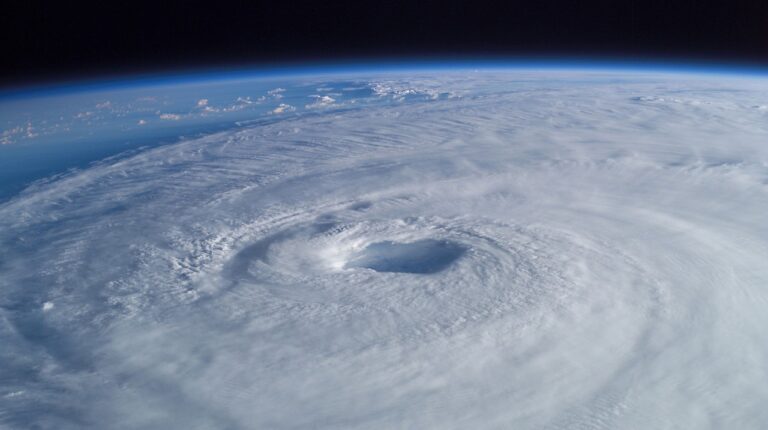
Tropical cyclones may influence global climate, finds Scripps study

Dan SymondsBy Dan SymondsJune 22, 20232 Mins Read
Share LinkedIn Facebook Twitter Email
Credit: Pixabay
Share
LinkedIn Facebook Twitter Email

Research from scientists at UC San Diego’s Scripps Institution of Oceanography has found that tropical cyclones cause ocean turbulence that extends deeper than previously thought, causing mixing that transfers heat from the surface to waters nearly 300m (1,000ft) down.

The researchers suggest that the ocean warming caused by tropical cyclones goes deep enough to persist for months or years and travels far from its point of origin, potentially altering the broader patterns of ocean circulation that partly regulate Earth’s climate.

The study draws its conclusions from direct measurements of ocean turbulence and temperature before and after tropical cyclones. During 60 days on board a research vessel in the Western Pacific Ocean near the Philippines, scientists observed that the turbulence caused by tropical cyclones persisted for at least three weeks and reverberated down to at least 300m.

Noel Gutiérrez Brizuela, lead author and a physical oceanography PhD candidate at Scripps, said, “People usually think of the background climate as what sets the factors that allow for cyclones to exist. These results complicate that picture. Climate does determine the likelihood of cyclones but cyclones also seem to play a role shaping the background climate.

“We saw large heat fluxes all the way to 270m (885ft), and we didn’t see a real end to the heat transfer. As deep as our measurements went and as long as we measured there was active heat transfer.

“Our results show that tropical cyclones are transferring enough heat, deep enough in the ocean to suggest that these storms are important players in shaping the conditions of the Pacific Ocean as we know it. The temperature structure of the tropical Pacific is a big driver of global climate. Without cyclones, the ocean would look different and so would the global climate.”

To view the complete study published in the Proceedings of the National Academy of Sciences, click here.

Previous ArticleFAAM Airborne Laboratory detects gas-phase urea in the air for the first time
Next Article How will WISER-EWSA transform nowcasting and EWS in southern Africa?

Read Similar Stories

Climate Measurement

WMO signals increasing likelihood of El Niño developing in 2026

April 24, 20263 Mins Read
Radar

Alabama partners with Climavision to expand weather radar coverage statewide

April 24, 20262 Mins Read
Agriculture

Extreme heat posing significant risks to ecosystems and agriculture, FAO-WMO report warns

April 22, 20263 Mins Read
Latest News

WMO signals increasing likelihood of El Niño developing in 2026

April 24, 2026

Alabama partners with Climavision to expand weather radar coverage statewide

April 24, 2026

Extreme heat posing significant risks to ecosystems and agriculture, FAO-WMO report warns

April 22, 2026

Receive breaking stories and features in your inbox each week, for free


Enter your email address:


Supplier Spotlights
  • Baron
Getting in Touch
  • Contact Us / Advertise
  • Meet the Editors
  • Media Pack
  • Free Weekly E-Newsletter
Our Social Channels
  • Facebook
  • LinkedIn
© 2026 UKi Media & Events a division of UKIP Media & Events Ltd
  • Cookie Policy
  • Privacy Policy
  • Terms and Conditions
  • Notice and Takedown Policy

Type above and press Enter to search. Press Esc to cancel.