


Close Menu
Meteorological Technology International
  • News
    • A-E
      • Agriculture
      • Automated Weather Stations
      • Aviation
      • Climate Measurement
      • Data
      • Developing Countries
      • Digital Applications
      • Early Warning Systems
      • Extreme Weather
    • G-P
      • Hydrology
      • Lidar
      • Lightning Detection
      • New Appointments
      • Nowcasting
      • Numerical Weather Prediction
      • Polar Weather
    • R-S
      • Radar
      • Rainfall
      • Remote Sensing
      • Renewable Energy
      • Satellites
      • Solar
      • Space Weather
      • Supercomputers
    • T-Z
      • Training
      • Transport
      • Weather Instruments
      • Wind
      • World Meteorological Organization
      • Meteorological Technology World Expo
  • Features
  • Online Magazines
    • January 2026
    • April 2025
    • January 2025
    • September 2024
    • April 2024
    • Archive Issues
    • Subscribe Free!
  • Opinion
  • Videos
  • Supplier Spotlight
  • Expo
LinkedIn X (Twitter) Facebook
  • Sign-up for Free Weekly E-Newsletter
  • Meet the Editors
  • Contact Us
  • Media Pack
LinkedIn Facebook
Subscribe
Meteorological Technology International
  • News
      • Agriculture
      • Automated Weather Stations
      • Aviation
      • Climate Measurement
      • Data
      • Developing Countries
      • Digital Applications
      • Early Warning Systems
      • Extreme Weather
      • Hydrology
      • Lidar
      • Lightning Detection
      • New Appointments
      • Nowcasting
      • Numerical Weather Prediction
      • Polar Weather
      • Radar
      • Rainfall
      • Remote Sensing
      • Renewable Energy
      • Satellites
      • Solar
      • Space Weather
      • Supercomputers
      • Training
      • Transport
      • Weather Instruments
      • Wind
      • World Meteorological Organization
      • Meteorological Technology World Expo
  • Features
  • Online Magazines
    1. April 2026
    2. January 2026
    3. September 2025
    4. April 2025
    5. January 2025
    6. September 2024
    7. April 2024
    8. January 2024
    9. Archive Issues
    10. Subscribe Free!
    Featured
    May 5, 2026

    In this Issue – April 2026

    By Web TeamMay 5, 2026
    Recent

    In this Issue – April 2026

    May 5, 2026

    In this Issue – January 2026

    November 27, 2025

    In this Issue – September 2025

    August 11, 2025
  • Opinion
  • Videos
  • Supplier Spotlight
  • Expo
Facebook LinkedIn
Subscribe
Meteorological Technology International
Data

First images released from MTG-I1’s Lightning Imager

Dan SymondsBy Dan SymondsJuly 3, 20234 Mins Read
Share LinkedIn Facebook Twitter Email
Credit ESA-EUMETSAT
Share
LinkedIn Facebook Twitter Email

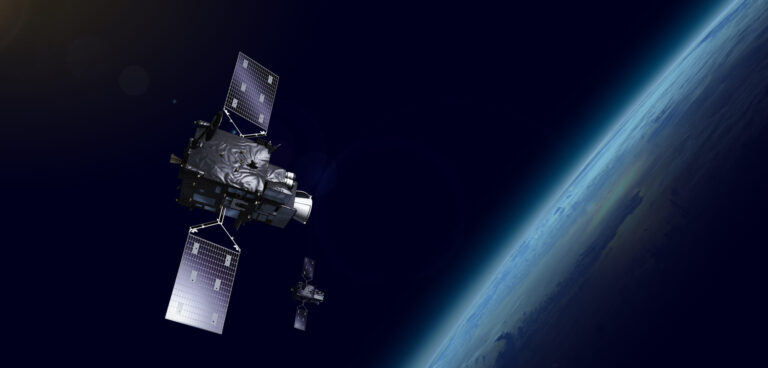
The first ever satellite instrument continuously detecting lightning over Europe and Africa has been switched on and is delivering on its promise of a breakthrough for the detection and prediction of severe storms.

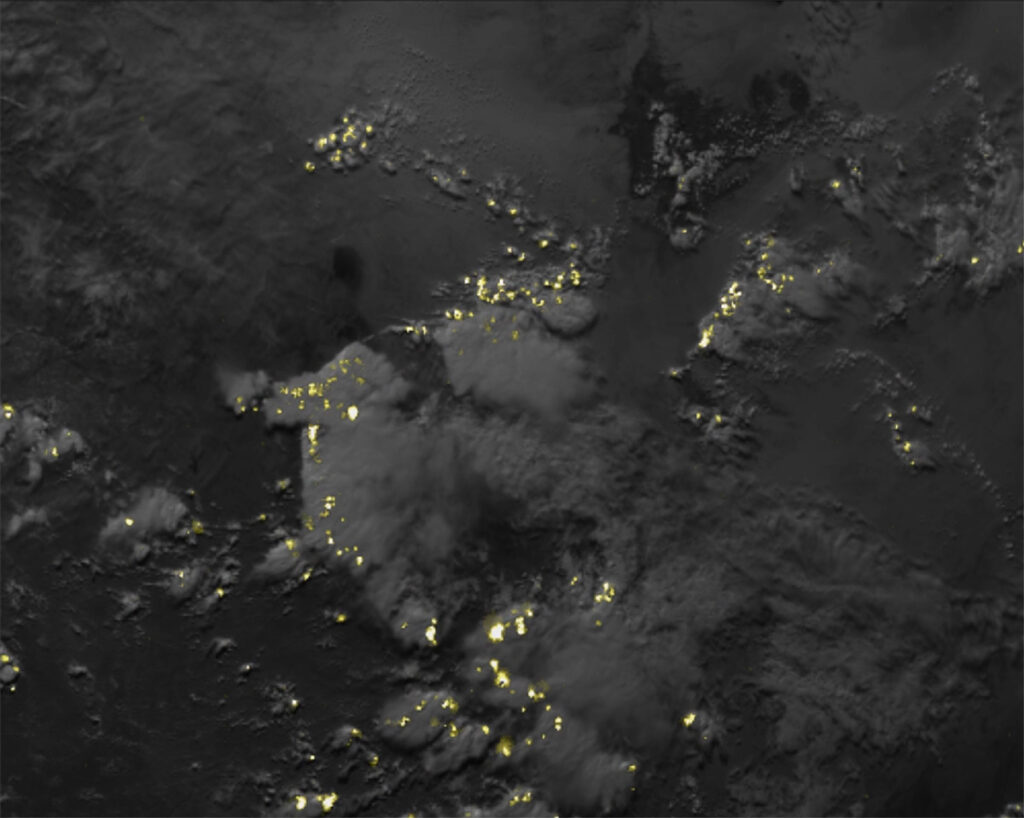
Europe’s meteorological satellite agency, EUMETSAT, and the European Space Agency (ESA), today (July 3) released animations from the Lightning Imager on Meteosat Third Generation – Imager 1 (MTG-I1), which was launched on December 13, 2022. The stunning first image from the satellite’s other main Earth observation instrument, the Flexible Combined Imager, was released in May 2023.

The Lightning Imager, built by Leonardo, continuously detects the light pulses produced by cloud-to-ground, cloud-to-cloud and intracloud lightning flashes.

The instrument has four cameras covering Europe, Africa, the Middle East and parts of South America. The cameras will continuously observe lightning activity from space and EUMETSAT will disseminate the data to weather services in its member states and beyond. Crucially, EUMETSAT will deliver the data to weather services in Africa and other regions, where lightning detection capability with ground-based observations is limited.

Each animation is a sequence of images created by collecting one minute’s worth of lightning measurements, overlaid on a single image of the Earth from the Lightning Imager.

Phil Evans, EUMETSAT director-general, said, “Severe storms are often preceded by abrupt changes in lightning activity. By observing these changes in activity, Lightning Imager data will give weather forecasters additional confidence in their forecasts of severe storms.

“When this data is used in conjunction with the high-resolution data from the Flexible Combined Imager, weather forecasters will be better able to track the development of severe storms and have a longer lead-in time to warn authorities and communities.”

Simonetta Cheli, director of Earth Observation at ESA, said, “The animations show the instrument’s ability to accurately and effectively detect lightning activity over the whole area of the cameras’ field of view, which covers 84% of the Earth disc.

“ESA and EUMETSAT, together with European industrial partners, are ensuring the benefits of highly innovative new technology are felt by communities and sectors of the economy in Europe and beyond.”

Guia Pastorini, Leonardo project engineering manager for the Lightning Imager, said, “The Lightning Imager has four cameras and each one can capture 1,000 images per second, day and night, detecting even a single lightning bolt faster than the blink of an eye.

“Thanks to specific algorithms, data is processed on board to send only useful information to Earth, supporting the development of more accurate weather forecasts, as well as contributing to the study of weather phenomena and air transport safety.

“Together with ESA and EUMETSAT, and coordinating an international industrial team, Leonardo has been working on this outstanding technology for 10 years, and today we are very proud to present the images of the first European lightning hunter, the only in the world with these unique performances.”

MTG-I1 is operated by EUMETSAT from its headquarters in Darmstadt, Germany. The satellite was procured by ESA, fulfilling the requirements established by EUMETSAT in consultation with the meteorological services in its member states. Thales Alenia Space, MTG prime contractor, built the imaging instrument, the Flexible Combined Imager, and integrated the MTG-I1 satellite, for which OHB supplied the platform. The Lightning Imager was developed by Leonardo.

The data used for these animations was acquired at a lower sensitivity setting of the instrument than will be provided to meteorological services for weather forecasting purposes. MTG-I1 is currently undergoing its commissioning phase during which the instruments are calibrated and the data validated.

The data from the Lightning Imager will become available for operational use early in 2024.
Credit ESA-EUMETSAT


Previous ArticleUK Met Office launches Climate Data Portal
Next Article WindBorne secures US$6m in seed funding to develop smart weather balloons

Read Similar Stories

Extreme Weather

Wildfires can create ‘burn scar heat islands’ that alter weather patterns, study finds

May 6, 20263 Mins Read
Features

FEATURE: Local thunderstorm detection for real-time decision support

May 6, 20266 Mins Read
Extreme Weather

Researchers investigate links between air pollution, extreme weather and climate

May 1, 20262 Mins Read
Latest News

G7 countries pledge additional funding for CREWS early warning initiative

May 7, 2026

Wildfires can create ‘burn scar heat islands’ that alter weather patterns, study finds

May 6, 2026

FEATURE: Local thunderstorm detection for real-time decision support

May 6, 2026

Receive breaking stories and features in your inbox each week, for free


Enter your email address:


Supplier Spotlights
  • MicroStep-MIS
Getting in Touch
  • Contact Us / Advertise
  • Meet the Editors
  • Media Pack
  • Free Weekly E-Newsletter
Our Social Channels
  • Facebook
  • LinkedIn
© 2026 UKi Media & Events a division of UKIP Media & Events Ltd
  • Cookie Policy
  • Privacy Policy
  • Terms and Conditions
  • Notice and Takedown Policy

Type above and press Enter to search. Press Esc to cancel.