

Close Menu
Meteorological Technology International
  • News
    • A-E
      • Agriculture
      • Artificial Intelligence
      • Automated Weather Stations
      • Aviation
      • Climate Measurement
      • Data
      • Developing Countries
      • Digital Applications
      • Early Warning Systems
      • Extreme Weather
    • G-P
      • Hydrology
      • Lidar
      • Lightning Detection
      • New Appointments
      • Nowcasting
      • Numerical Weather Prediction
      • Polar Weather
    • R-S
      • Radar
      • Rainfall
      • Remote Sensing
      • Renewable Energy
      • Satellites
      • Solar
      • Space Weather
      • Supercomputers
    • T-Z
      • Training
      • Transport
      • Weather Instruments
      • Wind
      • World Meteorological Organization
      • Meteorological Technology World Expo
  • Features
  • Online Magazines
    • September 2026
    • January 2026
    • April 2025
    • January 2025
    • September 2024
    • April 2024
    • Archive Issues
    • Subscribe Free!
  • Opinion
  • Videos
  • Supplier Spotlight
  • Expo
LinkedIn X (Twitter) Facebook
  • Sign-up for Free Weekly E-Newsletter
  • Meet the Editors
  • Contact Us
  • Media Pack
LinkedIn Facebook
Subscribe
Meteorological Technology International
  • News
      • Agriculture
      • Artificial Intelligence
      • Automated Weather Stations
      • Aviation
      • Climate Measurement
      • Data
      • Developing Countries
      • Digital Applications
      • Early Warning Systems
      • Extreme Weather
      • Hydrology
      • Lidar
      • Lightning Detection
      • New Appointments
      • Nowcasting
      • Numerical Weather Prediction
      • Polar Weather
      • Radar
      • Rainfall
      • Remote Sensing
      • Renewable Energy
      • Satellites
      • Solar
      • Space Weather
      • Supercomputers
      • Training
      • Transport
      • Weather Instruments
      • Wind
      • World Meteorological Organization
      • Meteorological Technology World Expo
  • Features
  • Online Magazines
    1. September 2026
    2. April 2026
    3. January 2026
    4. September 2025
    5. April 2025
    6. January 2025
    7. September 2024
    8. April 2024
    9. January 2024
    10. Archive Issues
    11. Subscribe Free!
    Featured
    August 4, 2026

    In this Issue – September 2026

    By Web TeamAugust 4, 2026
    Recent

    In this Issue – September 2026

    August 4, 2026

    In this Issue – April 2026

    May 5, 2026

    In this Issue – January 2026

    November 27, 2025
  • Opinion
  • Videos
  • Supplier Spotlight
  • Expo
Facebook LinkedIn
Subscribe
Meteorological Technology International
Early Warning Systems

Fiji debuts coastal flooding forecasting system

Paul WillisBy Paul WillisDecember 3, 20192 Mins Read
Share LinkedIn Facebook Twitter Email
Share
LinkedIn Facebook Twitter Email

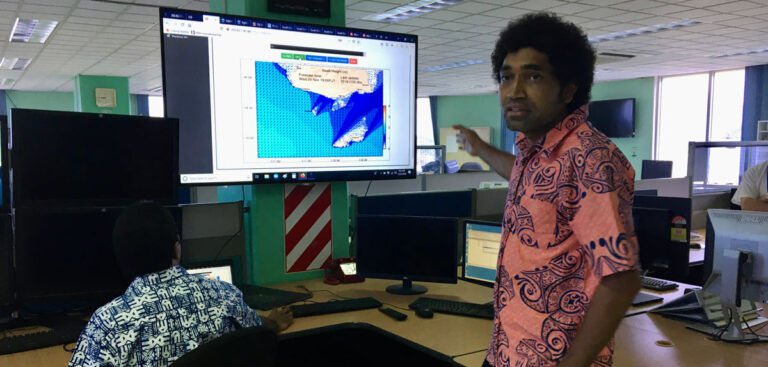
A new system for early warning of coastal flooding has gone into operation in the Fiji islands.

The new platform will help save lives and protect property in low-lying, populated coastal areas among the 330 islands that make up the South Pacific nation.

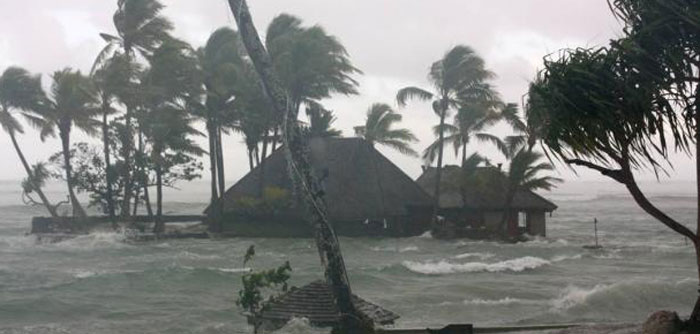
Fiji is particularly vulnerable to flooding, with the risk from tropical cyclones and dangerous storm surges exacerbated by shallow coastal shelves in the northern portion of the country. Meanwhile Fiji’s southern seaboard is vulnerable to flooding from swell caused by storms formed in the Southern Ocean near Australia and New Zealand.

This vulnerability was made clear in 2016 with the devastation caused by Cyclone Winston, a category 5 storm that killed 44 people, most from drowning, and caused US$1.4 billion in damages. Experts say Fiji’s flood risk is likely to be made worse by the effects of climate change and the accompanying sea level rises.

Fiji’s new platform was developed in response to Cyclone Evan, a category 4 storm that hit Fiji in 2012, causing flooding and estimated losses of more than US$100 million.

In the aftermath of Evan, the Fiji Meteorological Service (FMS) reached out to the Coastal Inundation Forecasting Demonstration Project (CIFDP), a WMO initiative that offers assistance to countries developing coastal early warning forecasting systems.

The Fiji CIFDP, which was funded by Korea and developed in collaboration with a team of international meteorological experts, has just completed a six-year demonstration phase.

According to the FMS the new system will greatly enhance its ability to offer science-based warnings of coastal inundation along Fiji’s Coral Coast and flood warnings on inland waterways such as the Nadi River.

FMS director Misaeli Funaki said there were also plans to expand the storm surge forecasting system to other Pacific island nations “through WMO’s Regional Specialized Meteorological Centre Nadi.”
Previous ArticleNew high-tech buoy can forecast earthquakes and tsunamis
Next Article Greenhouse gas levels reach new high, according to WMO

Read Similar Stories

Radar

Bureau of Meteorology’s radar technology restores flood monitoring gauge in Cairns

August 18, 20262 Mins Read
Climate Measurement

NOAA maintains below-normal Atlantic hurricane season prediction

August 14, 20263 Mins Read
Climate Measurement

BAMS report: 2025 set records for greenhouse gases, glacier loss and soil dryness

August 12, 20263 Mins Read
Latest News

WMO forecasts very strong El Niño, with severe weather risks increasing into 2027

September 3, 2026

One month to go until Meteorological Technology World Expo returns to Amsterdam

September 3, 2026

EXCLUSIVE INTERVIEW: Maarten van Aalst, director-general, KNMI

September 2, 2026

Receive breaking stories and features in your inbox each week, for free


Enter your email address:


Supplier Spotlights
  • Baron
Getting in Touch
  • Contact Us / Advertise
  • Meet the Editors
  • Media Pack
  • Free Weekly E-Newsletter
Our Social Channels
  • Facebook
  • LinkedIn
© 2026 UKi Media & Events a division of UKIP Media & Events Ltd
  • Cookie Policy
  • Privacy Policy
  • Terms and Conditions
  • Notice and Takedown Policy

Type above and press Enter to search. Press Esc to cancel.