

Close Menu
Meteorological Technology International
  • News
    • A-E
      • Agriculture
      • Automated Weather Stations
      • Aviation
      • Climate Measurement
      • Data
      • Developing Countries
      • Digital Applications
      • Early Warning Systems
      • Extreme Weather
    • G-P
      • Hydrology
      • Lidar
      • Lightning Detection
      • New Appointments
      • Nowcasting
      • Numerical Weather Prediction
      • Polar Weather
    • R-S
      • Radar
      • Rainfall
      • Remote Sensing
      • Renewable Energy
      • Satellites
      • Solar
      • Space Weather
      • Supercomputers
    • T-Z
      • Training
      • Transport
      • Weather Instruments
      • Wind
      • World Meteorological Organization
      • Meteorological Technology World Expo
  • Features
  • Online Magazines
    • January 2026
    • April 2025
    • January 2025
    • September 2024
    • April 2024
    • Archive Issues
    • Subscribe Free!
  • Opinion
  • Videos
  • Supplier Spotlight
  • Expo
LinkedIn X (Twitter) Facebook
  • Sign-up for Free Weekly E-Newsletter
  • Meet the Editors
  • Contact Us
  • Media Pack
LinkedIn Facebook
Subscribe
Meteorological Technology International
  • News
      • Agriculture
      • Automated Weather Stations
      • Aviation
      • Climate Measurement
      • Data
      • Developing Countries
      • Digital Applications
      • Early Warning Systems
      • Extreme Weather
      • Hydrology
      • Lidar
      • Lightning Detection
      • New Appointments
      • Nowcasting
      • Numerical Weather Prediction
      • Polar Weather
      • Radar
      • Rainfall
      • Remote Sensing
      • Renewable Energy
      • Satellites
      • Solar
      • Space Weather
      • Supercomputers
      • Training
      • Transport
      • Weather Instruments
      • Wind
      • World Meteorological Organization
      • Meteorological Technology World Expo
  • Features
  • Online Magazines
    1. April 2026
    2. January 2026
    3. September 2025
    4. April 2025
    5. January 2025
    6. September 2024
    7. April 2024
    8. January 2024
    9. Archive Issues
    10. Subscribe Free!
    Featured
    May 5, 2026

    In this Issue – April 2026

    By Web TeamMay 5, 2026
    Recent

    In this Issue – April 2026

    May 5, 2026

    In this Issue – January 2026

    November 27, 2025

    In this Issue – September 2025

    August 11, 2025
  • Opinion
  • Videos
  • Supplier Spotlight
  • Expo
Facebook LinkedIn
Subscribe
Meteorological Technology International
Extreme Weather

New study reveals that powerful storms can generate earthquake-like seismic activity

Paul WillisBy Paul WillisOctober 23, 20192 Mins Read
Share LinkedIn Facebook Twitter Email
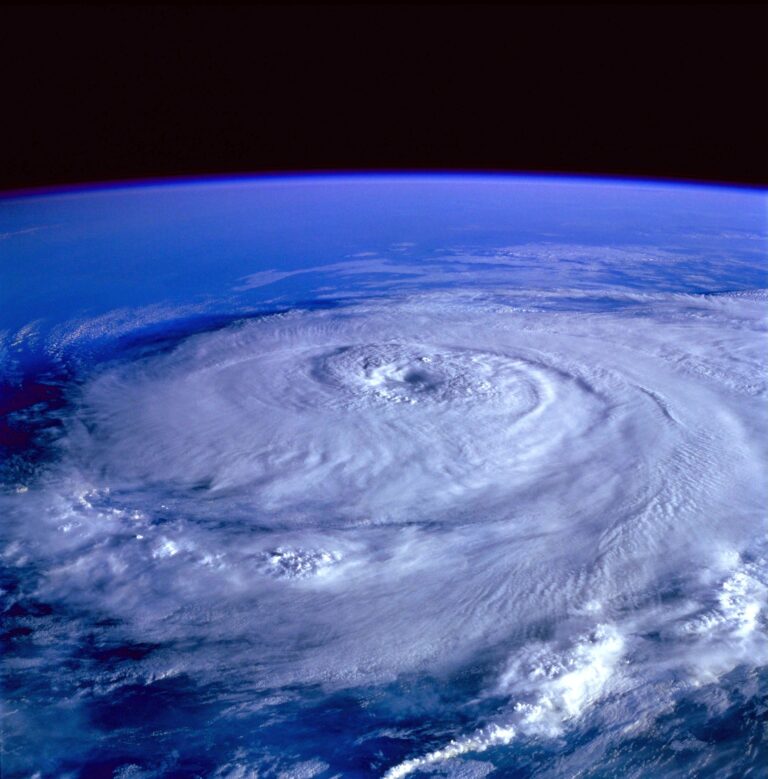
Hurricane
Share
LinkedIn Facebook Twitter Email

Researchers have discovered that hurricanes and major storms can trigger seismic events as strong as a 3.5 magnitude earthquake. The seismic events are the result of the transfer of energy from the storm to ocean waves and from the waves to the surrounding land.

Wenyuan Fan, the researcher who uncovered this new geophysical phenomenon, is calling them “stormquakes”.

Fan, an assistant professor of Earth, Ocean and Atmospheric Science at Florida State University, discovered the phenomenon after he and his colleagues analyzed more than a decade of seismic and oceanographic records for the North American seaboard.

They found a correlation between strong storms and intense seismic activity near the edge of continental shelves or ocean banks, finding evidence of more than 10,000 stormquakes between 2006 and 2019.

Among the tropical cyclones that triggered stormquakes were hurricane Ike in 2008, which caused seismic activity in the Gulf of Mexico, and hurricane Irene in 2011, which led to stormquakes off the Florida coast.

However they also found that many major cyclones, such as 2012’s hurricane Sandy, had no stormquakes associated with them.

According to Fan, this suggests that the formation of stormquakes is strongly influenced by oceanographic features and seafloor topography, noting that the researchers uncovered certain stormquake hotspots.

“We have lots of unknowns,” Fan told Science Daily. “We weren’t even aware of the existence of the natural phenomenon. It really highlights the richness of the seismic wave field and suggests we are reaching a new level of understanding of seismic waves.”

Fan’s research is published in the journal Geophysical Research Letters.

Previous ArticleMeteorologist gets US award for work in forecasting hurricane storm surges
Next Article New method to help forecast severity of aftershocks when earthquakes hit

Read Similar Stories

Nowcasting

Colorado State University and Nvidia partner to extend severe storm prediction lead times

June 2, 20262 Mins Read
Climate Measurement

WMO warns El Niño is developing with 80% certainty, urges preparation

June 2, 20263 Mins Read
Developing Countries

Tropical cyclones threaten energy security in Bangladesh, study finds

May 29, 20262 Mins Read
Latest News

VIDEO: Sentinel-6 satellite detects El Niño precursor in Pacific

June 4, 2026

New forecasting framework targets solar-limb flare blind spot

June 4, 2026

Colorado State University and Nvidia partner to extend severe storm prediction lead times

June 2, 2026

Receive breaking stories and features in your inbox each week, for free


Enter your email address:


Supplier Spotlights
  • Meteomatics AG
Getting in Touch
  • Contact Us / Advertise
  • Meet the Editors
  • Media Pack
  • Free Weekly E-Newsletter
Our Social Channels
  • Facebook
  • LinkedIn
© 2026 UKi Media & Events a division of UKIP Media & Events Ltd
  • Cookie Policy
  • Privacy Policy
  • Terms and Conditions
  • Notice and Takedown Policy

Type above and press Enter to search. Press Esc to cancel.