


Close Menu
Meteorological Technology International
  • News
    • A-E
      • Agriculture
      • Automated Weather Stations
      • Aviation
      • Climate Measurement
      • Data
      • Developing Countries
      • Digital Applications
      • Early Warning Systems
      • Extreme Weather
    • G-P
      • Hydrology
      • Lidar
      • Lightning Detection
      • New Appointments
      • Nowcasting
      • Numerical Weather Prediction
      • Polar Weather
    • R-S
      • Radar
      • Rainfall
      • Remote Sensing
      • Renewable Energy
      • Satellites
      • Solar
      • Space Weather
      • Supercomputers
    • T-Z
      • Training
      • Transport
      • Weather Instruments
      • Wind
      • World Meteorological Organization
      • Meteorological Technology World Expo
  • Features
  • Online Magazines
    • January 2026
    • April 2025
    • January 2025
    • September 2024
    • April 2024
    • Archive Issues
    • Subscribe Free!
  • Opinion
  • Videos
  • Supplier Spotlight
  • Expo
LinkedIn X (Twitter) Facebook
  • Sign-up for Free Weekly E-Newsletter
  • Meet the Editors
  • Contact Us
  • Media Pack
LinkedIn Facebook
Subscribe
Meteorological Technology International
  • News
      • Agriculture
      • Automated Weather Stations
      • Aviation
      • Climate Measurement
      • Data
      • Developing Countries
      • Digital Applications
      • Early Warning Systems
      • Extreme Weather
      • Hydrology
      • Lidar
      • Lightning Detection
      • New Appointments
      • Nowcasting
      • Numerical Weather Prediction
      • Polar Weather
      • Radar
      • Rainfall
      • Remote Sensing
      • Renewable Energy
      • Satellites
      • Solar
      • Space Weather
      • Supercomputers
      • Training
      • Transport
      • Weather Instruments
      • Wind
      • World Meteorological Organization
      • Meteorological Technology World Expo
  • Features
  • Online Magazines
    1. April 2026
    2. January 2026
    3. September 2025
    4. April 2025
    5. January 2025
    6. September 2024
    7. April 2024
    8. January 2024
    9. Archive Issues
    10. Subscribe Free!
    Featured
    May 5, 2026

    In this Issue – April 2026

    By Web TeamMay 5, 2026
    Recent

    In this Issue – April 2026

    May 5, 2026

    In this Issue – January 2026

    November 27, 2025

    In this Issue – September 2025

    August 11, 2025
  • Opinion
  • Videos
  • Supplier Spotlight
  • Expo
Facebook LinkedIn
Subscribe
Meteorological Technology International
Hydrology

Strategy approved to improve sustainability of global Flash Flood Guidance System

Dan SymondsBy Dan SymondsOctober 18, 20212 Mins Read
Share LinkedIn Facebook Twitter Email
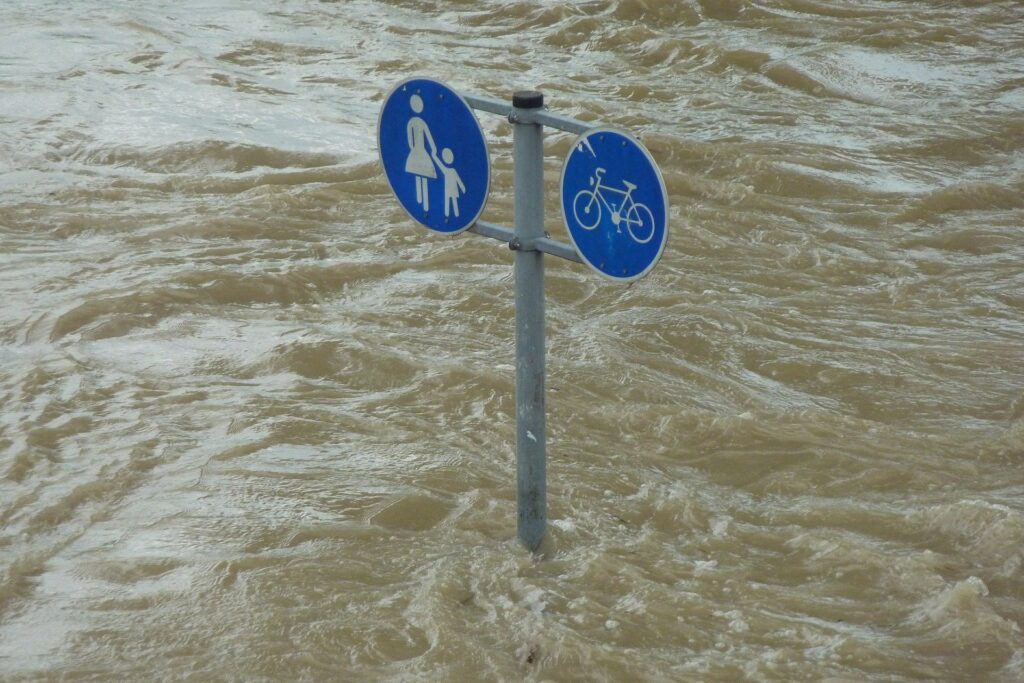
Credit: Pixabay
Share
LinkedIn Facebook Twitter Email

An extraordinary session of the World Meteorological Congress has approved a new sustainability strategy for the Hydrologic Research Center’s (HRC) Flash Flood Guidance System with Global Coverage (FFGS/WGC).

The new sustainability strategy sets out a vision and approach for the future development and implementation of the FFGS to save lives and livelihoods. It was approved by the Extraordinary World Meteorological Congress after being endorsed by the Hydrological Assembly.

The new strategy identifies four key factors and activities:

  1. Developing an inclusive and broadened governance model
  2. Increasing and strengthening training efforts
  3. Increasing the visibility of the FFGS
  4. Developing additional financial and human resource support

Flash floods are among the world’s deadliest natural disasters, with more than 5,000 lives lost annually and huge social, economic and environmental impacts. Accounting for approximately 85% of flooding cases, flash floods also have a higher mortality rate than riverine and coastal floods. Flash floods differ from river floods in their short timescales and occurrence on small spatial scales, which makes flash flood forecasting a different challenge from large-river flood forecasting.

Since 2007, the FFGS has been implemented through various regional and national projects in more than 60 countries, covering 40% of the world’s population and enhancing early warning capabilities at the national and regional levels.

After more than a decade of development and implementation of the FFGS, an external review was conducted in 2018. It concluded that the implementation of the FFGS had allowed many countries to issue flash flood warnings for the first time, thus helping to reduce loss of life. The review also identified certain operational and maintenance challenges that countries face.

Dr Yuri Simonov, chair of the Standing Committee on Hydrology, said, “The strategy brings us new aspects and visions to ensure the sustainability of the FFGS for the benefit of current and future generations as we keep facing the increasing frequency and severity of flash floods all over the world.”

The approved strategy is the product of joint efforts of FFGS member countries, the World Meteorological Organization’s (WMO) Standing Committee on Hydrological Services (SC-HYD) and FFGS partners, namely the WMO, the US Agency for International Development/Bureau for Humanitarian Assistance (USAID/BHA), the National Weather Service of the US National Oceanic and Atmospheric Administration (NOAA/NWS) and the HRC.

Previous ArticleNobel Prize for Physics awarded to climate scientists
Next Article UAE advances weather forecasting with Hewlett Packard supercomputer

Read Similar Stories

Climate Measurement

Sonardyne provides navigation support to BAS GIANT climate mission studying Greenland’s glaciers

July 16, 20263 Mins Read
Climate Measurement

WMO reports record dust storms in China and USA-Mexico border in 2025

July 13, 20263 Mins Read
Climate Measurement

Highest June sea surface temperatures recorded as El Niño develops, Copernicus confirms

July 1, 20262 Mins Read
Latest News

Machine learning opens new possibilities for global atmospheric reanalysis

July 22, 2026

North Sea marine heatwave intensified impacts of Storm Babet by 9-20%

July 21, 2026

FEATURE: UAH study tracks post-wildfire weather shifts

July 21, 2026

Receive breaking stories and features in your inbox each week, for free


Enter your email address:


Supplier Spotlights
  • Reuniwatt
Getting in Touch
  • Contact Us / Advertise
  • Meet the Editors
  • Media Pack
  • Free Weekly E-Newsletter
Our Social Channels
  • Facebook
  • LinkedIn
© 2026 UKi Media & Events a division of UKIP Media & Events Ltd
  • Cookie Policy
  • Privacy Policy
  • Terms and Conditions
  • Notice and Takedown Policy

Type above and press Enter to search. Press Esc to cancel.