


Close Menu
Meteorological Technology International
  • News
    • A-E
      • Agriculture
      • Automated Weather Stations
      • Aviation
      • Climate Measurement
      • Data
      • Developing Countries
      • Digital Applications
      • Early Warning Systems
      • Extreme Weather
    • G-P
      • Hydrology
      • Lidar
      • Lightning Detection
      • New Appointments
      • Nowcasting
      • Numerical Weather Prediction
      • Polar Weather
    • R-S
      • Radar
      • Rainfall
      • Remote Sensing
      • Renewable Energy
      • Satellites
      • Solar
      • Space Weather
      • Supercomputers
    • T-Z
      • Training
      • Transport
      • Weather Instruments
      • Wind
      • World Meteorological Organization
      • Meteorological Technology World Expo
  • Features
  • Online Magazines
    • January 2026
    • April 2025
    • January 2025
    • September 2024
    • April 2024
    • Archive Issues
    • Subscribe Free!
  • Opinion
  • Videos
  • Supplier Spotlight
  • Expo
LinkedIn X (Twitter) Facebook
  • Sign-up for Free Weekly E-Newsletter
  • Meet the Editors
  • Contact Us
  • Media Pack
LinkedIn Facebook
Subscribe
Meteorological Technology International
  • News
      • Agriculture
      • Automated Weather Stations
      • Aviation
      • Climate Measurement
      • Data
      • Developing Countries
      • Digital Applications
      • Early Warning Systems
      • Extreme Weather
      • Hydrology
      • Lidar
      • Lightning Detection
      • New Appointments
      • Nowcasting
      • Numerical Weather Prediction
      • Polar Weather
      • Radar
      • Rainfall
      • Remote Sensing
      • Renewable Energy
      • Satellites
      • Solar
      • Space Weather
      • Supercomputers
      • Training
      • Transport
      • Weather Instruments
      • Wind
      • World Meteorological Organization
      • Meteorological Technology World Expo
  • Features
  • Online Magazines
    1. January 2026
    2. September 2025
    3. April 2025
    4. January 2025
    5. September 2024
    6. April 2024
    7. January 2024
    8. September 2023
    9. April 2023
    10. Archive Issues
    11. Subscribe Free!
    Featured
    November 27, 2025

    In this Issue – January 2026

    By Hazel KingNovember 27, 2025
    Recent

    In this Issue – January 2026

    November 27, 2025

    In this Issue – September 2025

    August 11, 2025

    In this Issue – April 2025

    April 15, 2025
  • Opinion
  • Videos
  • Supplier Spotlight
  • Expo
Facebook LinkedIn
Subscribe
Meteorological Technology International
Nowcasting

NOAA upgrades space weather model used by electric power industry

Dan SymondsBy Dan SymondsJune 27, 20233 Mins Read
Share LinkedIn Facebook Twitter Email
Photo credit: Pixabay
Share
LinkedIn Facebook Twitter Email

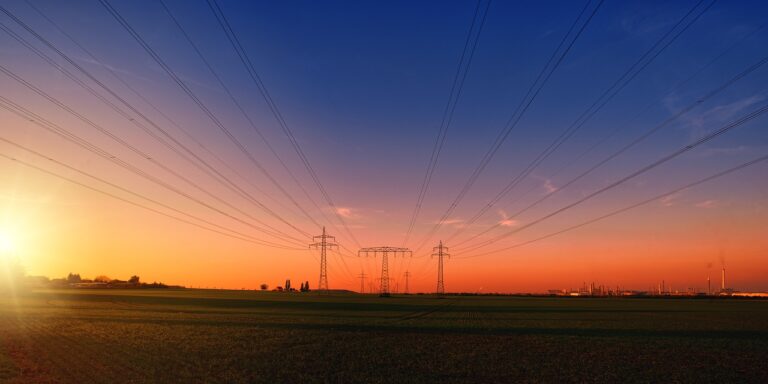
The US National Oceanic and Atmospheric Administration (NOAA) has upgraded the model it uses to create nowcasts for electric power operators on the estimated impact of geomagnetic fields generated by severe space weather storms.

Improvements in the model, now called the US-Canada Geoelectric Field Model, include more accurate outputs of the geoelectric field at the Earth’s surface and expanded coverage to Canada, which increases situational awareness for the operation of the 37 major power transmission lines that connect the two countries. It replaces the Geoelectric Field Model, launched in 2019, which only covered the US.

Jointly developed by NOAA, the US Geological Survey (USGS) and the Natural Resources Canada/Canadian Hazards Information Service (NRCan/CHIS), this is the primary model that can be used by electric power managers for regional assessment of space weather hazards over the US-Canada operating domain. The upgraded model delivers graphical maps of the US and Canada and gridded data files, updated every minute, that indicate the strength and direction of the electric fields induced by the geomagnetic storm.

The geoelectric field strength for a given location is determined by the strength of the space weather disturbance and the properties of the local earth conductivity. Areas with relatively higher earth resistivity typically see higher geoelectric fields at the surface and have a higher level of risk for impacts to the electrical power grid.

Once the geoelectric field is known, the level of geomagnetically induced currents in the power grid can be calculated, and the potential impact on the power grid can be assessed. When geoelectric currents are induced in man-made conductors such as power transmitters and pathways like transmission lines, unexpected and sometimes problematic effects can occur, such as voltage swings, unexpected loading due to transformers that are being affected, risk of voltage collapse in the more extreme cases, risks of false tripping of safety switches, and risk of heating in transformers that exceeds normal operating limits.

“Working closely with power grid operators, our federal partner, USGS, and the Canadian Hazards Information Service, we built a new level of resilience to the impacts of space weather on Earth,” said Clinton Wallace, director of the NOAA’s Space Weather Prediction Center. “This model upgrade comes at the right time to provide the electric power industry better data to act on as activity on the sun increases the closer we get to solar maximum.”

Kristen Lewis, USGS manager of geomagnetic operations, said, “The notable improvements of the updated geoelectric field model in the US have been made possible through enhanced ground-based geomagnetic monitoring at USGS and a growing database of critical data. The USGS values the intra-governmental and international scientific collaboration with NOAA and NRCan, and the updated model is the result of this successful partnership.”

For more on nowcasting, click here.

Previous ArticleCurrent observatory data illustrates record rise in North Atlantic sea surface temperatures
Next Article US invests nearly $600m in building coastal resilience to extreme weather

Read Similar Stories

Solar

India partners on hybrid solar forecasting project for large solar parks

February 5, 20262 Mins Read
Digital Applications

Nvidia launches open Earth-2 model family for AI weather forecasting

January 26, 20263 Mins Read
Data

China develops deep diffusion model to extend severe convective weather nowcasting to four hours

January 6, 20263 Mins Read
Latest News

Atmospheric G2 secures Japan weather forecasting license

April 21, 2026

China completes Antarctic meteorological research mission with Xuelong icebreaker

April 21, 2026

EWR Radar Systems wins US Air Force contract for portable Doppler radar support

April 20, 2026

Receive breaking stories and features in your inbox each week, for free


Enter your email address:


Supplier Spotlights
  • LCJ Capteurs
Getting in Touch
  • Contact Us / Advertise
  • Meet the Editors
  • Media Pack
  • Free Weekly E-Newsletter
Our Social Channels
  • Facebook
  • LinkedIn
© 2026 UKi Media & Events a division of UKIP Media & Events Ltd
  • Cookie Policy
  • Privacy Policy
  • Terms and Conditions
  • Notice and Takedown Policy

Type above and press Enter to search. Press Esc to cancel.