


Close Menu
Meteorological Technology International
  • News
    • A-E
      • Agriculture
      • Automated Weather Stations
      • Aviation
      • Climate Measurement
      • Data
      • Developing Countries
      • Digital Applications
      • Early Warning Systems
      • Extreme Weather
    • G-P
      • Hydrology
      • Lidar
      • Lightning Detection
      • New Appointments
      • Nowcasting
      • Numerical Weather Prediction
      • Polar Weather
    • R-S
      • Radar
      • Rainfall
      • Remote Sensing
      • Renewable Energy
      • Satellites
      • Solar
      • Space Weather
      • Supercomputers
    • T-Z
      • Training
      • Transport
      • Weather Instruments
      • Wind
      • World Meteorological Organization
      • Meteorological Technology World Expo
  • Features
  • Online Magazines
    • January 2026
    • April 2025
    • January 2025
    • September 2024
    • April 2024
    • Archive Issues
    • Subscribe Free!
  • Opinion
  • Videos
  • Supplier Spotlight
  • Expo
LinkedIn X (Twitter) Facebook
  • Sign-up for Free Weekly E-Newsletter
  • Meet the Editors
  • Contact Us
  • Media Pack
LinkedIn Facebook
Subscribe
Meteorological Technology International
  • News
      • Agriculture
      • Automated Weather Stations
      • Aviation
      • Climate Measurement
      • Data
      • Developing Countries
      • Digital Applications
      • Early Warning Systems
      • Extreme Weather
      • Hydrology
      • Lidar
      • Lightning Detection
      • New Appointments
      • Nowcasting
      • Numerical Weather Prediction
      • Polar Weather
      • Radar
      • Rainfall
      • Remote Sensing
      • Renewable Energy
      • Satellites
      • Solar
      • Space Weather
      • Supercomputers
      • Training
      • Transport
      • Weather Instruments
      • Wind
      • World Meteorological Organization
      • Meteorological Technology World Expo
  • Features
  • Online Magazines
    1. April 2026
    2. January 2026
    3. September 2025
    4. April 2025
    5. January 2025
    6. September 2024
    7. April 2024
    8. January 2024
    9. Archive Issues
    10. Subscribe Free!
    Featured
    May 5, 2026

    In this Issue – April 2026

    By Web TeamMay 5, 2026
    Recent

    In this Issue – April 2026

    May 5, 2026

    In this Issue – January 2026

    November 27, 2025

    In this Issue – September 2025

    August 11, 2025
  • Opinion
  • Videos
  • Supplier Spotlight
  • Expo
Facebook LinkedIn
Subscribe
Meteorological Technology International
Developing Countries

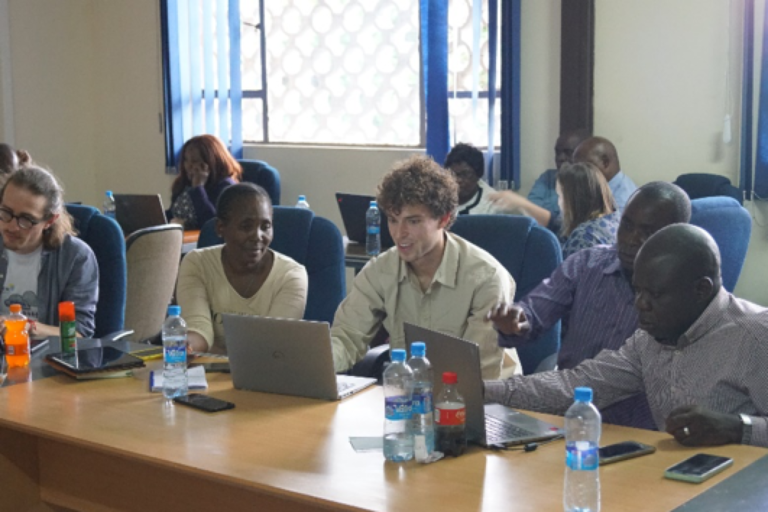
WMO completes Southern Africa nowcasting and weather forecasting testbed

Elizabeth BakerBy Elizabeth BakerApril 15, 20242 Mins Read
Share LinkedIn Facebook Twitter Email
WMO completes Southern Africa nowcasting and weather forecasting testbed
Credit: WMO WISER-EWSA project
Share
LinkedIn Facebook Twitter Email

The Weather and Climate Information Services – Early Warnings for Southern Africa (WISER-EWSA) project has completed a testbed event to improve nowcasting and weather forecasting practices to reduce disaster risk in vulnerable communities.

The event was the first of two testbeds to be established under the project, which is funded by the UK’s Foreign, Commonwealth and Development Office (FCDO) and led by the University of Leeds. The testbed, said to be the first of its kind in Southern Africa, aimed to bolster the capacity of the region’s National Meteorological and Hydrological Services (NMHSs) to provide satellite-based nowcasting.

The WISER-EWSA project team includes the WMO World Weather Research Programme (WWRP), NMHSs, national disaster risk management authorities, non-governmental organizations and private partners. They simulated co-design and co-production in real-time nowcasting and short-range forecasting for the testbed. They sent nowcast and forecast information concerning threatening weather to a sample user group and co-evaluated their effectiveness with communicating and coordinating local communities. The testbed collaborators sought to better understand the needs of the urban populations and to tailor their messages accordingly, while ensuring effective dissemination of warnings through a WhatsApp group.

An engagement day with the NMHSs gathered representatives from 20 media organizations and many users – as well as 50 active online participants. The community-observer approach used for the testbed was intended to ensure user engagement and raise awareness as well as empower the community observers to interpret weather information. The exchange between researchers, the forecasters and users demonstrated the positive returns and benefits of the co-production process. One participant observed, “I have learned how to understand different types of weather forecast, as well as the meaning of different terms used on weather focus.” And another said, “I have learned how I can help to save others from the disasters that we experience during the rainy season.”

Edson Nkonde, director of the Zambian Meteorological Department, added that his office would be looking at ways to maintain the outcomes from the testbed, such as user engagement.

In related news, EUMETSAT recently hosted a nowcasting tool workshop for 30 international specialists at its headquarters in Darmstadt in Germany. Click here to read the full story.

Previous ArticleMountain Hydrology Group receives US$1m to develop new snowpack data for western USA water supply management
Next Article Two thirds of US adults affected by extreme weather in past 12 months, Annenberg Public Policy Center finds

Read Similar Stories

Extreme Weather

North Sea marine heatwave intensified impacts of Storm Babet by 9-20%

July 21, 20263 Mins Read
Extreme Weather

More than 2,700 estimated excess deaths in England and Wales during May and June heatwaves

July 14, 20263 Mins Read
Climate Measurement

WMO reports record dust storms in China and USA-Mexico border in 2025

July 13, 20263 Mins Read
Latest News

Machine learning opens new possibilities for global atmospheric reanalysis

July 22, 2026

North Sea marine heatwave intensified impacts of Storm Babet by 9-20%

July 21, 2026

FEATURE: UAH study tracks post-wildfire weather shifts

July 21, 2026

Receive breaking stories and features in your inbox each week, for free


Enter your email address:


Supplier Spotlights
  • ZOGLAB Microsystem Co., Ltd
Getting in Touch
  • Contact Us / Advertise
  • Meet the Editors
  • Media Pack
  • Free Weekly E-Newsletter
Our Social Channels
  • Facebook
  • LinkedIn
© 2026 UKi Media & Events a division of UKIP Media & Events Ltd
  • Cookie Policy
  • Privacy Policy
  • Terms and Conditions
  • Notice and Takedown Policy

Type above and press Enter to search. Press Esc to cancel.