


Close Menu
Meteorological Technology International
  • News
    • A-E
      • Agriculture
      • Automated Weather Stations
      • Aviation
      • Climate Measurement
      • Data
      • Developing Countries
      • Digital Applications
      • Early Warning Systems
      • Extreme Weather
    • G-P
      • Hydrology
      • Lidar
      • Lightning Detection
      • New Appointments
      • Nowcasting
      • Numerical Weather Prediction
      • Polar Weather
    • R-S
      • Radar
      • Rainfall
      • Remote Sensing
      • Renewable Energy
      • Satellites
      • Solar
      • Space Weather
      • Supercomputers
    • T-Z
      • Training
      • Transport
      • Weather Instruments
      • Wind
      • World Meteorological Organization
      • Meteorological Technology World Expo
  • Features
  • Online Magazines
    • January 2026
    • April 2025
    • January 2025
    • September 2024
    • April 2024
    • Archive Issues
    • Subscribe Free!
  • Opinion
  • Videos
  • Supplier Spotlight
  • Expo
LinkedIn X (Twitter) Facebook
  • Sign-up for Free Weekly E-Newsletter
  • Meet the Editors
  • Contact Us
  • Media Pack
LinkedIn Facebook
Subscribe
Meteorological Technology International
  • News
      • Agriculture
      • Automated Weather Stations
      • Aviation
      • Climate Measurement
      • Data
      • Developing Countries
      • Digital Applications
      • Early Warning Systems
      • Extreme Weather
      • Hydrology
      • Lidar
      • Lightning Detection
      • New Appointments
      • Nowcasting
      • Numerical Weather Prediction
      • Polar Weather
      • Radar
      • Rainfall
      • Remote Sensing
      • Renewable Energy
      • Satellites
      • Solar
      • Space Weather
      • Supercomputers
      • Training
      • Transport
      • Weather Instruments
      • Wind
      • World Meteorological Organization
      • Meteorological Technology World Expo
  • Features
  • Online Magazines
    1. January 2026
    2. September 2025
    3. April 2025
    4. January 2025
    5. September 2024
    6. April 2024
    7. January 2024
    8. September 2023
    9. April 2023
    10. Archive Issues
    11. Subscribe Free!
    Featured
    November 27, 2025

    In this Issue – January 2026

    By Hazel KingNovember 27, 2025
    Recent

    In this Issue – January 2026

    November 27, 2025

    In this Issue – September 2025

    August 11, 2025

    In this Issue – April 2025

    April 15, 2025
  • Opinion
  • Videos
  • Supplier Spotlight
  • Expo
Facebook LinkedIn
Subscribe
Meteorological Technology International
Radar

Baron radar technology to assist US Air Force with space launch operations

Dan SymondsBy Dan SymondsJanuary 5, 20222 Mins Read
Share LinkedIn Facebook Twitter Email
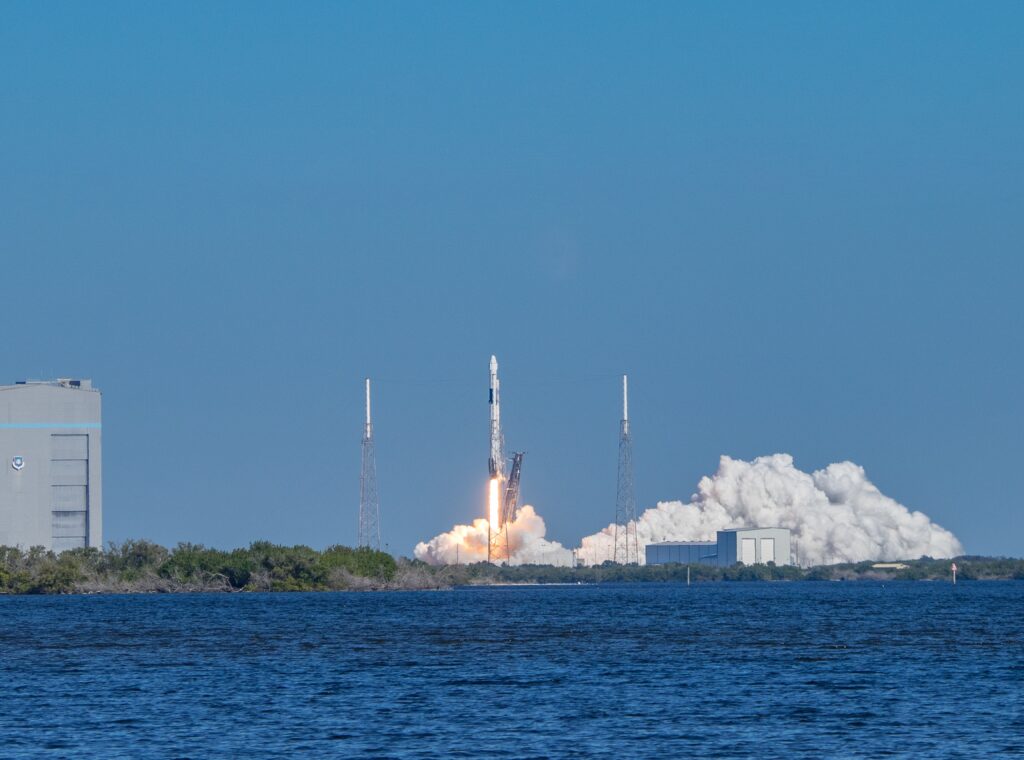
Cape Canaveral Air Force Station - credit: Baron Weather
Share
LinkedIn Facebook Twitter Email

The United States Air Force has selected weather intelligence specialist Baron to provide a new weather radar system and data display technology to help facilitate the safe launch of space launch operations.

In 2022, Baron will install a 250KW Klystron C-band dual-polarization radar at Patrick Space Force Station in Florida. The station is just south of Cape Canaveral, the most prominent location for space launch activities in the USA.

Organizations including SpaceX, ULA, NASA, USAF and the US Navy will benefit from the high-resolution data the weather radar will deliver. Using the Baron Lynx data visualization tool, the organizations will be able to view and analyze the data to determine if weather conditions are safe for launch activities and other operations.

Joel A Ward, president of The JAAW Group, a Baron partner and the prime contractor for the project, said, “The weather radar location allows for an acute understanding of weather and how it will impact launches. In addition, the weather data will be critical to support decisions regarding risk to personnel and critical infrastructure, allowing the staff to make appropriate weather-based decisions to proceed or postpone a launch with confidence.”

The Baron radar will feature CLEAN-AP clutter suppression technology, available exclusively through a partnership with the University of Oklahoma, that ensures the most precise display of weather targets. The radar also includes Baron’s Multi-radial Calibration technology, which calibrates the radar with every sweep.

Radar technicians and meteorologists from Baron, alongside The JAAW Group, will provide in-depth training as part of the installation.

Previous ArticleDeforestation of West African coastal areas linked to increase in flash floods and thunderstorms
Next Article Lightning events increased by 14% YoY across continental USA in 2021, finds Vaisala report

Read Similar Stories

Radar

EWR Radar Systems wins US Air Force contract for portable Doppler radar support

April 20, 20262 Mins Read
Climate Measurement

China inaugurates 27th national climate observatory in Hebei

April 9, 20262 Mins Read
Solar

Mauna Loa Solar Observatory reopens to support Artemis II mission

April 8, 20262 Mins Read
Latest News

Extreme heat posing significant risks to ecosystems and agriculture, FAO-WMO report warns

April 22, 2026

Atmospheric G2 secures Japan weather forecasting license

April 21, 2026

China completes Antarctic meteorological research mission with Xuelong icebreaker

April 21, 2026

Receive breaking stories and features in your inbox each week, for free


Enter your email address:


Supplier Spotlights
  • Reuniwatt
Getting in Touch
  • Contact Us / Advertise
  • Meet the Editors
  • Media Pack
  • Free Weekly E-Newsletter
Our Social Channels
  • Facebook
  • LinkedIn
© 2026 UKi Media & Events a division of UKIP Media & Events Ltd
  • Cookie Policy
  • Privacy Policy
  • Terms and Conditions
  • Notice and Takedown Policy

Type above and press Enter to search. Press Esc to cancel.