


Close Menu
Meteorological Technology International
  • News
    • A-E
      • Agriculture
      • Automated Weather Stations
      • Aviation
      • Climate Measurement
      • Data
      • Developing Countries
      • Digital Applications
      • Early Warning Systems
      • Extreme Weather
    • G-P
      • Hydrology
      • Lidar
      • Lightning Detection
      • New Appointments
      • Nowcasting
      • Numerical Weather Prediction
      • Polar Weather
    • R-S
      • Radar
      • Rainfall
      • Remote Sensing
      • Renewable Energy
      • Satellites
      • Solar
      • Space Weather
      • Supercomputers
    • T-Z
      • Training
      • Transport
      • Weather Instruments
      • Wind
      • World Meteorological Organization
      • Meteorological Technology World Expo
  • Features
  • Online Magazines
    • January 2026
    • April 2025
    • January 2025
    • September 2024
    • April 2024
    • Archive Issues
    • Subscribe Free!
  • Opinion
  • Videos
  • Supplier Spotlight
  • Expo
LinkedIn X (Twitter) Facebook
  • Sign-up for Free Weekly E-Newsletter
  • Meet the Editors
  • Contact Us
  • Media Pack
LinkedIn Facebook
Subscribe
Meteorological Technology International
  • News
      • Agriculture
      • Automated Weather Stations
      • Aviation
      • Climate Measurement
      • Data
      • Developing Countries
      • Digital Applications
      • Early Warning Systems
      • Extreme Weather
      • Hydrology
      • Lidar
      • Lightning Detection
      • New Appointments
      • Nowcasting
      • Numerical Weather Prediction
      • Polar Weather
      • Radar
      • Rainfall
      • Remote Sensing
      • Renewable Energy
      • Satellites
      • Solar
      • Space Weather
      • Supercomputers
      • Training
      • Transport
      • Weather Instruments
      • Wind
      • World Meteorological Organization
      • Meteorological Technology World Expo
  • Features
  • Online Magazines
    1. January 2026
    2. September 2025
    3. April 2025
    4. January 2025
    5. September 2024
    6. April 2024
    7. January 2024
    8. September 2023
    9. April 2023
    10. Archive Issues
    11. Subscribe Free!
    Featured
    November 27, 2025

    In this Issue – January 2026

    By Hazel KingNovember 27, 2025
    Recent

    In this Issue – January 2026

    November 27, 2025

    In this Issue – September 2025

    August 11, 2025

    In this Issue – April 2025

    April 15, 2025
  • Opinion
  • Videos
  • Supplier Spotlight
  • Expo
Facebook LinkedIn
Subscribe
Meteorological Technology International
Supercomputers

RIKEN simulations use chaos theory to demonstrate weather modification potential

Dan SymondsBy Dan SymondsApril 14, 20222 Mins Read
Share LinkedIn Facebook Twitter Email
Credit: Pixabay
Share
LinkedIn Facebook Twitter Email

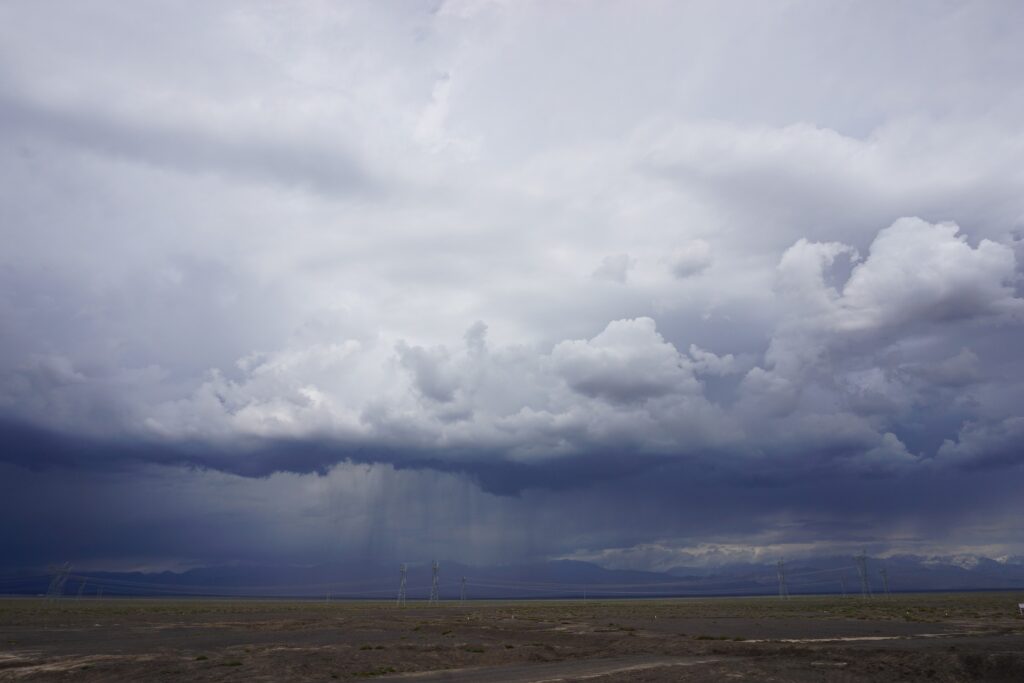
Researchers have used computer simulations to demonstrate how weather phenomena such as sudden downpours could potentially be modified by making small adjustments to certain variables in the weather system.

Led by the RIKEN Center for Computational Science, the project used the ‘butterfly attractor’ system from chaos theory, where a system can have one of two states and switches back and forth depending on small changes in certain conditions.

To perform the work, the RIKEN team ran one weather simulation, to serve as the control of ‘nature’ itself, and then ran other simulations, using small variations in a number of variables describing the convection – how heat moves through the system – and discovered that small changes in several of the variables together could lead to the system being in a certain state once a certain amount of time elapsed.

Takemasa Miyoshi, team leader at RIKEN, said, “This opens the path to research into the controllability of weather and could lead to weather control technology. If realized, this research could help us prevent and mitigate extreme windstorms, such as torrential rains and typhoons, whose risks are increasing with climate change.

“We have built a new theory and methodology for studying the controllability of weather. Based on the observing system simulation experiments used in previous predictability studies, we were able to design an experiment to investigate predictability based on the assumption that the true values (nature) cannot be changed, but rather that we can change the idea of what can be changed (the object to be controlled).

“In this case we used an ideal low-dimensional model to develop a new theory, and in the future we plan to use actual weather models to study the possible controllability of weather,” he said.

According to RIKEN, present methods for weather modification have had limited success. Seeding the atmosphere to induce rain has been demonstrated, but it is only possible when the atmosphere is already in a state where it might rain. Geoengineering projects have been envisioned, but have not been carried out due to concerns about what unpredicted long-term effects they might have.

The work, published in the journal Nonlinear Processes of Geophysics, was done as part of the Moonshot R&D Millennia program.

Previous ArticleStudy links increase in severity of Southeast Africa rainfall to climate change
Next Article WMO reaccredited as Adaptation Fund partner organization

Read Similar Stories

Climate Measurement

European climate report highlights record heat, glacier loss and rising extremes

April 27, 20263 Mins Read
Agriculture

Extreme heat posing significant risks to ecosystems and agriculture, FAO-WMO report warns

April 22, 20263 Mins Read
Extreme Weather

AI model improves real-time prediction of wildfire spread

April 16, 20263 Mins Read
Latest News

European climate report highlights record heat, glacier loss and rising extremes

April 27, 2026

WMO signals increasing likelihood of El Niño developing in 2026

April 24, 2026

Alabama partners with Climavision to expand weather radar coverage statewide

April 24, 2026

Receive breaking stories and features in your inbox each week, for free


Enter your email address:


Supplier Spotlights
  • ELDES S.r.l.
Getting in Touch
  • Contact Us / Advertise
  • Meet the Editors
  • Media Pack
  • Free Weekly E-Newsletter
Our Social Channels
  • Facebook
  • LinkedIn
© 2026 UKi Media & Events a division of UKIP Media & Events Ltd
  • Cookie Policy
  • Privacy Policy
  • Terms and Conditions
  • Notice and Takedown Policy

Type above and press Enter to search. Press Esc to cancel.