


Close Menu
Meteorological Technology International
  • News
    • A-E
      • Agriculture
      • Automated Weather Stations
      • Aviation
      • Climate Measurement
      • Data
      • Developing Countries
      • Digital Applications
      • Early Warning Systems
      • Extreme Weather
    • G-P
      • Hydrology
      • Lidar
      • Lightning Detection
      • New Appointments
      • Nowcasting
      • Numerical Weather Prediction
      • Polar Weather
    • R-S
      • Radar
      • Rainfall
      • Remote Sensing
      • Renewable Energy
      • Satellites
      • Solar
      • Space Weather
      • Supercomputers
    • T-Z
      • Training
      • Transport
      • Weather Instruments
      • Wind
      • World Meteorological Organization
      • Meteorological Technology World Expo
  • Features
  • Online Magazines
    • January 2026
    • April 2025
    • January 2025
    • September 2024
    • April 2024
    • Archive Issues
    • Subscribe Free!
  • Opinion
  • Videos
  • Supplier Spotlight
  • Expo
LinkedIn X (Twitter) Facebook
  • Sign-up for Free Weekly E-Newsletter
  • Meet the Editors
  • Contact Us
  • Media Pack
LinkedIn Facebook
Subscribe
Meteorological Technology International
  • News
      • Agriculture
      • Automated Weather Stations
      • Aviation
      • Climate Measurement
      • Data
      • Developing Countries
      • Digital Applications
      • Early Warning Systems
      • Extreme Weather
      • Hydrology
      • Lidar
      • Lightning Detection
      • New Appointments
      • Nowcasting
      • Numerical Weather Prediction
      • Polar Weather
      • Radar
      • Rainfall
      • Remote Sensing
      • Renewable Energy
      • Satellites
      • Solar
      • Space Weather
      • Supercomputers
      • Training
      • Transport
      • Weather Instruments
      • Wind
      • World Meteorological Organization
      • Meteorological Technology World Expo
  • Features
  • Online Magazines
    1. April 2026
    2. January 2026
    3. September 2025
    4. April 2025
    5. January 2025
    6. September 2024
    7. April 2024
    8. January 2024
    9. Archive Issues
    10. Subscribe Free!
    Featured
    May 5, 2026

    In this Issue – April 2026

    By Web TeamMay 5, 2026
    Recent

    In this Issue – April 2026

    May 5, 2026

    In this Issue – January 2026

    November 27, 2025

    In this Issue – September 2025

    August 11, 2025
  • Opinion
  • Videos
  • Supplier Spotlight
  • Expo
Facebook LinkedIn
Subscribe
Meteorological Technology International
Weather Instruments

Australian Bureau of Meteorology completes seven-year technology upgrade

Elizabeth BakerBy Elizabeth BakerSeptember 9, 20242 Mins Read
Share LinkedIn Facebook Twitter Email
The Australian Bureau of Meteorology (BoM) has completed its 7-year Robust upgrade program, which oversaw the transformation of the bureau’s information and observing technology systems.
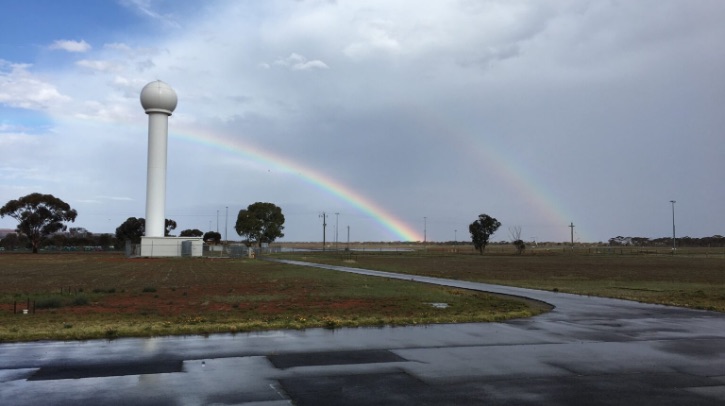
Credit: Australian Bureau of Meteorology
Share
LinkedIn Facebook Twitter Email

The Australian Bureau of Meteorology (BoM) has completed its seven-year Robust upgrade program, which involved the transformation of the bureau’s information and observing technology systems.

The Robust program received funding in the 2017-18, 2018-19 and 2020-21 federal budgets. At the program closure in 2024, the total expenditure from 2017-18 to 2023-24 financial years was US$866m.

Improved meteorological infrastructure

According to the organization, the program has been the most ambitious project in the history of the bureau. The improvements achieved by Robust include improved cyber and physical security capabilities; new IT infrastructure, networks and data centers; a new supercomputer computer for back-up and disaster recovery; upgrades to observing systems, including new and upgraded radars, automated weather balloon launchers, flood warning equipment and associated communications networks; a new, secure and resilient bureau website; and upgraded technology platforms for space weather and flood forecasting. Additionally, a standardized national operating environment has been implemented to help bureau employees work remotely anywhere in Australia and access all the technologies they need to do their jobs.

BoM’s 2015 cybersecurity breach

The Robust program was developed to address security, stability and resilience vulnerabilities following a cybersecurity breach and major outages in 2015 and early 2016. Reviews of bureau technology, infrastructure and other capabilities identified that vulnerabilities partly due to a lack of sustained investment were jeopardizing bureau services.

This investment was completed to enable more effective and efficient service delivery in the future and ensure the bureau can more rapidly develop and support improved products, data and services and recover from service interruptions.

Dr Andrew Johnson, CEO of the BoM, commented, “The Robust program has delivered secure, stable and resilient information and observing technologies for the Australian community, ensuring the bureau can continue in its core mission of providing trusted, reliable and responsive weather, water, climate and ocean services for Australia – all day, every day.

“This vital investment in our nationally critical capabilities ensures the bureau maintains its position as one of the world’s foremost and most respected hydrological and meteorological agencies. Robust has been an extraordinary team effort over many years. I thank our staff, partners and suppliers for their outstanding efforts.”

In related news, the Australian Bureau of Meteorology (BoM) recently installed a weather radar in Toowoomba in the Darling Downs region of Queensland. Click here to read the full story.

Previous ArticleUS government invests US$100m in new supercomputer to advance NOAA R&D
Next Article Indonesia replaces weather radar in Surabaya to improve early warning system

Read Similar Stories

Climate Measurement

Cloud measurement campaign targets improved climate model accuracy

May 20, 20263 Mins Read
Data

Ventusky adds fire monitoring to its weather maps

May 14, 20262 Mins Read
Automated Weather Stations

UNESCO hands over nine automated weather stations to the Ghana Meteorological Agency

May 12, 20262 Mins Read
Latest News

SMILE mission launches to study Earth’s magnetic shield and space weather

May 20, 2026

Cloud measurement campaign targets improved climate model accuracy

May 20, 2026

VIDEO: Meteosat-12 imagery over Europe and Africa made available via YouTube streams

May 19, 2026

Receive breaking stories and features in your inbox each week, for free


Enter your email address:


Supplier Spotlights
  • Reuniwatt
Getting in Touch
  • Contact Us / Advertise
  • Meet the Editors
  • Media Pack
  • Free Weekly E-Newsletter
Our Social Channels
  • Facebook
  • LinkedIn
© 2026 UKi Media & Events a division of UKIP Media & Events Ltd
  • Cookie Policy
  • Privacy Policy
  • Terms and Conditions
  • Notice and Takedown Policy

Type above and press Enter to search. Press Esc to cancel.