


Close Menu
Meteorological Technology International
  • News
    • A-E
      • Agriculture
      • Automated Weather Stations
      • Aviation
      • Climate Measurement
      • Data
      • Developing Countries
      • Digital Applications
      • Early Warning Systems
      • Extreme Weather
    • G-P
      • Hydrology
      • Lidar
      • Lightning Detection
      • New Appointments
      • Nowcasting
      • Numerical Weather Prediction
      • Polar Weather
    • R-S
      • Radar
      • Rainfall
      • Remote Sensing
      • Renewable Energy
      • Satellites
      • Solar
      • Space Weather
      • Supercomputers
    • T-Z
      • Training
      • Transport
      • Weather Instruments
      • Wind
      • World Meteorological Organization
      • Meteorological Technology World Expo
  • Features
  • Online Magazines
    • January 2026
    • April 2025
    • January 2025
    • September 2024
    • April 2024
    • Archive Issues
    • Subscribe Free!
  • Opinion
  • Videos
  • Supplier Spotlight
  • Expo
LinkedIn X (Twitter) Facebook
  • Sign-up for Free Weekly E-Newsletter
  • Meet the Editors
  • Contact Us
  • Media Pack
LinkedIn Facebook
Subscribe
Meteorological Technology International
  • News
      • Agriculture
      • Automated Weather Stations
      • Aviation
      • Climate Measurement
      • Data
      • Developing Countries
      • Digital Applications
      • Early Warning Systems
      • Extreme Weather
      • Hydrology
      • Lidar
      • Lightning Detection
      • New Appointments
      • Nowcasting
      • Numerical Weather Prediction
      • Polar Weather
      • Radar
      • Rainfall
      • Remote Sensing
      • Renewable Energy
      • Satellites
      • Solar
      • Space Weather
      • Supercomputers
      • Training
      • Transport
      • Weather Instruments
      • Wind
      • World Meteorological Organization
      • Meteorological Technology World Expo
  • Features
  • Online Magazines
    1. April 2026
    2. January 2026
    3. September 2025
    4. April 2025
    5. January 2025
    6. September 2024
    7. April 2024
    8. January 2024
    9. Archive Issues
    10. Subscribe Free!
    Featured
    May 5, 2026

    In this Issue – April 2026

    By Web TeamMay 5, 2026
    Recent

    In this Issue – April 2026

    May 5, 2026

    In this Issue – January 2026

    November 27, 2025

    In this Issue – September 2025

    August 11, 2025
  • Opinion
  • Videos
  • Supplier Spotlight
  • Expo
Facebook LinkedIn
Subscribe
Meteorological Technology International
Weather Instruments

Sustainable aviation fuel used for first time during FAAM training flight

Dan SymondsBy Dan SymondsMarch 22, 20232 Mins Read
Share LinkedIn Facebook Twitter Email
Credit - NCAS
Share
LinkedIn Facebook Twitter Email

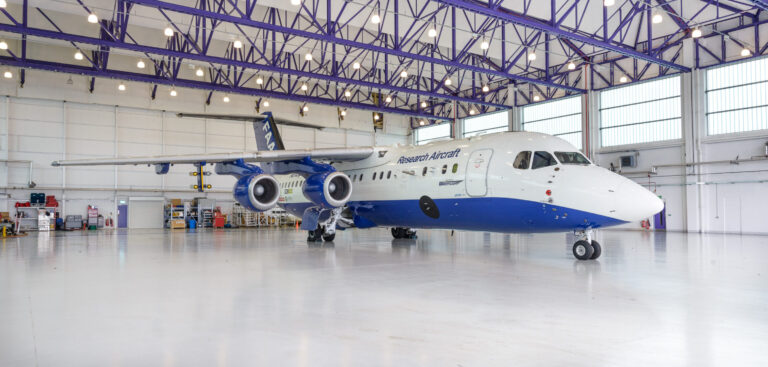
The FAAM Airborne Laboratory in the UK has used a blend of sustainable aviation fuel for the first time on a routine crew training flight in the south of England.

Made from renewable waste, biofuels and residual raw materials such as recovered cooking oil, sustainable aviation fuel (SAF) can be used as a direct replacement to jet fuel sourced from crude oil, and is fully compatible with FAAM’s BAE-146 aircraft engines and fueling infrastructure.

Many airlines and major airports around the world are already using sustainable aviation fuel blends, and it has supported hundreds of thousands of flights worldwide since 2016. The demand for sustainable aviation fuel is growing rapidly, and the FAAM Airborne Laboratory, operated by the National Centre for Atmospheric Science (NCAS), will bring sustainable aviation fuel into its operations from spring 2023.

Alan Woolley, head of the FAAM Airborne Laboratory, said, “We need to reduce our carbon emissions and take quick action where we can in order to support UK Research and Innovation’s commitment to achieve net zero by 2040. The FAAM Airborne Laboratory is adopting a range of sustainable practices, beyond switching fuel type, to reduce carbon emissions while continuing to make world-class measurements of the atmosphere.

“Over the last year, we have been working with the wider NCAS team to understand the impacts we create, and gain insights into our carbon footprint. We are making progress towards phasing out avoidable lifecycle carbon emissions, not just those from the aircraft’s tailpipe, and ensuring we use clean power to supply our operations where practicable,” he said.

Alongside forthcoming plans to source sustainable aviation fuel supplies and storage for future flights from its home base at Cranfield Airport, the FAAM Airborne Laboratory will be using local solar energy and electric-powered ground power units, towing equipment, and hangar facilities.

Previous ArticleClimate change visualization portrays “stark picture” of danger facing future generations
Next Article UN and WMO look to fast-track support for early warnings initiative

Read Similar Stories

Automated Weather Stations

University of Vermont launches first station in statewide weather monitoring network

May 8, 20262 Mins Read
Radar

EWR Radar Systems wins US Air Force contract for portable Doppler radar support

April 20, 20262 Mins Read
Climate Measurement

China inaugurates 27th national climate observatory in Hebei

April 9, 20262 Mins Read
Latest News

University of Vermont launches first station in statewide weather monitoring network

May 8, 2026

G7 countries pledge additional funding for CREWS early warning initiative

May 7, 2026

Wildfires can create ‘burn scar heat islands’ that alter weather patterns, study finds

May 6, 2026

Receive breaking stories and features in your inbox each week, for free


Enter your email address:


Supplier Spotlights
  • EWR Radar Systems
Getting in Touch
  • Contact Us / Advertise
  • Meet the Editors
  • Media Pack
  • Free Weekly E-Newsletter
Our Social Channels
  • Facebook
  • LinkedIn
© 2026 UKi Media & Events a division of UKIP Media & Events Ltd
  • Cookie Policy
  • Privacy Policy
  • Terms and Conditions
  • Notice and Takedown Policy

Type above and press Enter to search. Press Esc to cancel.