


Close Menu
Meteorological Technology International
  • News
    • A-E
      • Agriculture
      • Automated Weather Stations
      • Aviation
      • Climate Measurement
      • Data
      • Developing Countries
      • Digital Applications
      • Early Warning Systems
      • Extreme Weather
    • G-P
      • Hydrology
      • Lidar
      • Lightning Detection
      • New Appointments
      • Nowcasting
      • Numerical Weather Prediction
      • Polar Weather
    • R-S
      • Radar
      • Rainfall
      • Remote Sensing
      • Renewable Energy
      • Satellites
      • Solar
      • Space Weather
      • Supercomputers
    • T-Z
      • Training
      • Transport
      • Weather Instruments
      • Wind
      • World Meteorological Organization
      • Meteorological Technology World Expo
  • Features
  • Online Magazines
    • January 2026
    • April 2025
    • January 2025
    • September 2024
    • April 2024
    • Archive Issues
    • Subscribe Free!
  • Opinion
  • Videos
  • Supplier Spotlight
  • Expo
LinkedIn X (Twitter) Facebook
  • Sign-up for Free Weekly E-Newsletter
  • Meet the Editors
  • Contact Us
  • Media Pack
LinkedIn Facebook
Subscribe
Meteorological Technology International
  • News
      • Agriculture
      • Automated Weather Stations
      • Aviation
      • Climate Measurement
      • Data
      • Developing Countries
      • Digital Applications
      • Early Warning Systems
      • Extreme Weather
      • Hydrology
      • Lidar
      • Lightning Detection
      • New Appointments
      • Nowcasting
      • Numerical Weather Prediction
      • Polar Weather
      • Radar
      • Rainfall
      • Remote Sensing
      • Renewable Energy
      • Satellites
      • Solar
      • Space Weather
      • Supercomputers
      • Training
      • Transport
      • Weather Instruments
      • Wind
      • World Meteorological Organization
      • Meteorological Technology World Expo
  • Features
  • Online Magazines
    1. January 2026
    2. September 2025
    3. April 2025
    4. January 2025
    5. September 2024
    6. April 2024
    7. January 2024
    8. September 2023
    9. April 2023
    10. Archive Issues
    11. Subscribe Free!
    Featured
    November 27, 2025

    In this Issue – January 2026

    By Hazel KingNovember 27, 2025
    Recent

    In this Issue – January 2026

    November 27, 2025

    In this Issue – September 2025

    August 11, 2025

    In this Issue – April 2025

    April 15, 2025
  • Opinion
  • Videos
  • Supplier Spotlight
  • Expo
Facebook LinkedIn
Subscribe
Meteorological Technology International
Aviation

The meteorological legacy of the First World War

Lawrence ButcherBy Lawrence ButcherNovember 13, 20202 Mins Read
Share LinkedIn Facebook Twitter Email
Share
LinkedIn Facebook Twitter Email

In commemoration of the recently passed Armistice Day in the UK (Veterans Day in the USA), the Royal Meteorological Society (RMetS) has made available a paper covering the impact the Great War had on the science of meteorology.

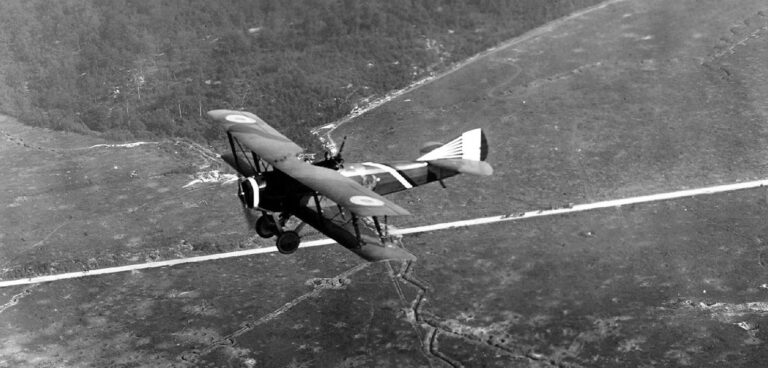
The First World War accelerated technological development, with aircraft, ranging from airships to gliders, having some of the greatest need for accurate meteorological data. Weather conditions were, perhaps for the first time, a significant factor for all theatres of war. The result was a significant change of direction for many of the world’s meteorological services – not least the UK’s Met Office.

The subsequent changes made by the Meteorological Office took forecasters to airfields and changed – some would say forever – the main role of the forecaster. It saw the development of formal training in operational meteorology. Indeed, the response led to many developments, spurred by some of the great figures of our science, including Ernest Gold, C K M Douglas, Henry Lyons and, albeit in a less overt way, Lewis Fry Richardson, who developed a useable numerical forecasting technique during the war.

Ultimately, the development of aviation meant that weather forecasting became a customer‐focused profession, largely serving aviation; its global reach spurring the implementation of a Meteorological Division within the International Civil Aviation Organization (later transferred to the World Meteorological Organization) from 1947.

The paper, written by Jim Galvin, a forecaster at the Jersey Meteorological Department, was written to honor those lost in the service of their country between 1914 and 1918; in particular, G J Barker, H Billett, N C Bradnock, W B Greening and E T Streets – Meteorological Office staff who lost their lives in action during the First World War.

The full paper is freely available to read for the next two weeks here.

Previous ArticleNOAA’s October weather report sees mix of average and extremes
Next Article Cellular masts could lead to more accurate rainfall predictions

Read Similar Stories

Radar

EWR Radar Systems wins US Air Force contract for portable Doppler radar support

April 20, 20262 Mins Read
Climate Measurement

China inaugurates 27th national climate observatory in Hebei

April 9, 20262 Mins Read
Solar

Mauna Loa Solar Observatory reopens to support Artemis II mission

April 8, 20262 Mins Read
Latest News

WMO signals increasing likelihood of El Niño developing in 2026

April 24, 2026

Alabama partners with Climavision to expand weather radar coverage statewide

April 24, 2026

Extreme heat posing significant risks to ecosystems and agriculture, FAO-WMO report warns

April 22, 2026

Receive breaking stories and features in your inbox each week, for free


Enter your email address:


Supplier Spotlights
  • Adolf Thies GmbH & Co. KG
Getting in Touch
  • Contact Us / Advertise
  • Meet the Editors
  • Media Pack
  • Free Weekly E-Newsletter
Our Social Channels
  • Facebook
  • LinkedIn
© 2026 UKi Media & Events a division of UKIP Media & Events Ltd
  • Cookie Policy
  • Privacy Policy
  • Terms and Conditions
  • Notice and Takedown Policy

Type above and press Enter to search. Press Esc to cancel.