

Close Menu
Meteorological Technology International
  • News
    • A-E
      • Agriculture
      • Automated Weather Stations
      • Aviation
      • Climate Measurement
      • Data
      • Developing Countries
      • Digital Applications
      • Early Warning Systems
      • Extreme Weather
    • G-P
      • Hydrology
      • Lidar
      • Lightning Detection
      • New Appointments
      • Nowcasting
      • Numerical Weather Prediction
      • Polar Weather
    • R-S
      • Radar
      • Rainfall
      • Remote Sensing
      • Renewable Energy
      • Satellites
      • Solar
      • Space Weather
      • Supercomputers
    • T-Z
      • Training
      • Transport
      • Weather Instruments
      • Wind
      • World Meteorological Organization
      • Meteorological Technology World Expo
  • Features
  • Online Magazines
    • January 2026
    • April 2025
    • January 2025
    • September 2024
    • April 2024
    • Archive Issues
    • Subscribe Free!
  • Opinion
  • Videos
  • Supplier Spotlight
  • Expo
LinkedIn X (Twitter) Facebook
  • Sign-up for Free Weekly E-Newsletter
  • Meet the Editors
  • Contact Us
  • Media Pack
LinkedIn Facebook
Subscribe
Meteorological Technology International
  • News
      • Agriculture
      • Automated Weather Stations
      • Aviation
      • Climate Measurement
      • Data
      • Developing Countries
      • Digital Applications
      • Early Warning Systems
      • Extreme Weather
      • Hydrology
      • Lidar
      • Lightning Detection
      • New Appointments
      • Nowcasting
      • Numerical Weather Prediction
      • Polar Weather
      • Radar
      • Rainfall
      • Remote Sensing
      • Renewable Energy
      • Satellites
      • Solar
      • Space Weather
      • Supercomputers
      • Training
      • Transport
      • Weather Instruments
      • Wind
      • World Meteorological Organization
      • Meteorological Technology World Expo
  • Features
  • Online Magazines
    1. April 2026
    2. January 2026
    3. September 2025
    4. April 2025
    5. January 2025
    6. September 2024
    7. April 2024
    8. January 2024
    9. Archive Issues
    10. Subscribe Free!
    Featured
    May 5, 2026

    In this Issue – April 2026

    By Web TeamMay 5, 2026
    Recent

    In this Issue – April 2026

    May 5, 2026

    In this Issue – January 2026

    November 27, 2025

    In this Issue – September 2025

    August 11, 2025
  • Opinion
  • Videos
  • Supplier Spotlight
  • Expo
Facebook LinkedIn
Subscribe
Meteorological Technology International
Climate Measurement

Denman Glacier retreats three miles

James MuirBy James MuirMarch 24, 20202 Mins Read
Share LinkedIn Facebook Twitter Email
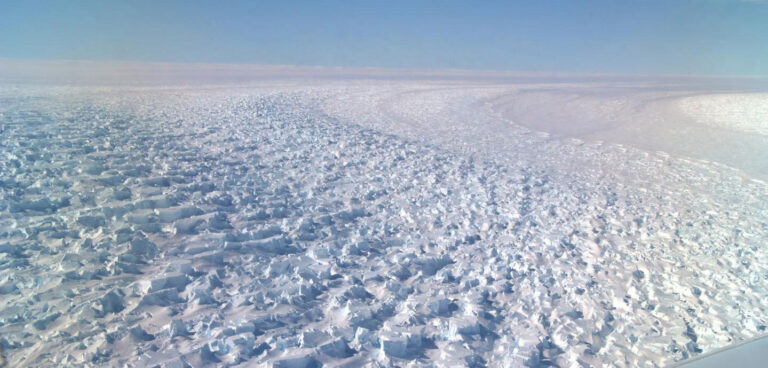
Pic: NASA
Share
LinkedIn Facebook Twitter Email

The Denman Glacier in Antarctica has retreated almost three miles in 22 years, according to US researchers.

If fully thawed, the researchers from NASA’s Jet Propulsion Laboratory and University of California – Irvine (UCI) say worldwide sea levels could rise 1.5m (5ft).

The scientists have completed the most thorough examination of the glacier and surrounding area to date, uncovering clues about its condition under further global warming.

Eric Rignot, Donald Bren Professor and Chancellor’s Professor of Earth system science UCI, said East Antarctica was thought to be less threatened, but there is evidence of marine ice sheet instability in the region.

He said, “The ice in West Antarctica has been melting faster in recent years, but the sheer size of Denman Glacier means that its potential impact on long-term sea level rise is just as significant.”

Denman Glacier has lost 268 billion tons between 1979 and 2017. Radar interferometer data from the Italian Space Agency’s COSMO-SkyMed satellite system helped researchers determine Denman’s grounding line.

Virginia Brancato, postdoctoral fellow with JPL, said, “Differential synthetic aperture radar interferometer data from 1996 to 2018 showed us a marked asymmetry in the grounding line retreat at the ice sheet’s land-sea interface.”

The eastern flank is protected by a subglacial ridge, but the western flank is characterized by a deep and steep trough with a bed slope conducive to accelerated retreat.

Brancato said, “Because of the shape of the ground beneath Denman’s western side, there is potential for rapid and irreversible retreat, and that means substantial increases in global sea levels in the future.”

Previous ArticleNOAA looks for EPIC partner
Next Article Climate change and water are the focus

Read Similar Stories

Artificial Intelligence

Machine learning opens new possibilities for global atmospheric reanalysis

July 22, 20263 Mins Read
Extreme Weather

North Sea marine heatwave intensified impacts of Storm Babet by 9-20%

July 21, 20263 Mins Read
Climate Measurement

Sonardyne provides navigation support to BAS GIANT climate mission studying Greenland’s glaciers

July 16, 20263 Mins Read
Latest News

Machine learning opens new possibilities for global atmospheric reanalysis

July 22, 2026

North Sea marine heatwave intensified impacts of Storm Babet by 9-20%

July 21, 2026

FEATURE: UAH study tracks post-wildfire weather shifts

July 21, 2026

Receive breaking stories and features in your inbox each week, for free


Enter your email address:


Supplier Spotlights
  • Nel Hydrogen
Getting in Touch
  • Contact Us / Advertise
  • Meet the Editors
  • Media Pack
  • Free Weekly E-Newsletter
Our Social Channels
  • Facebook
  • LinkedIn
© 2026 UKi Media & Events a division of UKIP Media & Events Ltd
  • Cookie Policy
  • Privacy Policy
  • Terms and Conditions
  • Notice and Takedown Policy

Type above and press Enter to search. Press Esc to cancel.