

Close Menu
Meteorological Technology International
  • News
    • A-E
      • Agriculture
      • Automated Weather Stations
      • Aviation
      • Climate Measurement
      • Data
      • Developing Countries
      • Digital Applications
      • Early Warning Systems
      • Extreme Weather
    • G-P
      • Hydrology
      • Lidar
      • Lightning Detection
      • New Appointments
      • Nowcasting
      • Numerical Weather Prediction
      • Polar Weather
    • R-S
      • Radar
      • Rainfall
      • Remote Sensing
      • Renewable Energy
      • Satellites
      • Solar
      • Space Weather
      • Supercomputers
    • T-Z
      • Training
      • Transport
      • Weather Instruments
      • Wind
      • World Meteorological Organization
      • Meteorological Technology World Expo
  • Features
  • Online Magazines
    • January 2026
    • April 2025
    • January 2025
    • September 2024
    • April 2024
    • Archive Issues
    • Subscribe Free!
  • Opinion
  • Videos
  • Supplier Spotlight
  • Expo
LinkedIn X (Twitter) Facebook
  • Sign-up for Free Weekly E-Newsletter
  • Meet the Editors
  • Contact Us
  • Media Pack
LinkedIn Facebook
Subscribe
Meteorological Technology International
  • News
      • Agriculture
      • Automated Weather Stations
      • Aviation
      • Climate Measurement
      • Data
      • Developing Countries
      • Digital Applications
      • Early Warning Systems
      • Extreme Weather
      • Hydrology
      • Lidar
      • Lightning Detection
      • New Appointments
      • Nowcasting
      • Numerical Weather Prediction
      • Polar Weather
      • Radar
      • Rainfall
      • Remote Sensing
      • Renewable Energy
      • Satellites
      • Solar
      • Space Weather
      • Supercomputers
      • Training
      • Transport
      • Weather Instruments
      • Wind
      • World Meteorological Organization
      • Meteorological Technology World Expo
  • Features
  • Online Magazines
    1. April 2026
    2. January 2026
    3. September 2025
    4. April 2025
    5. January 2025
    6. September 2024
    7. April 2024
    8. January 2024
    9. Archive Issues
    10. Subscribe Free!
    Featured
    May 5, 2026

    In this Issue – April 2026

    By Web TeamMay 5, 2026
    Recent

    In this Issue – April 2026

    May 5, 2026

    In this Issue – January 2026

    November 27, 2025

    In this Issue – September 2025

    August 11, 2025
  • Opinion
  • Videos
  • Supplier Spotlight
  • Expo
Facebook LinkedIn
Subscribe
Meteorological Technology International
Climate Measurement

India Meteorological Department to predict extreme weather with AI

Henry WillisBy Henry WillisAugust 14, 20202 Mins Read
Share LinkedIn Facebook Twitter Email
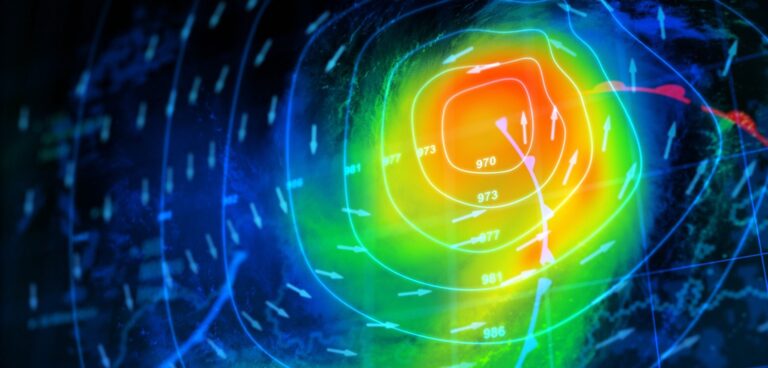
India Meteorological Department (IMD) uses artificial intelligence to predict extreme weather
Share
LinkedIn Facebook Twitter Email

The India Meteorological Department (IMD) is planning to use artificial intelligence to predict extreme weather patterns in its forecasting. The technology could be especially important to warn of weather events occurring within three to six hours.

The state department currently uses technology such as radars and satellite imagery to look into extreme weather patterns occurring in the same day. Last month, in two regions of India alone, 160 people are said to have died because of lightning strikes, and IMD is now hoping to make better use of more advanced technology involving AI.

“Artificial intelligence helps in understanding past weather models and this can make decision making faster,” said Mrutyunjay Mohapatra, director general of IMD, who also stated that the use of artificial intelligence and machine learning in meteorology is not as prevalent as in other fields.

The IMD is now inviting research groups who understand how AI can work with weather forecasting to submit proposals to potentially work with the department. The IMD is also open to working with private businesses to develop collaborative research on the technology.

Historically, the IMD has warned in its forecasts of excessive climate occurrences, such as thunderstorms or mud storms. It is said that thunderstorms are difficult to predict with current technology as lightning and heavy rains are harder to track, with the weather cycles beginning and ending very quickly.

Earlier this year, the National Oceanic and Atmospheric Administration (NOAA) in the USA turned to AI to explore and map deep water in US territories.

Previous ArticleMet Office highlights report warning of significant climate change
Next Article Surface conditions affect megastorm predictability, research suggests

Read Similar Stories

Climate Measurement

Cambridge AI tool converts satellite archives into accessible Earth intelligence

June 10, 20262 Mins Read
Climate Measurement

ECMWF prepares release of new ORAS6 ocean reanalysis system

June 10, 20263 Mins Read
Solar

IKEA uses 20 years of solar data to identify Sweden’s sunniest square meter

June 8, 20262 Mins Read
Latest News

Cambridge AI tool converts satellite archives into accessible Earth intelligence

June 10, 2026

ECMWF prepares release of new ORAS6 ocean reanalysis system

June 10, 2026

Stephen Ettinger named UCAR CFO

June 8, 2026

Receive breaking stories and features in your inbox each week, for free


Enter your email address:


Supplier Spotlights
  • ROTRONIC AG
Getting in Touch
  • Contact Us / Advertise
  • Meet the Editors
  • Media Pack
  • Free Weekly E-Newsletter
Our Social Channels
  • Facebook
  • LinkedIn
© 2026 UKi Media & Events a division of UKIP Media & Events Ltd
  • Cookie Policy
  • Privacy Policy
  • Terms and Conditions
  • Notice and Takedown Policy

Type above and press Enter to search. Press Esc to cancel.