


Close Menu
Meteorological Technology International
  • News
    • A-E
      • Agriculture
      • Automated Weather Stations
      • Aviation
      • Climate Measurement
      • Data
      • Developing Countries
      • Digital Applications
      • Early Warning Systems
      • Extreme Weather
    • G-P
      • Hydrology
      • Lidar
      • Lightning Detection
      • New Appointments
      • Nowcasting
      • Numerical Weather Prediction
      • Polar Weather
    • R-S
      • Radar
      • Rainfall
      • Remote Sensing
      • Renewable Energy
      • Satellites
      • Solar
      • Space Weather
      • Supercomputers
    • T-Z
      • Training
      • Transport
      • Weather Instruments
      • Wind
      • World Meteorological Organization
      • Meteorological Technology World Expo
  • Features
  • Online Magazines
    • January 2026
    • April 2025
    • January 2025
    • September 2024
    • April 2024
    • Archive Issues
    • Subscribe Free!
  • Opinion
  • Videos
  • Supplier Spotlight
  • Expo
LinkedIn X (Twitter) Facebook
  • Sign-up for Free Weekly E-Newsletter
  • Meet the Editors
  • Contact Us
  • Media Pack
LinkedIn Facebook
Subscribe
Meteorological Technology International
  • News
      • Agriculture
      • Automated Weather Stations
      • Aviation
      • Climate Measurement
      • Data
      • Developing Countries
      • Digital Applications
      • Early Warning Systems
      • Extreme Weather
      • Hydrology
      • Lidar
      • Lightning Detection
      • New Appointments
      • Nowcasting
      • Numerical Weather Prediction
      • Polar Weather
      • Radar
      • Rainfall
      • Remote Sensing
      • Renewable Energy
      • Satellites
      • Solar
      • Space Weather
      • Supercomputers
      • Training
      • Transport
      • Weather Instruments
      • Wind
      • World Meteorological Organization
      • Meteorological Technology World Expo
  • Features
  • Online Magazines
    1. January 2026
    2. September 2025
    3. April 2025
    4. January 2025
    5. September 2024
    6. April 2024
    7. January 2024
    8. September 2023
    9. April 2023
    10. Archive Issues
    11. Subscribe Free!
    Featured
    November 27, 2025

    In this Issue – January 2026

    By Hazel KingNovember 27, 2025
    Recent

    In this Issue – January 2026

    November 27, 2025

    In this Issue – September 2025

    August 11, 2025

    In this Issue – April 2025

    April 15, 2025
  • Opinion
  • Videos
  • Supplier Spotlight
  • Expo
Facebook LinkedIn
Subscribe
Meteorological Technology International
Climate Measurement

NIWA crew witness “sobering” Antarctic ice loss first hand

Dan SymondsBy Dan SymondsFebruary 23, 20232 Mins Read
Share LinkedIn Facebook Twitter Email
Credit: Pixabay
Share
LinkedIn Facebook Twitter Email

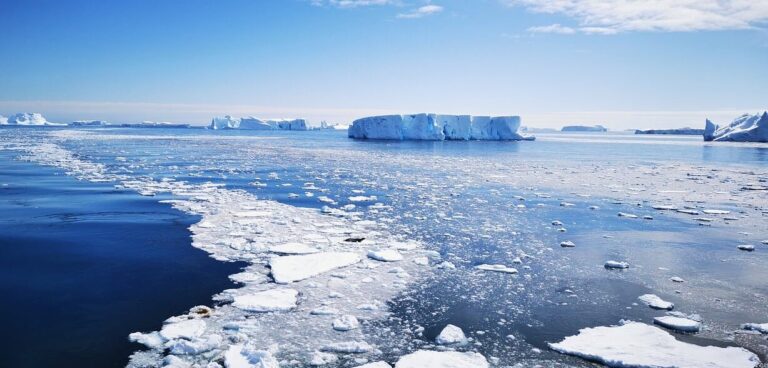
Scientists from New Zealand’s National Institute of Water and Atmospheric Research (NIWA) have reported that they experienced an easier than normal six-week voyage to the Ross Sea in Antarctica due to a noticeable “lack of summer ice”.

The scientists’ mission on board the research vessel Tangaroa was to better understand the ecosystem and ocean physics in the Ross Sea, as well as assessing the impacts of climate change.

Dr Joshu Mountjoy, marine geoscientist at NIWA and voyage leader, said, “There is an obviously dramatic reduction in summer sea ice that seems more apparent every year. Many of the ship’s crew have been coming to the Ross Sea for over 20 years and are seeing big changes.

“A large focus of our work is collecting data to understand what happens to this Antarctic Ocean environment as climate change starts to bite, and it’s sobering to see the results first hand before we’ve even collected any data,” he said.

Twenty scientists and 18 crew traveled 11,500km, beginning their journey in Wellington and going as far as 73° south to the Ross Sea Marine Protected Area, which is the world’s largest and drives some of the Southern Ocean’s most abundant ecosystems.

The team processed 15,000 liters of seawater, took 25 hours of video footage of the seafloor, and collected over 5000 biological specimens.

Mountjoy said that despite the low levels of sea ice, the mission was successful: “It’s great knowing that the data from this voyage will contribute to a broad body of critically important science. It will improve our understanding of the Ross Sea ocean currents and ecosystem and what impacts climate change will have in the future.”

The team will now start analyzing the samples and data gathered, while collecting further monitoring information over the next two years from 10 new moorings that they deployed.

Previous ArticleWMO secretary-general calls for improved integrated flood and drought management
Next Article Flooding in New York City’s Jamaica Bay caused by combination of landscape changes and sea-level rise, finds study

Read Similar Stories

Climate Measurement

WMO signals increasing likelihood of El Niño developing in 2026

April 24, 20263 Mins Read
Radar

Alabama partners with Climavision to expand weather radar coverage statewide

April 24, 20262 Mins Read
Agriculture

Extreme heat posing significant risks to ecosystems and agriculture, FAO-WMO report warns

April 22, 20263 Mins Read
Latest News

WMO signals increasing likelihood of El Niño developing in 2026

April 24, 2026

Alabama partners with Climavision to expand weather radar coverage statewide

April 24, 2026

Extreme heat posing significant risks to ecosystems and agriculture, FAO-WMO report warns

April 22, 2026

Receive breaking stories and features in your inbox each week, for free


Enter your email address:


Supplier Spotlights
  • ELDES S.r.l.
Getting in Touch
  • Contact Us / Advertise
  • Meet the Editors
  • Media Pack
  • Free Weekly E-Newsletter
Our Social Channels
  • Facebook
  • LinkedIn
© 2026 UKi Media & Events a division of UKIP Media & Events Ltd
  • Cookie Policy
  • Privacy Policy
  • Terms and Conditions
  • Notice and Takedown Policy

Type above and press Enter to search. Press Esc to cancel.