


Close Menu
Meteorological Technology International
  • News
    • A-E
      • Agriculture
      • Automated Weather Stations
      • Aviation
      • Climate Measurement
      • Data
      • Developing Countries
      • Digital Applications
      • Early Warning Systems
      • Extreme Weather
    • G-P
      • Hydrology
      • Lidar
      • Lightning Detection
      • New Appointments
      • Nowcasting
      • Numerical Weather Prediction
      • Polar Weather
    • R-S
      • Radar
      • Rainfall
      • Remote Sensing
      • Renewable Energy
      • Satellites
      • Solar
      • Space Weather
      • Supercomputers
    • T-Z
      • Training
      • Transport
      • Weather Instruments
      • Wind
      • World Meteorological Organization
      • Meteorological Technology World Expo
  • Features
  • Online Magazines
    • January 2026
    • April 2025
    • January 2025
    • September 2024
    • April 2024
    • Archive Issues
    • Subscribe Free!
  • Opinion
  • Videos
  • Supplier Spotlight
  • Expo
LinkedIn X (Twitter) Facebook
  • Sign-up for Free Weekly E-Newsletter
  • Meet the Editors
  • Contact Us
  • Media Pack
LinkedIn Facebook
Subscribe
Meteorological Technology International
  • News
      • Agriculture
      • Automated Weather Stations
      • Aviation
      • Climate Measurement
      • Data
      • Developing Countries
      • Digital Applications
      • Early Warning Systems
      • Extreme Weather
      • Hydrology
      • Lidar
      • Lightning Detection
      • New Appointments
      • Nowcasting
      • Numerical Weather Prediction
      • Polar Weather
      • Radar
      • Rainfall
      • Remote Sensing
      • Renewable Energy
      • Satellites
      • Solar
      • Space Weather
      • Supercomputers
      • Training
      • Transport
      • Weather Instruments
      • Wind
      • World Meteorological Organization
      • Meteorological Technology World Expo
  • Features
  • Online Magazines
    1. January 2026
    2. September 2025
    3. April 2025
    4. January 2025
    5. September 2024
    6. April 2024
    7. January 2024
    8. September 2023
    9. April 2023
    10. Archive Issues
    11. Subscribe Free!
    Featured
    November 27, 2025

    In this Issue – January 2026

    By Hazel KingNovember 27, 2025
    Recent

    In this Issue – January 2026

    November 27, 2025

    In this Issue – September 2025

    August 11, 2025

    In this Issue – April 2025

    April 15, 2025
  • Opinion
  • Videos
  • Supplier Spotlight
  • Expo
Facebook LinkedIn
Subscribe
Meteorological Technology International
Climate Measurement

NIWA research into Australian wildfires exposes gap in ozone chemistry knowledge

Dan SymondsBy Dan SymondsAugust 10, 20223 Mins Read
Share LinkedIn Facebook Twitter Email
Photo credit: Pixabay-fish96
Share
LinkedIn Facebook Twitter Email

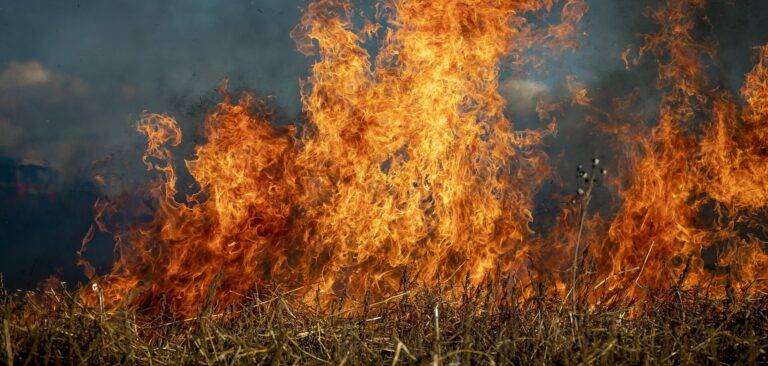
NASA and New Zealand’s National Institute of Water and Atmospheric Research (NIWA) have detected unprecedented chemical changes in the stratosphere resulting from the 2020 Australian wildfires.

The stratosphere is roughly 16-20km above the Earth’s surface and is where one-third of the planet’s protective ozone layer resides.

The changes involved several chlorine-containing gases, which usually do not change much in this region. The main differences involved hydrogen chloride (HCl) – a gas that can be converted into a reactive form that destroys ozone. In the months following the bushfires, NASA’s Aura satellite observed that HCl levels had dropped by about half. There were also increases in chlorine monoxide (ClO).

The changes occurred gradually over a four- to five-month period after the fires, before reversing over another four months.

Dr Susan Strahan, study lead and senior research scientist at the University of Maryland Baltimore County and the NASA Goddard Flight Center, said, “We were unable to replicate what we were seeing in any models, meaning that the reactions taking place in the stratosphere on these smoke aerosols are unknown. We don’t know what they are, and we can’t calculate their effects on ozone.

“This is worrying because anything that messes with the chlorine family of gases – like HCl – has the potential to harm the ozone. Just one atom of chlorine can destroy over 100,000 ozone molecules before it is removed from the atmosphere. From the observations of elevated ClO, we think that ozone in the mid latitudes experienced some depletion following the 2020 fires,” she said.

Further measurements were taken by NIWA’s Atmospheric Research Station at Lauder in Central Otago, on New Zealand’s South Island.

Dan Smale, a NIWA researcher based at Lauder said that the smoke offered a great chance to study the impact of massive wildfire events on the atmosphere.

“Nothing like this has ever been seen in the Lauder data record before,” he said. “Like volcanic eruptions, mega wildfires release millions of tons of smoke particles high into the air. The Australian bushfires were the biggest and most destructive ever recorded and seem to have caused unknown reactions affecting ozone chemistry, which is both tantalizing from a science point of view and worrying from an environmental point of view.

“Our findings identify a knowledge gap in the processes that control ozone. With wildfires predicted to become more frequent and intense as the planet warms, the likelihood of ozone depletion is increased. Laboratory studies on the chemical reactivity of wildfire smoke particles are urgently needed.”

Infamously known as Black Summer, the 2020 Australian wildfires burnt approximately 14,300,000ha of land, destroying 3,000 homes, and killing at least 34 people and up to 3,000,000 animals.

Previous ArticleUltra-high-resolution weather models shown to improve safety of mountain activities
Next Article Vietnam’s met agency launches flash flood early warning system for Southeast Asia

Read Similar Stories

Climate Measurement

China completes Antarctic meteorological research mission with Xuelong icebreaker

April 21, 20262 Mins Read
Space Weather

Northumbria University secures £4m to study Earth’s radiation belts

April 16, 20262 Mins Read
Extreme Weather

AI model improves real-time prediction of wildfire spread

April 16, 20263 Mins Read
Latest News

Extreme heat posing significant risks to ecosystems and agriculture, FAO-WMO report warns

April 22, 2026

Atmospheric G2 secures Japan weather forecasting license

April 21, 2026

China completes Antarctic meteorological research mission with Xuelong icebreaker

April 21, 2026

Receive breaking stories and features in your inbox each week, for free


Enter your email address:


Supplier Spotlights
  • Reuniwatt
Getting in Touch
  • Contact Us / Advertise
  • Meet the Editors
  • Media Pack
  • Free Weekly E-Newsletter
Our Social Channels
  • Facebook
  • LinkedIn
© 2026 UKi Media & Events a division of UKIP Media & Events Ltd
  • Cookie Policy
  • Privacy Policy
  • Terms and Conditions
  • Notice and Takedown Policy

Type above and press Enter to search. Press Esc to cancel.