


Close Menu
Meteorological Technology International
  • News
    • A-E
      • Agriculture
      • Automated Weather Stations
      • Aviation
      • Climate Measurement
      • Data
      • Developing Countries
      • Digital Applications
      • Early Warning Systems
      • Extreme Weather
    • G-P
      • Hydrology
      • Lidar
      • Lightning Detection
      • New Appointments
      • Nowcasting
      • Numerical Weather Prediction
      • Polar Weather
    • R-S
      • Radar
      • Rainfall
      • Remote Sensing
      • Renewable Energy
      • Satellites
      • Solar
      • Space Weather
      • Supercomputers
    • T-Z
      • Training
      • Transport
      • Weather Instruments
      • Wind
      • World Meteorological Organization
      • Meteorological Technology World Expo
  • Features
  • Online Magazines
    • January 2026
    • April 2025
    • January 2025
    • September 2024
    • April 2024
    • Archive Issues
    • Subscribe Free!
  • Opinion
  • Videos
  • Supplier Spotlight
  • Expo
LinkedIn X (Twitter) Facebook
  • Sign-up for Free Weekly E-Newsletter
  • Meet the Editors
  • Contact Us
  • Media Pack
LinkedIn Facebook
Subscribe
Meteorological Technology International
  • News
      • Agriculture
      • Automated Weather Stations
      • Aviation
      • Climate Measurement
      • Data
      • Developing Countries
      • Digital Applications
      • Early Warning Systems
      • Extreme Weather
      • Hydrology
      • Lidar
      • Lightning Detection
      • New Appointments
      • Nowcasting
      • Numerical Weather Prediction
      • Polar Weather
      • Radar
      • Rainfall
      • Remote Sensing
      • Renewable Energy
      • Satellites
      • Solar
      • Space Weather
      • Supercomputers
      • Training
      • Transport
      • Weather Instruments
      • Wind
      • World Meteorological Organization
      • Meteorological Technology World Expo
  • Features
  • Online Magazines
    1. January 2026
    2. September 2025
    3. April 2025
    4. January 2025
    5. September 2024
    6. April 2024
    7. January 2024
    8. September 2023
    9. April 2023
    10. Archive Issues
    11. Subscribe Free!
    Featured
    November 27, 2025

    In this Issue – January 2026

    By Hazel KingNovember 27, 2025
    Recent

    In this Issue – January 2026

    November 27, 2025

    In this Issue – September 2025

    August 11, 2025

    In this Issue – April 2025

    April 15, 2025
  • Opinion
  • Videos
  • Supplier Spotlight
  • Expo
Facebook LinkedIn
Subscribe
Meteorological Technology International
Extreme Weather

Ultra-high-resolution weather models shown to improve safety of mountain activities

Dan SymondsBy Dan SymondsAugust 10, 20223 Mins Read
Share LinkedIn Facebook Twitter Email
Photo credit: Pixabay-Nick_H
Share
LinkedIn Facebook Twitter Email

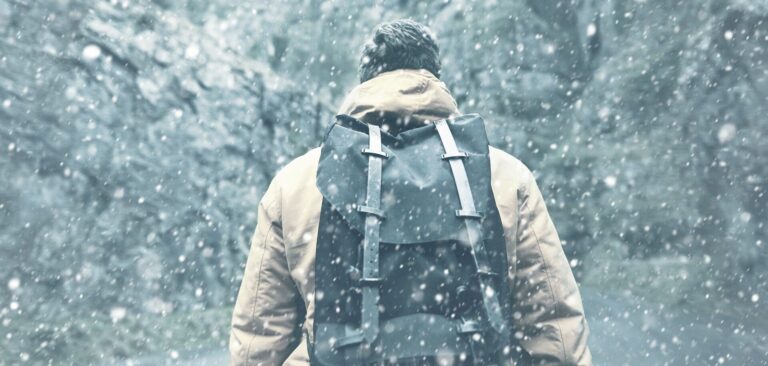
High-resolution modeling of a ‘blizzard-like’ storm that killed 21 ultramarathoners in China in 2021 has exposed how coarser models underestimated the localized effects of the storm.

In late May of 2021, 172 runners set out to tackle a 100km ultramarathon in northwestern China. By midday, as the runners made their way through a rugged, high-elevation part of the course, temperatures plunged, strong winds whipped around the hillslopes and freezing rain and hail pummeled the runners. By the next day, the death toll from the sudden storm was 21.

A new study revisited the event to test how hyper-local modeling could improve forecast accuracy for mountain events. The runners ran into trouble because hourly weather forecasts for the race underestimated the storm. The steep mountain slopes had highly localized effects on wind, precipitation and temperature at too small a scale for the weather forecasts for the event.

Hourly forecasts for the 2021 race were based on relatively large-scale atmospheric processes, with models running at a resolution of 3km – sufficient for most regional predictions but too coarse to capture ‘hyper-local’ weather like the storm that struck the course, said Haile Xue, a climate scientist at China’s CMA Earth System Modeling and Prediction Centre and lead author of the new study. Even though a wind and cold-temperature advisory had been issued the night before, it lacked the resolution required to pinpoint the danger zones on the course.

In addition to general regional forecasts, Xue said that “an apparent temperature forecast based on a high-resolution simulation may be helpful”.

The paper states that conditions like the 2021 storm are common in mountains with extremely high elevations, such as Mount Everest and Denali. Although they are less frequent at lower elevations, when such storms do occur, they can strike suddenly and lead to injuries and loss of life.

The new study uses topographic data from the course, at tens of meters of resolution rather than kilometers, to model the hyper-local weather conditions created by the mountains. With a resolution two orders of magnitude finer than the original forecasts for that weekend, as well as detailed considerations of mountainous topography, the model accurately recreated the storm conditions from the race and offered greater insight into what may have happened that day.

The original forecast included a large-scale cold front, which would have led to temperature drops and stronger, but not extreme, winds, with only a low-level wind advisory issued. The new study found the apparent temperature could have dropped to as low as -10°C, about 3°C cooler than the original models predicted.

The model also generated an ‘impact forecast’, including apparent temperature, which could have dropped even lower as it considers humidity and would ideally include the effect of wet clothes or skin on body temperature. Xue said that including these in forecasts could help mitigate the risk of hypothermia.

Along with the weather, planning for the race and gear requirements for the runners were discussed following the event. Many endurance events require ample layers for warmth and rain protection; these were suggested but not required, which could have contributed to the loss of life. Both accurate weather forecasts and gear requirements are essential for an event to be safe.

To view the complete study in the AGU journal JGR Atmospheres, click here.

Previous ArticleJeremy Darroch appointed chair of National Oceanography Centre
Next Article NIWA research into Australian wildfires exposes gap in ozone chemistry knowledge

Read Similar Stories

Agriculture

Extreme heat posing significant risks to ecosystems and agriculture, FAO-WMO report warns

April 22, 20263 Mins Read
Extreme Weather

AI model improves real-time prediction of wildfire spread

April 16, 20263 Mins Read
Climate Measurement

Study identifies atmospheric trigger behind flash droughts in Puerto Rico

April 15, 20263 Mins Read
Latest News

Extreme heat posing significant risks to ecosystems and agriculture, FAO-WMO report warns

April 22, 2026

Atmospheric G2 secures Japan weather forecasting license

April 21, 2026

China completes Antarctic meteorological research mission with Xuelong icebreaker

April 21, 2026

Receive breaking stories and features in your inbox each week, for free


Enter your email address:


Supplier Spotlights
  • ELDES S.r.l.
Getting in Touch
  • Contact Us / Advertise
  • Meet the Editors
  • Media Pack
  • Free Weekly E-Newsletter
Our Social Channels
  • Facebook
  • LinkedIn
© 2026 UKi Media & Events a division of UKIP Media & Events Ltd
  • Cookie Policy
  • Privacy Policy
  • Terms and Conditions
  • Notice and Takedown Policy

Type above and press Enter to search. Press Esc to cancel.