


Close Menu
Meteorological Technology International
  • News
    • A-E
      • Agriculture
      • Automated Weather Stations
      • Aviation
      • Climate Measurement
      • Data
      • Developing Countries
      • Digital Applications
      • Early Warning Systems
      • Extreme Weather
    • G-P
      • Hydrology
      • Lidar
      • Lightning Detection
      • New Appointments
      • Nowcasting
      • Numerical Weather Prediction
      • Polar Weather
    • R-S
      • Radar
      • Rainfall
      • Remote Sensing
      • Renewable Energy
      • Satellites
      • Solar
      • Space Weather
      • Supercomputers
    • T-Z
      • Training
      • Transport
      • Weather Instruments
      • Wind
      • World Meteorological Organization
      • Meteorological Technology World Expo
  • Features
  • Online Magazines
    • January 2026
    • April 2025
    • January 2025
    • September 2024
    • April 2024
    • Archive Issues
    • Subscribe Free!
  • Opinion
  • Videos
  • Supplier Spotlight
  • Expo
LinkedIn X (Twitter) Facebook
  • Sign-up for Free Weekly E-Newsletter
  • Meet the Editors
  • Contact Us
  • Media Pack
LinkedIn Facebook
Subscribe
Meteorological Technology International
  • News
      • Agriculture
      • Automated Weather Stations
      • Aviation
      • Climate Measurement
      • Data
      • Developing Countries
      • Digital Applications
      • Early Warning Systems
      • Extreme Weather
      • Hydrology
      • Lidar
      • Lightning Detection
      • New Appointments
      • Nowcasting
      • Numerical Weather Prediction
      • Polar Weather
      • Radar
      • Rainfall
      • Remote Sensing
      • Renewable Energy
      • Satellites
      • Solar
      • Space Weather
      • Supercomputers
      • Training
      • Transport
      • Weather Instruments
      • Wind
      • World Meteorological Organization
      • Meteorological Technology World Expo
  • Features
  • Online Magazines
    1. April 2026
    2. January 2026
    3. September 2025
    4. April 2025
    5. January 2025
    6. September 2024
    7. April 2024
    8. January 2024
    9. Archive Issues
    10. Subscribe Free!
    Featured
    May 5, 2026

    In this Issue – April 2026

    By Web TeamMay 5, 2026
    Recent

    In this Issue – April 2026

    May 5, 2026

    In this Issue – January 2026

    November 27, 2025

    In this Issue – September 2025

    August 11, 2025
  • Opinion
  • Videos
  • Supplier Spotlight
  • Expo
Facebook LinkedIn
Subscribe
Meteorological Technology International
Hydrology

NOC shows a 40% rise in hurricane rainfall rate for a 1°C rise in ocean temperatures

Elizabeth BakerBy Elizabeth BakerApril 6, 20233 Mins Read
Share LinkedIn Facebook Twitter Email
Share
LinkedIn Facebook Twitter Email

Research from the National Oceanography Centre (NOC) and Maynooth University in Ireland has shown a 40% rise in hurricane rainfall rate and a 140% increase in total annual rainfall over land for a 1°C rise in ocean temperatures in the North Atlantic.

The study, published in the peer-reviewed scientific journal Environmental Research Communications, provides an analysis of how hurricane rainfall rate and total annual rainfall change for a 1°C rise in ocean temperatures in the main hurricane development region of the North Atlantic, during the study period 1998 to 2017.

The study was led by Dr Samantha Hallam from Maynooth University, while she was a PhD student at NOC. Dr Hallam said, “In this study, we found a 40% rise in tropical cyclone rainfall rate and 140% increase in total annual rainfall over land when ocean temperatures are 1°C warmer than normal in the main hurricane development region in the North Atlantic, between 1998-2017.

“The 40% rise in tropical cyclone rainfall rate over land contrasts with the 6% increase in the rainfall rate observed over the Atlantic Ocean and appears to indicate a thermos-dynamic and a dynamic response to anomalously warm ocean temperatures, meaning hurricanes are making landfall with higher wind speeds when ocean temperatures are warmer.”

The research found that the 140% increase in total annual rainfall, for a 1°C rise in ocean temperatures, is not only linked to the thermodynamic response associated with the Clausius-Clapeyron relationship (which says that rainfall intensity increases by about 7% for each degree of warming), but to the increase in wind speed and the number of landfalling tracks, which also rises with warmer ocean temperatures as highlighted in the study.

Dr Joel Hirschi, associate head of marine systems modeling at NOC and a senior author on the study, said, “Through this study, we’re confident that the connection between ocean temperatures and rainfall will help improve hurricane forecasts, which will prove a vital resource for vulnerable areas that suffer costly flood-related damages during intense hurricane seasons.”

Overall, this research provides useful insights for seasonal to decadal flood prediction from Atlantic tropical cyclones (hurricanes) and the associated flood risk, which is helpful for homeowners, policymakers and insurers.

These findings are the result of a statistical analysis of IBTrACS and TRMM data sets. The research was supported by the Marine Institute and funded by the Irish government under the JPI Climate and JPI Ocean joint call and the Natural Environmental Research Council, and involved collaboration between ICARUS Climate Research Centre at Maynooth University in Ireland, the National Oceanography Centre at the University of Southampton, and University of Reading.

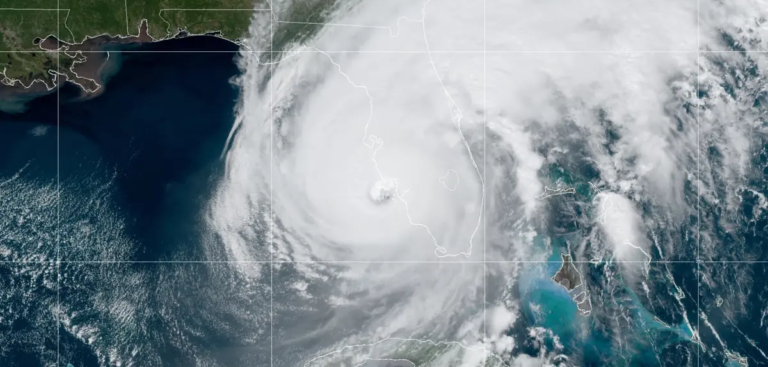
In recent years, there have been increasing losses from freshwater flooding associated with US landfalling hurricanes. Hurricanes produce intense rainfall which causes flash flooding, and this study looks at the impact across nine US states. In 2017, Hurricane Harvey caused more than US$100bn of mostly flood-related damages in the USA. In 2022, Hurricane Ian caused flood losses estimated at between US$8-18bn of which, around 50% are uninsured.

Previous ArticleNIWA’s snowline survey reveals continued loss of ice for New Zealand’s glaciers
Next Article Greenhouse gases continued to increase rapidly in 2022, NOAA reports

Read Similar Stories

Weather Instruments

R.M. Young Company reengineers SNOdar snow-depth sensor

May 21, 20262 Mins Read
Climate Measurement

Cloud measurement campaign targets improved climate model accuracy

May 20, 20263 Mins Read
Videos

VIDEO: Meteosat-12 imagery over Europe and Africa made available via YouTube streams

May 19, 20262 Mins Read
Latest News

R.M. Young Company reengineers SNOdar snow-depth sensor

May 21, 2026

SMILE mission launches to study Earth’s magnetic shield and space weather

May 20, 2026

Cloud measurement campaign targets improved climate model accuracy

May 20, 2026

Receive breaking stories and features in your inbox each week, for free


Enter your email address:


Supplier Spotlights
  • EUMETSAT
Getting in Touch
  • Contact Us / Advertise
  • Meet the Editors
  • Media Pack
  • Free Weekly E-Newsletter
Our Social Channels
  • Facebook
  • LinkedIn
© 2026 UKi Media & Events a division of UKIP Media & Events Ltd
  • Cookie Policy
  • Privacy Policy
  • Terms and Conditions
  • Notice and Takedown Policy

Type above and press Enter to search. Press Esc to cancel.