


Close Menu
Meteorological Technology International
  • News
    • A-E
      • Agriculture
      • Automated Weather Stations
      • Aviation
      • Climate Measurement
      • Data
      • Developing Countries
      • Digital Applications
      • Early Warning Systems
      • Extreme Weather
    • G-P
      • Hydrology
      • Lidar
      • Lightning Detection
      • New Appointments
      • Nowcasting
      • Numerical Weather Prediction
      • Polar Weather
    • R-S
      • Radar
      • Rainfall
      • Remote Sensing
      • Renewable Energy
      • Satellites
      • Solar
      • Space Weather
      • Supercomputers
    • T-Z
      • Training
      • Transport
      • Weather Instruments
      • Wind
      • World Meteorological Organization
      • Meteorological Technology World Expo
  • Features
  • Online Magazines
    • January 2026
    • April 2025
    • January 2025
    • September 2024
    • April 2024
    • Archive Issues
    • Subscribe Free!
  • Opinion
  • Videos
  • Supplier Spotlight
  • Expo
LinkedIn X (Twitter) Facebook
  • Sign-up for Free Weekly E-Newsletter
  • Meet the Editors
  • Contact Us
  • Media Pack
LinkedIn Facebook
Subscribe
Meteorological Technology International
  • News
      • Agriculture
      • Automated Weather Stations
      • Aviation
      • Climate Measurement
      • Data
      • Developing Countries
      • Digital Applications
      • Early Warning Systems
      • Extreme Weather
      • Hydrology
      • Lidar
      • Lightning Detection
      • New Appointments
      • Nowcasting
      • Numerical Weather Prediction
      • Polar Weather
      • Radar
      • Rainfall
      • Remote Sensing
      • Renewable Energy
      • Satellites
      • Solar
      • Space Weather
      • Supercomputers
      • Training
      • Transport
      • Weather Instruments
      • Wind
      • World Meteorological Organization
      • Meteorological Technology World Expo
  • Features
  • Online Magazines
    1. January 2026
    2. September 2025
    3. April 2025
    4. January 2025
    5. September 2024
    6. April 2024
    7. January 2024
    8. September 2023
    9. April 2023
    10. Archive Issues
    11. Subscribe Free!
    Featured
    November 27, 2025

    In this Issue – January 2026

    By Hazel KingNovember 27, 2025
    Recent

    In this Issue – January 2026

    November 27, 2025

    In this Issue – September 2025

    August 11, 2025

    In this Issue – April 2025

    April 15, 2025
  • Opinion
  • Videos
  • Supplier Spotlight
  • Expo
Facebook LinkedIn
Subscribe
Meteorological Technology International
Climate Measurement

University of Reading students to deploy radiosondes to investigate summer storms

Dan SymondsBy Dan SymondsJune 13, 20232 Mins Read
Share LinkedIn Facebook Twitter Email
Share
LinkedIn Facebook Twitter Email

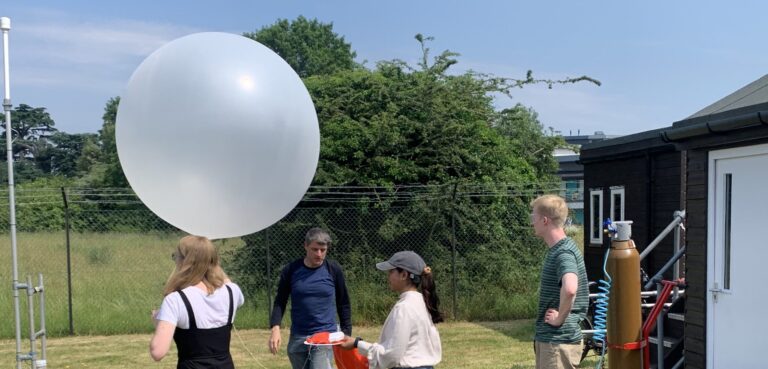
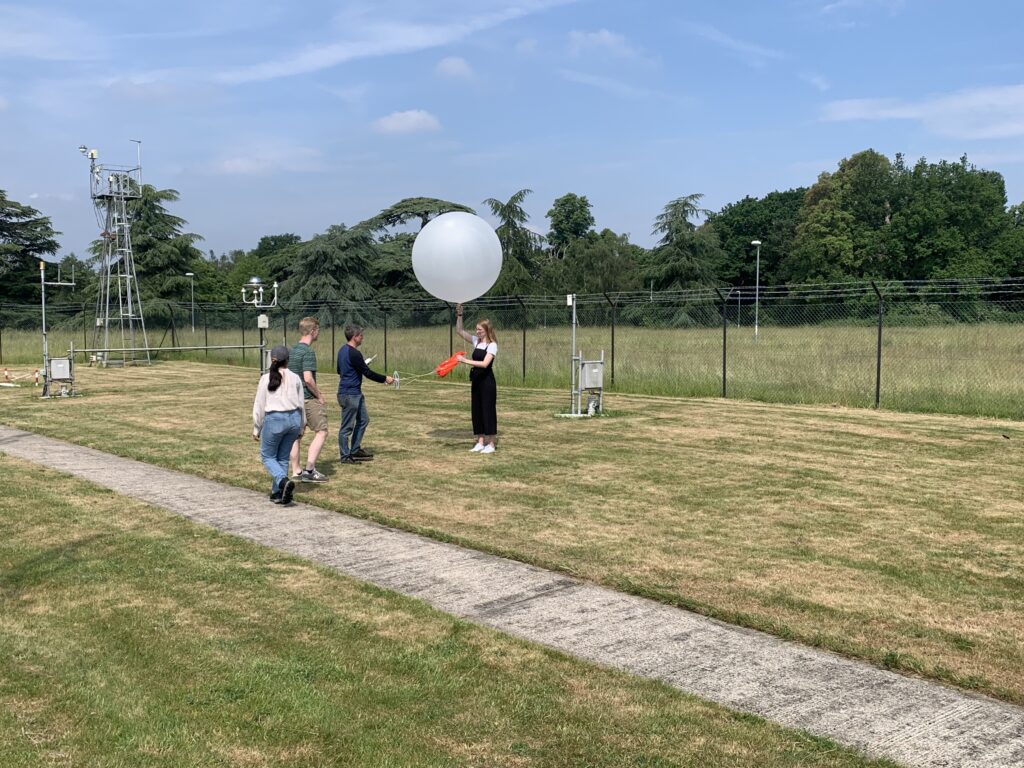
Cloud experts and students from the University of Reading will launch a squadron of balloons to help improve forecasts of sudden rain showers in the UK.

The newly funded £2.7m (US$3.4m) WesCon – Observing the Evolving Structures of Turbulence (WOEST) project will focus on improving forecasts for spontaneous summer showers and thunderstorms, and working out why sometimes big clouds do not mean heavy rain and why at other times rain appears with little warning.

Thorwald Stein, research lead and associate professor from the department of meteorology at the University of Reading, said, “We know from previous British summers that heavy rain can sometimes appear unexpectedly, so our goal is to predict the unpredictable.

“Forecast uncertainty is not only annoying for planning your day, but it also has big impacts on the economy and society. Heavy rain and thunderstorms means events are cancelled or postponed, transport is impacted and lives are put at risk. We want to improve our forecasts to make sure people are safe and are able to go about their everyday lives.”

The University of Reading is one of five institutions taking part in the wider £11m (US$13.8m) scheme, which will focus on improving the understanding of air and cloud movements caused by fluctuations in wind, temperature and humidity.

Their projects will link with the Met Office’s Wessex Convection Experiment (WesCon), which will collect observations of summer convection, a process that drives cloud formation and can produce heavy rainfall and thunderstorms. Reading’s scientists will be remotely operating the world’s largest steerable meteorological radar based at Chilbolton to track and scan storms in real time, and guiding research aircraft to target the most promising clouds for measurements.

Staff and student volunteers will also be launching eight radiosondes per day on 15 occasions during the summer. They will be used to obtain vertical profiles of wind, temperature and humidity. This information will help researchers understand how clouds grow to greater heights and produce heavier rainfall.
Previous ArticleKentucky expands mesonet network with new observation tower
Next Article AGU publishes special collection of wildfire studies

Read Similar Stories

Data

Atmospheric G2 secures Japan weather forecasting license

April 21, 20262 Mins Read
Climate Measurement

China completes Antarctic meteorological research mission with Xuelong icebreaker

April 21, 20262 Mins Read
Radar

EWR Radar Systems wins US Air Force contract for portable Doppler radar support

April 20, 20262 Mins Read
Latest News

Extreme heat posing significant risks to ecosystems and agriculture, FAO-WMO report warns

April 22, 2026

Atmospheric G2 secures Japan weather forecasting license

April 21, 2026

China completes Antarctic meteorological research mission with Xuelong icebreaker

April 21, 2026

Receive breaking stories and features in your inbox each week, for free


Enter your email address:


Supplier Spotlights
  • Raymetrics
Getting in Touch
  • Contact Us / Advertise
  • Meet the Editors
  • Media Pack
  • Free Weekly E-Newsletter
Our Social Channels
  • Facebook
  • LinkedIn
© 2026 UKi Media & Events a division of UKIP Media & Events Ltd
  • Cookie Policy
  • Privacy Policy
  • Terms and Conditions
  • Notice and Takedown Policy

Type above and press Enter to search. Press Esc to cancel.