


Close Menu
Meteorological Technology International
  • News
    • A-E
      • Agriculture
      • Automated Weather Stations
      • Aviation
      • Climate Measurement
      • Data
      • Developing Countries
      • Digital Applications
      • Early Warning Systems
      • Extreme Weather
    • G-P
      • Hydrology
      • Lidar
      • Lightning Detection
      • New Appointments
      • Nowcasting
      • Numerical Weather Prediction
      • Polar Weather
    • R-S
      • Radar
      • Rainfall
      • Remote Sensing
      • Renewable Energy
      • Satellites
      • Solar
      • Space Weather
      • Supercomputers
    • T-Z
      • Training
      • Transport
      • Weather Instruments
      • Wind
      • World Meteorological Organization
      • Meteorological Technology World Expo
  • Features
  • Online Magazines
    • January 2026
    • April 2025
    • January 2025
    • September 2024
    • April 2024
    • Archive Issues
    • Subscribe Free!
  • Opinion
  • Videos
  • Supplier Spotlight
  • Expo
LinkedIn X (Twitter) Facebook
  • Sign-up for Free Weekly E-Newsletter
  • Meet the Editors
  • Contact Us
  • Media Pack
LinkedIn Facebook
Subscribe
Meteorological Technology International
  • News
      • Agriculture
      • Automated Weather Stations
      • Aviation
      • Climate Measurement
      • Data
      • Developing Countries
      • Digital Applications
      • Early Warning Systems
      • Extreme Weather
      • Hydrology
      • Lidar
      • Lightning Detection
      • New Appointments
      • Nowcasting
      • Numerical Weather Prediction
      • Polar Weather
      • Radar
      • Rainfall
      • Remote Sensing
      • Renewable Energy
      • Satellites
      • Solar
      • Space Weather
      • Supercomputers
      • Training
      • Transport
      • Weather Instruments
      • Wind
      • World Meteorological Organization
      • Meteorological Technology World Expo
  • Features
  • Online Magazines
    1. January 2026
    2. September 2025
    3. April 2025
    4. January 2025
    5. September 2024
    6. April 2024
    7. January 2024
    8. September 2023
    9. April 2023
    10. Archive Issues
    11. Subscribe Free!
    Featured
    November 27, 2025

    In this Issue – January 2026

    By Hazel KingNovember 27, 2025
    Recent

    In this Issue – January 2026

    November 27, 2025

    In this Issue – September 2025

    August 11, 2025

    In this Issue – April 2025

    April 15, 2025
  • Opinion
  • Videos
  • Supplier Spotlight
  • Expo
Facebook LinkedIn
Subscribe
Meteorological Technology International
Early Warning Systems

Baron launches toolkit to identify risk of flash flooding up to two hours in advance

Dan SymondsBy Dan SymondsSeptember 16, 20222 Mins Read
Share LinkedIn Facebook Twitter Email
Share
LinkedIn Facebook Twitter Email

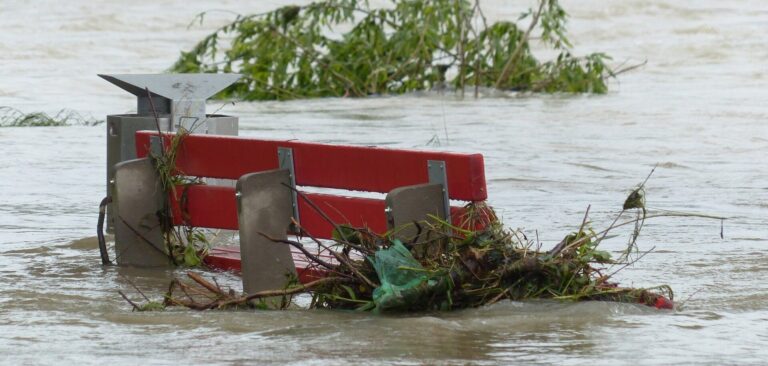
Weather intelligence specialist Baron Weather has developed a high-resolution, flash flood risk solution that identifies the risk of flash flooding as much as two hours in advance and provides notices to mitigate damage and prevent the potential loss of life.

Baron’s flash flood risk system uses existing radar data and several Baron meteorological products along with advances in extreme event statistical assessment to measure the threat of flash flooding within two hours’ time.

The radar data, which is used to forecast the future, integrates historical information on land surface characteristics such as soil moisture and runoff. Recent rainfall rates and short-term modeling are also used to determine the impact on the land surface itself to gauge flood risk.

“The variables that lead to a flash flood event are always unique,” said Bob Dreisewerd, CEO of Baron Weather. “Preparing for a sudden weather emergency, such as a flash flood, requires a multi-faceted approach. Baron’s technology for identifying flash flooding in advance cuts through the noise when critical decisions need to be made quickly.”

Baron has an extensive catalog of weather data including data sets that facilitate the detection and dissemination of impactful weather hazards. It also has a long history of hydrological analysis and is a partner in the newly formed Cooperative Institute for Research to Operations in Hydrology (CIROH) program funded by NOAA. The new flash flood risk guidance is available for display as a layer in ESRI platforms and integration into software applications via an easy-to-use API.

Previous ArticleHeat risk mapping should adopt a more personal and hyperlocal approach, finds study
Next Article The world’s most important meteorological event of the year – opens next week!

Read Similar Stories

Early Warning Systems

China expands MAZU early warning system for developing countries

April 30, 20262 Mins Read
Climate Measurement

Regional training aims to improve flood forecasting in Central Africa

April 1, 20263 Mins Read
Early Warning Systems

European Commission sets out strategy to address growing wildfire risk

March 31, 20263 Mins Read
Latest News

China expands MAZU early warning system for developing countries

April 30, 2026

Météo-France begins construction of France’s tallest weather radar tower in Sembadel

April 29, 2026

ForecastWatch expands with launch of new independent platform for weather forecast verification

April 28, 2026

Receive breaking stories and features in your inbox each week, for free


Enter your email address:


Supplier Spotlights
  • ZX Lidars
Getting in Touch
  • Contact Us / Advertise
  • Meet the Editors
  • Media Pack
  • Free Weekly E-Newsletter
Our Social Channels
  • Facebook
  • LinkedIn
© 2026 UKi Media & Events a division of UKIP Media & Events Ltd
  • Cookie Policy
  • Privacy Policy
  • Terms and Conditions
  • Notice and Takedown Policy

Type above and press Enter to search. Press Esc to cancel.