


Close Menu
Meteorological Technology International
  • News
    • A-E
      • Agriculture
      • Automated Weather Stations
      • Aviation
      • Climate Measurement
      • Data
      • Developing Countries
      • Digital Applications
      • Early Warning Systems
      • Extreme Weather
    • G-P
      • Hydrology
      • Lidar
      • Lightning Detection
      • New Appointments
      • Nowcasting
      • Numerical Weather Prediction
      • Polar Weather
    • R-S
      • Radar
      • Rainfall
      • Remote Sensing
      • Renewable Energy
      • Satellites
      • Solar
      • Space Weather
      • Supercomputers
    • T-Z
      • Training
      • Transport
      • Weather Instruments
      • Wind
      • World Meteorological Organization
      • Meteorological Technology World Expo
  • Features
  • Online Magazines
    • January 2026
    • April 2025
    • January 2025
    • September 2024
    • April 2024
    • Archive Issues
    • Subscribe Free!
  • Opinion
  • Videos
  • Supplier Spotlight
  • Expo
LinkedIn X (Twitter) Facebook
  • Sign-up for Free Weekly E-Newsletter
  • Meet the Editors
  • Contact Us
  • Media Pack
LinkedIn Facebook
Subscribe
Meteorological Technology International
  • News
      • Agriculture
      • Automated Weather Stations
      • Aviation
      • Climate Measurement
      • Data
      • Developing Countries
      • Digital Applications
      • Early Warning Systems
      • Extreme Weather
      • Hydrology
      • Lidar
      • Lightning Detection
      • New Appointments
      • Nowcasting
      • Numerical Weather Prediction
      • Polar Weather
      • Radar
      • Rainfall
      • Remote Sensing
      • Renewable Energy
      • Satellites
      • Solar
      • Space Weather
      • Supercomputers
      • Training
      • Transport
      • Weather Instruments
      • Wind
      • World Meteorological Organization
      • Meteorological Technology World Expo
  • Features
  • Online Magazines
    1. January 2026
    2. September 2025
    3. April 2025
    4. January 2025
    5. September 2024
    6. April 2024
    7. January 2024
    8. September 2023
    9. April 2023
    10. Archive Issues
    11. Subscribe Free!
    Featured
    November 27, 2025

    In this Issue – January 2026

    By Hazel KingNovember 27, 2025
    Recent

    In this Issue – January 2026

    November 27, 2025

    In this Issue – September 2025

    August 11, 2025

    In this Issue – April 2025

    April 15, 2025
  • Opinion
  • Videos
  • Supplier Spotlight
  • Expo
Facebook LinkedIn
Subscribe
Meteorological Technology International
Early Warning Systems

Final workshop held for EU-backed flood management improvement initiative

Dan SymondsBy Dan SymondsMay 17, 20223 Mins Read
Share LinkedIn Facebook Twitter Email
Credit: Pixabay
Share
LinkedIn Facebook Twitter Email

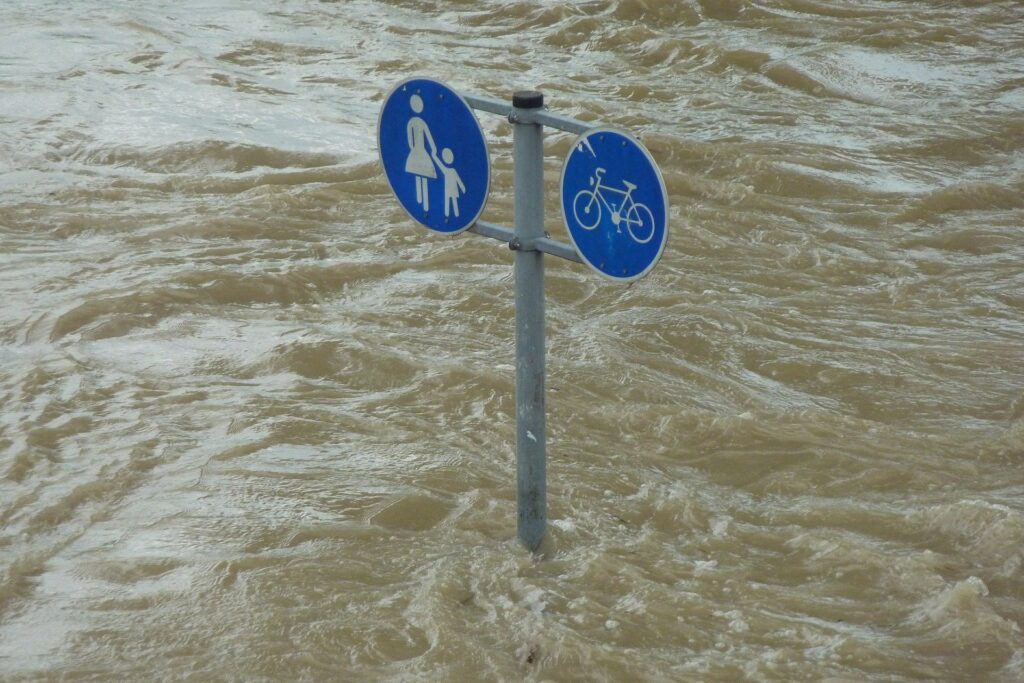
A delegation from the European Centre for Medium-Range Weather Forecasts (ECMWF) has taken part in the final workshop of an EU-funded initiative to create better tools for the management of floods, especially in smaller rivers where current pan-European forecasting capacities are limited.

The Advanced Tools for pro-Active Management of Impacts and Risks Induced by Convective Weather, Heavy Rain and Flash floods in Europe (TAMIR) project has been coordinated by the Finnish Meteorological Institute (FMI), with outcomes of the project being built into the EU’s Copernicus Emergency Management Service (CEMS). The final workshop, held in Helsinki, Finland, on May 4 and 5, included 85 participants.

Annakaisa von Lerber, researcher at FMI, said, “TAMIR has enabled innovative, comprehensive and far-reaching research and development. ECMWF had an essential role in the development of products, for example in blending nowcasts and model forecasts seamlessly together and developing the methodology for combining the exposure layers for probabilistic impact products.”

ECMWF has experience of blending radar data on precipitation with numerical weather prediction (NWP) data and also acts as the Hydrological Forecast Computational Centre for CEMS. Ellie Hansford, an ECMWF scientist who took part in the workshop, said, “We provided expertise in this field and developed a flood forecasting operational suite to complement existing products of the CEMS European Flood Awareness System (EFAS).”

TAMIR has a standalone platform, but the goal is to include some TAMIR tools in the EFAS Information System, developed and operated by ECMWF. A key activity of TAMIR has been the translation of hazard forecasts, such as of rain and flooding, into impact forecasts. “Hazard forecasts on their own are of limited use unless you help people make impact-based decisions,” added Hansford.

‘Impact’ can be understood as ‘hazard’ combined with the ‘exposure’ within the spatial footprint of the hazard. One of ECMWF’s contributions to TAMIR was to operationalize the ‘exposure’ concept. As part of this, it was necessary to define with users what socio-economic assets should be considered within the concept of exposure.

“We asked end users to make suggestions and came up with population, health care, education, transport and energy as key concepts to account for exposure,” said Hansford. “Once we’d developed the initial products and run some case studies, we sent out a short survey to ask end users for feedback.”

Questions concerned the general design and how usable the tools were. These then went through several iterations to make them as useful as possible. ECMWF is now developing the prototype processing chain for the TAMIR products to be generated in near real time. These near-real-time products will become available via the EFAS website as well as web services.

In addition to FMI, other participants in TAMIR are the Spanish Polytechnic University of Catalonia (UPC), and the Kymenlaakso Rescue Department, a local Finnish firefighting service, which provided feedback on some of the products.

“This EU project has been very useful for developing new products to complement the services we provide as part of CEMS,” says Christel Prudhomme, ECMWF’s environmental forecasts team leader. “The work started in TAMIR will continue so that we can provide new European flood-related services.”

Previous ArticleEUMETSAT opens latest satellite ground station in Switzerland
Next Article Reduction in anthropogenic air pollution linked to increase in hurricane activity

Read Similar Stories

Agriculture

Extreme heat posing significant risks to ecosystems and agriculture, FAO-WMO report warns

April 22, 20263 Mins Read
Extreme Weather

AI model improves real-time prediction of wildfire spread

April 16, 20263 Mins Read
Climate Measurement

Study identifies atmospheric trigger behind flash droughts in Puerto Rico

April 15, 20263 Mins Read
Latest News

Extreme heat posing significant risks to ecosystems and agriculture, FAO-WMO report warns

April 22, 2026

Atmospheric G2 secures Japan weather forecasting license

April 21, 2026

China completes Antarctic meteorological research mission with Xuelong icebreaker

April 21, 2026

Receive breaking stories and features in your inbox each week, for free


Enter your email address:


Supplier Spotlights
  • GAMIC GmbH
Getting in Touch
  • Contact Us / Advertise
  • Meet the Editors
  • Media Pack
  • Free Weekly E-Newsletter
Our Social Channels
  • Facebook
  • LinkedIn
© 2026 UKi Media & Events a division of UKIP Media & Events Ltd
  • Cookie Policy
  • Privacy Policy
  • Terms and Conditions
  • Notice and Takedown Policy

Type above and press Enter to search. Press Esc to cancel.