


Close Menu
Meteorological Technology International
  • News
    • A-E
      • Agriculture
      • Automated Weather Stations
      • Aviation
      • Climate Measurement
      • Data
      • Developing Countries
      • Digital Applications
      • Early Warning Systems
      • Extreme Weather
    • G-P
      • Hydrology
      • Lidar
      • Lightning Detection
      • New Appointments
      • Nowcasting
      • Numerical Weather Prediction
      • Polar Weather
    • R-S
      • Radar
      • Rainfall
      • Remote Sensing
      • Renewable Energy
      • Satellites
      • Solar
      • Space Weather
      • Supercomputers
    • T-Z
      • Training
      • Transport
      • Weather Instruments
      • Wind
      • World Meteorological Organization
      • Meteorological Technology World Expo
  • Features
  • Online Magazines
    • January 2026
    • April 2025
    • January 2025
    • September 2024
    • April 2024
    • Archive Issues
    • Subscribe Free!
  • Opinion
  • Videos
  • Supplier Spotlight
  • Expo
LinkedIn X (Twitter) Facebook
  • Sign-up for Free Weekly E-Newsletter
  • Meet the Editors
  • Contact Us
  • Media Pack
LinkedIn Facebook
Subscribe
Meteorological Technology International
  • News
      • Agriculture
      • Automated Weather Stations
      • Aviation
      • Climate Measurement
      • Data
      • Developing Countries
      • Digital Applications
      • Early Warning Systems
      • Extreme Weather
      • Hydrology
      • Lidar
      • Lightning Detection
      • New Appointments
      • Nowcasting
      • Numerical Weather Prediction
      • Polar Weather
      • Radar
      • Rainfall
      • Remote Sensing
      • Renewable Energy
      • Satellites
      • Solar
      • Space Weather
      • Supercomputers
      • Training
      • Transport
      • Weather Instruments
      • Wind
      • World Meteorological Organization
      • Meteorological Technology World Expo
  • Features
  • Online Magazines
    1. January 2026
    2. September 2025
    3. April 2025
    4. January 2025
    5. September 2024
    6. April 2024
    7. January 2024
    8. September 2023
    9. April 2023
    10. Archive Issues
    11. Subscribe Free!
    Featured
    November 27, 2025

    In this Issue – January 2026

    By Hazel KingNovember 27, 2025
    Recent

    In this Issue – January 2026

    November 27, 2025

    In this Issue – September 2025

    August 11, 2025

    In this Issue – April 2025

    April 15, 2025
  • Opinion
  • Videos
  • Supplier Spotlight
  • Expo
Facebook LinkedIn
Subscribe
Meteorological Technology International
Satellites

EUMETSAT opens latest satellite ground station in Switzerland

Dan SymondsBy Dan SymondsMay 13, 20222 Mins Read
Share LinkedIn Facebook Twitter Email
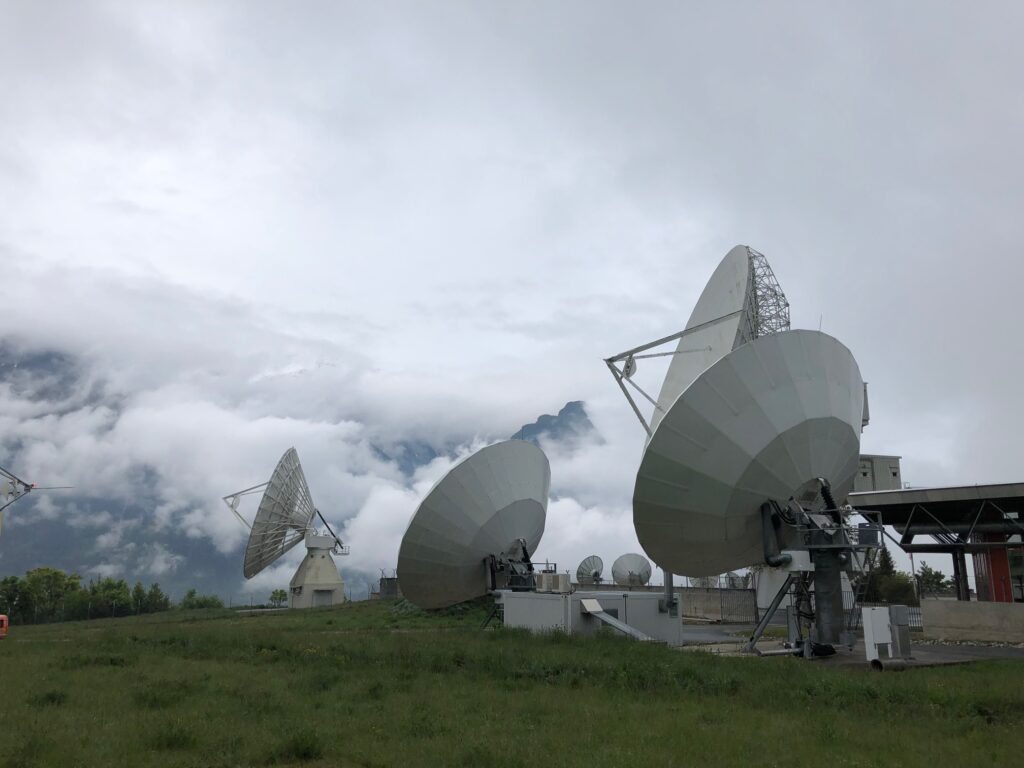
New satellite ground station in Valais, Switzerland
Share
LinkedIn Facebook Twitter Email

The European Organisation for the Exploitation of Meteorological Satellites (EUMETSAT) has inaugurated a new satellite ground station in Valais, Switzerland.

The organization plans to launch the first of its new Meteosat Third Generation (MTG) weather satellites in late 2022, providing new opportunities for the development of meteorological and climatological data and products.

According to EUMETSAT, future satellite data will make it possible to monitor thunderstorm activity in a matter of seconds, optimize the potential of using solar energy and review the quality of numerical weather prediction models, among other benefits.

With the latest generation of satellites, EUMETSAT estimates that the volume of available data will be more than 10 times today’s levels. Following the launch of the first satellite, the Valais station with its three 6.5m antennas will receive huge volumes of meteorological data every minute, which it will forward to EUMETSAT in Darmstadt, Germany.

Commenting on the launch of the new ground station, Marco Gaia, head of the MeteoSwiss Regional Centre South, said, “We are looking forward to receiving more frequent satellite data from MTG that will allow us to gain critical minutes when forecasting thunderstorms, which can save lives, particularly when the thunderstorms are severe.

“The lightning imager, an instrument that hasn’t been flown yet on any of the previous Meteosat satellites, will enable forecasters to monitor the atmosphere in the middle of the Atlantic Ocean. This is critical information for pilots flying to the USA and important for Switzerland because the weather here is very much influenced by the atmospheric conditions over the Atlantic.”

Previous ArticleNOAA releases first images from GOES-18 satellite
Next Article Final workshop held for EU-backed flood management improvement initiative

Read Similar Stories

Agriculture

Extreme heat posing significant risks to ecosystems and agriculture, FAO-WMO report warns

April 22, 20263 Mins Read
Space Weather

Northumbria University secures £4m to study Earth’s radiation belts

April 16, 20262 Mins Read
Extreme Weather

AI model improves real-time prediction of wildfire spread

April 16, 20263 Mins Read
Latest News

Extreme heat posing significant risks to ecosystems and agriculture, FAO-WMO report warns

April 22, 2026

Atmospheric G2 secures Japan weather forecasting license

April 21, 2026

China completes Antarctic meteorological research mission with Xuelong icebreaker

April 21, 2026

Receive breaking stories and features in your inbox each week, for free


Enter your email address:


Supplier Spotlights
  • GAMIC GmbH
Getting in Touch
  • Contact Us / Advertise
  • Meet the Editors
  • Media Pack
  • Free Weekly E-Newsletter
Our Social Channels
  • Facebook
  • LinkedIn
© 2026 UKi Media & Events a division of UKIP Media & Events Ltd
  • Cookie Policy
  • Privacy Policy
  • Terms and Conditions
  • Notice and Takedown Policy

Type above and press Enter to search. Press Esc to cancel.