

Close Menu
Meteorological Technology International
  • News
    • A-E
      • Agriculture
      • Automated Weather Stations
      • Aviation
      • Climate Measurement
      • Data
      • Developing Countries
      • Digital Applications
      • Early Warning Systems
      • Extreme Weather
    • G-P
      • Hydrology
      • Lidar
      • Lightning Detection
      • New Appointments
      • Nowcasting
      • Numerical Weather Prediction
      • Polar Weather
    • R-S
      • Radar
      • Rainfall
      • Remote Sensing
      • Renewable Energy
      • Satellites
      • Solar
      • Space Weather
      • Supercomputers
    • T-Z
      • Training
      • Transport
      • Weather Instruments
      • Wind
      • World Meteorological Organization
      • Meteorological Technology World Expo
  • Features
  • Online Magazines
    • January 2026
    • April 2025
    • January 2025
    • September 2024
    • April 2024
    • Archive Issues
    • Subscribe Free!
  • Opinion
  • Videos
  • Supplier Spotlight
  • Expo
LinkedIn X (Twitter) Facebook
  • Sign-up for Free Weekly E-Newsletter
  • Meet the Editors
  • Contact Us
  • Media Pack
LinkedIn Facebook
Subscribe
Meteorological Technology International
  • News
      • Agriculture
      • Automated Weather Stations
      • Aviation
      • Climate Measurement
      • Data
      • Developing Countries
      • Digital Applications
      • Early Warning Systems
      • Extreme Weather
      • Hydrology
      • Lidar
      • Lightning Detection
      • New Appointments
      • Nowcasting
      • Numerical Weather Prediction
      • Polar Weather
      • Radar
      • Rainfall
      • Remote Sensing
      • Renewable Energy
      • Satellites
      • Solar
      • Space Weather
      • Supercomputers
      • Training
      • Transport
      • Weather Instruments
      • Wind
      • World Meteorological Organization
      • Meteorological Technology World Expo
  • Features
  • Online Magazines
    1. January 2026
    2. September 2025
    3. April 2025
    4. January 2025
    5. September 2024
    6. April 2024
    7. January 2024
    8. September 2023
    9. April 2023
    10. Archive Issues
    11. Subscribe Free!
    Featured
    November 27, 2025

    In this Issue – January 2026

    By Hazel KingNovember 27, 2025
    Recent

    In this Issue – January 2026

    November 27, 2025

    In this Issue – September 2025

    August 11, 2025

    In this Issue – April 2025

    April 15, 2025
  • Opinion
  • Videos
  • Supplier Spotlight
  • Expo
Facebook LinkedIn
Subscribe
Meteorological Technology International
Early Warning Systems

Flash flood warning app for Southeastern Europe

Lawrence ButcherBy Lawrence ButcherSeptember 2, 20202 Mins Read
Share LinkedIn Facebook Twitter Email
Share
LinkedIn Facebook Twitter Email

Flash floods are hydrometeorological phenomena with enough power to change the course of rivers, bury houses in mud, and sweep away or destroy whatever is in their path in a very short time after the observable causative event, and as such their prediction presents a considerable challenge to forecasters. To address this, the Flash Flood Guidance System (FFGS) has been designed and developed under the remit of the WMO (World Meteorological Organization) for use by meteorological and hydrological forecasters throughout the world.

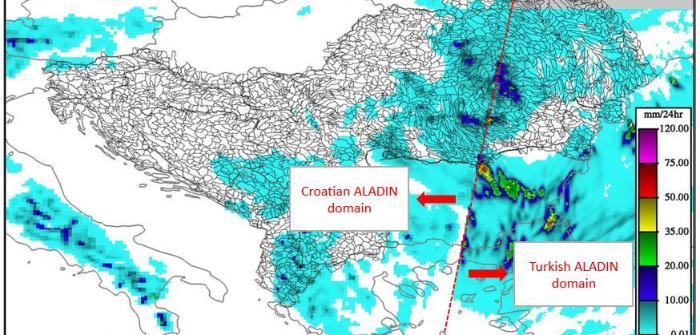
In order to support the daily operational work of Southeast European (SEE) forecasters and assist participating national meteorological and hydrological services (NMHSs) in issuing flash flood warnings, the Turkish State Meteorological Service (TSMS) has developed an application that generates email alerts once the SEEFFGS indicates positive flash flood threats, and alerts forecasters on their cell phones and via email.

The hope is that the app will furnish forecasters with accurate information about the possibility of flash flood occurrence and their location (county and sub-basin), with sufficient lead time to issue effective warnings.

“With FFGS email alerts, all interested parties will be in a position to have valuable information at their disposal that is essential for issuing timely and accurate flash flood warnings,” said Jelena Jerinic, chief of hydrological forecasting unit, Republic Hydrometeorological Service of Serbia.

“In the situation of the coronavirus outbreak, this is a valuable opportunity to share information quickly about potentially vulnerable flash flood regions as an output from the FFGS. Thanks to TSMS to create this very helpful application. The email alarm system is especially useful and easy to use. It significantly simplifies and speeds up the flow of information to the forecasters and from forecasters to the decision makers when issuing alerts.”

Previous ArticleSpecialist training sessions for meteorology professionals
Next Article MOSAiC completes first Arctic aerial survey flights since coronavirus outbreak

Read Similar Stories

Early Warning Systems

China expands MAZU early warning system for developing countries

April 30, 20262 Mins Read
Climate Measurement

Study identifies atmospheric trigger behind flash droughts in Puerto Rico

April 15, 20263 Mins Read
Climate Measurement

Regional training aims to improve flood forecasting in Central Africa

April 1, 20263 Mins Read
Latest News

Researchers investigate links between air pollution, extreme weather and climate

May 1, 2026

China expands MAZU early warning system for developing countries

April 30, 2026

Météo-France begins construction of France’s tallest weather radar tower in Sembadel

April 29, 2026

Receive breaking stories and features in your inbox each week, for free


Enter your email address:


Supplier Spotlights
  • Synoptic Data PBC
Getting in Touch
  • Contact Us / Advertise
  • Meet the Editors
  • Media Pack
  • Free Weekly E-Newsletter
Our Social Channels
  • Facebook
  • LinkedIn
© 2026 UKi Media & Events a division of UKIP Media & Events Ltd
  • Cookie Policy
  • Privacy Policy
  • Terms and Conditions
  • Notice and Takedown Policy

Type above and press Enter to search. Press Esc to cancel.