


Climate change made both the devastating drought in the Horn of Africa and the record April temperatures in the Western Mediterranean at least 100 times more likely, according to two new scientific reports. The studies add to the weight of evidence about the huge socio-economic impact of heat-trapping greenhouse gases, as highlighted in the WMO’s State of the Global Climate reports.
World Weather Attribution, which brings together scientists associated with the WMO community, said the April 2023 heat in Portugal, Morocco and Algeria (which was more typical of August) would have been almost impossible without climate change. Regarding the Horn of Africa, it said that the drought was made much more severe because of the low rainfall and increased evaporation caused by higher temperatures in a world that is now nearly 1.2°C warmer than in pre-industrial times.
In late April 2023, parts of southwestern Europe and North Africa experienced a massive heat wave that brought extremely high temperatures never previously recorded in the region at that time of the year, with temperatures reaching 36.9-41°C in the four countries. The event broke temperature records by a large margin, against the backdrop of an intense drought. Across the world, climate change has made heat waves more common, longer and hotter.
Dr Fatima Driouech, associate professor at the Mohammed VI Polytechnic University and a prominent expert on the WMO’s technical climate commissions, said, “The intense heat wave came on top of a preexisting multi-year drought, exacerbating the lack of water in Western Mediterranean regions and threatening the 2023 crop yield. As the planet warms, these situations will become more frequent and call for long-term planning, including implementing sustainable agricultural models and effective water management policies.”
To quantify the effect of climate change on these high temperatures, scientists analyzed weather data and computer model simulations to compare the climate as it is today – after about 1.2°C of global warming since the late 1800s – with the climate of the past. The analysis looked at the average of the maximum temperature for three consecutive days in April across southern Spain and Portugal, most of Morocco and the northwest part of Algeria. The researchers found that climate change made the heat wave at least 100 times more likely, with temperatures up to 3.5°C hotter than they would have been without climate change.
The researchers commented, “As other analyses of extreme heat in Europe have found, extreme temperatures are increasing faster in the region than climate models have predicted, a question that is currently under intense research. Until overall greenhouse gas emissions are halted, global temperatures will continue to increase and events like these will become more frequent and severe.”
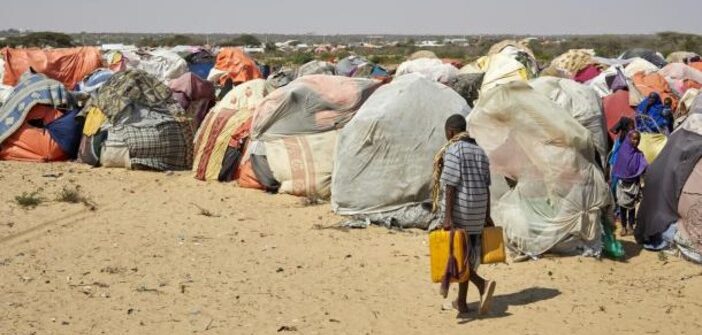
The study was conducted by 10 researchers as part of the World Weather Attribution group, including scientists from universities and meteorological agencies in France, Morocco, the Netherlands and the UK. A separate attribution study published on April 27, 2023, looked at the multi-year drought that has hit one of the world’s most impoverished regions and triggered acute food insecurity for more than four million people. Researchers looked at the role of temperature and whether human-induced climate change was a driver of the low rainfall. The team found that, as a result of human-induced climate change, the combination of low rainfall and high evapotranspiration as unusual as the recent conditions would not have led to drought at all in a 1.2°C cooler world.
The World Weather Attribution scientists stated, “Climate change has made events like the current drought much stronger and more likely; a conservative estimate is that such droughts have become about 100 times more likely.”
State fragility and conflict, as well as the length of the drought, played a significant role in worsening outcomes, especially for people in Somalia. The severity of impacts linked to the long duration of the drought also raises serious questions about the length of droughts that government drought management systems and the international aid infrastructure should be prepared to handle in the future.
For more on extreme weather, please click here.