


Close Menu
Meteorological Technology International
  • News
    • A-E
      • Agriculture
      • Automated Weather Stations
      • Aviation
      • Climate Measurement
      • Data
      • Developing Countries
      • Digital Applications
      • Early Warning Systems
      • Extreme Weather
    • G-P
      • Hydrology
      • Lidar
      • Lightning Detection
      • New Appointments
      • Nowcasting
      • Numerical Weather Prediction
      • Polar Weather
    • R-S
      • Radar
      • Rainfall
      • Remote Sensing
      • Renewable Energy
      • Satellites
      • Solar
      • Space Weather
      • Supercomputers
    • T-Z
      • Training
      • Transport
      • Weather Instruments
      • Wind
      • World Meteorological Organization
      • Meteorological Technology World Expo
  • Features
  • Online Magazines
    • January 2026
    • April 2025
    • January 2025
    • September 2024
    • April 2024
    • Archive Issues
    • Subscribe Free!
  • Opinion
  • Videos
  • Supplier Spotlight
  • Expo
LinkedIn X (Twitter) Facebook
  • Sign-up for Free Weekly E-Newsletter
  • Meet the Editors
  • Contact Us
  • Media Pack
LinkedIn Facebook
Subscribe
Meteorological Technology International
  • News
      • Agriculture
      • Automated Weather Stations
      • Aviation
      • Climate Measurement
      • Data
      • Developing Countries
      • Digital Applications
      • Early Warning Systems
      • Extreme Weather
      • Hydrology
      • Lidar
      • Lightning Detection
      • New Appointments
      • Nowcasting
      • Numerical Weather Prediction
      • Polar Weather
      • Radar
      • Rainfall
      • Remote Sensing
      • Renewable Energy
      • Satellites
      • Solar
      • Space Weather
      • Supercomputers
      • Training
      • Transport
      • Weather Instruments
      • Wind
      • World Meteorological Organization
      • Meteorological Technology World Expo
  • Features
  • Online Magazines
    1. April 2026
    2. January 2026
    3. September 2025
    4. April 2025
    5. January 2025
    6. September 2024
    7. April 2024
    8. January 2024
    9. Archive Issues
    10. Subscribe Free!
    Featured
    May 5, 2026

    In this Issue – April 2026

    By Web TeamMay 5, 2026
    Recent

    In this Issue – April 2026

    May 5, 2026

    In this Issue – January 2026

    November 27, 2025

    In this Issue – September 2025

    August 11, 2025
  • Opinion
  • Videos
  • Supplier Spotlight
  • Expo
Facebook LinkedIn
Subscribe
Meteorological Technology International
Extreme Weather

Exposure to wildfire smoke linked to faster glacier melt

Dan SymondsBy Dan SymondsMay 11, 20222 Mins Read
Share LinkedIn Facebook Twitter Email
Credit: Pixabay
Share
LinkedIn Facebook Twitter Email

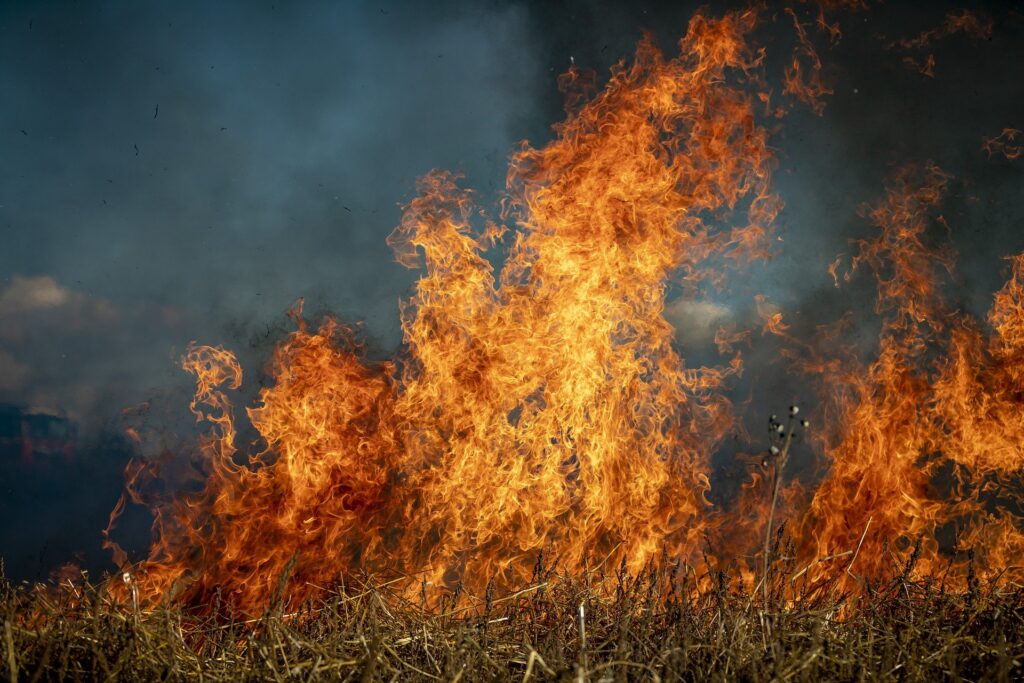
A study by researchers from the University of Saskatchewan (USask), Saskatoon, Canada, has found that exposure to wildfire smoke can cause glaciers to melt faster, affecting mountain runoff.

From 2015-2020, a team of USask hydrology researchers observed each melting season at the Athabasca Glacier, part of the Columbia Icefield in Jasper National Park, Alberta. Based on fire activity that year, they analyzed the accumulation of soot and ash on the glacier and the effects of solar activity that causes glaciers to melt.

In years with increased fire activity, wildfire smoke left ash and soot deposits on the glacier ice, causing it to darken and to melt much faster. The surface of the glacier stayed dark even once the fire season had passed, as microbial life likely used the soot as a source of food and reproduced at a faster rate during this time, the report said.

The weather also played a part in the effects on glacier melt. Smoky days are warmer and drier than sunny days and contain less solar energy. On sunny days, the darker ice had a 10% increase in its melting rate. Conversely, if smoke was present in the air, the ice was preserved due to the decreased amount of sun reaching the glacier surface.

Dr. John Pomeroy, study co-author and Canada research chair in Water Resources and Climate Change and director of the Centre for Hydrology, said, “It’s incredible how we can connect the dots about climate change like this. We see droughts causing fires, fires forming huge plumes of smoke and ash, the ash covering the glaciers, and the glaciers melting at increasing rates because of the fires.

“These glaciers are our savings account for water for the future and a crucial part of a UNESCO world heritage site landscape in the Rockies, so this is troubling to see,” he said. “It is useful however to now perceive the interconnections between wildfire and glacier melt and to better understand how climate influences both. This will improve our hydrological modeling of mountain water resources here and around the world.”

To view the study published in the AGU journal Earth’s Future, click here.

Previous ArticleSix AGU members appointed to US Climate Security Roundtable
Next Article COP26 initiative launches climate resilience technology in Jamaica

Read Similar Stories

Solar

IKEA uses 20 years of solar data to identify Sweden’s sunniest square meter

June 8, 20262 Mins Read
Oceans

VIDEO: Sentinel-6 satellite detects El Niño precursor in Pacific

June 4, 20262 Mins Read
Nowcasting

Colorado State University and Nvidia partner to extend severe storm prediction lead times

June 2, 20262 Mins Read
Latest News

IKEA uses 20 years of solar data to identify Sweden’s sunniest square meter

June 8, 2026

VIDEO: Sentinel-6 satellite detects El Niño precursor in Pacific

June 4, 2026

New forecasting framework targets solar-limb flare blind spot

June 4, 2026

Receive breaking stories and features in your inbox each week, for free


Enter your email address:


Supplier Spotlights
  • Meteomatics AG
Getting in Touch
  • Contact Us / Advertise
  • Meet the Editors
  • Media Pack
  • Free Weekly E-Newsletter
Our Social Channels
  • Facebook
  • LinkedIn
© 2026 UKi Media & Events a division of UKIP Media & Events Ltd
  • Cookie Policy
  • Privacy Policy
  • Terms and Conditions
  • Notice and Takedown Policy

Type above and press Enter to search. Press Esc to cancel.