


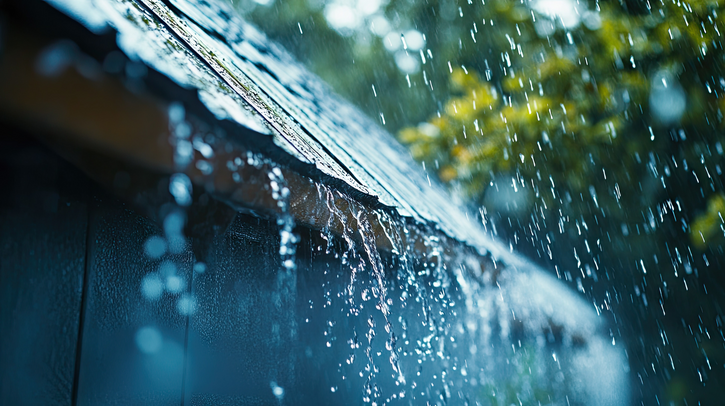
A new study from the University of Adelaide has revealed an increase in intense, rapid downpours lasting between 10-60 minutes in the Greater Adelaie region in Australia.
The Analysis of changes in rainfall events in South Australia study, conducted through the Goyder Institute for Water Research and funded by the South Australian Department for Environment and Water, examined decades of data from local weather stations to determine how these high-intensity, short-duration rainfall events have changed over time.
The research showed that these short, sharp rainfall events were becoming more intense – rain is falling in sharper bursts than before – but that yearly rainfall totals were decreasing, meaning the drought conditions are likely to occur more frequently in the future.
Lead researcher Dr Mark Thyer, associate professor in civil and environmental engineering at the University of Adelaide, explained, “Climate scientists have been predicting for a long time that we need to get ready for more floods and droughts in the future. This study shows we can now see these changes in rainfall observations in the Adelaide region. There are more intense short storms and less average annual rainfall.
“This research also confirms what people in the community have been saying – it rains less often, but when it does, the rain is much more intense, adding to the evidence that climate change is no longer a prediction of the future – it is happening now.
“South Australia, being the driest state in the driest continent, has always been good at adapting to climate variability. We need to continue to innovate and invest in smarter, adaptive approaches for water management to provide resilience to a more variable future climate.”
Data key to infrastructure planning
According to the researchers, understanding the impact of these intensifying rainfall patterns is vital for future flood planning and stormwater management so that the infrastructure is resilient to these future changes.
The outcomes of this local study align with the recommendations of the recently updated climate change guidance in the national guidelines for flood estimation, Australian Rainfall and Runoff.
Authorities and planners are encouraged to evaluate site-specific risks and plan in line with the national guidelines, particularly how these potential rainfall changes could impact existing and future stormwater systems.
Investing in science
The researchers also said that as rainfall changes continue to affect Adelaide’s water management, the best opportunity to understand these changes is by combining data from local weather stations with cutting-edge rainfall radar and climate models.
Dr Alec Rolston, director of the Goyder Institute for Water Research, commented, “Our climate is changing, and water is at the forefront of everything we do including our state’s development in terms of how much water is available, its quality and how we manage it. This important research is showing that we are likely to see more frequent intense shorter downpours and less rainfall over longer periods.
“Adelaide, as well as other regions in South Australia and beyond, must think about how water is managed within urban and regional catchments and whether our systems can cope with the expected future changes in rainfall. Investing in the science to underpin our future decision-making is critical for our state’s development.”
In related news, a CU Boulder-led study has revealed that some of the rainiest places on Earth, including the Amazon rainforest, could see their annual precipitation nearly halved if climate change continues to alter the Atlantic Ocean’s current. Read the full story