


Close Menu
Meteorological Technology International
  • News
    • A-E
      • Agriculture
      • Automated Weather Stations
      • Aviation
      • Climate Measurement
      • Data
      • Developing Countries
      • Digital Applications
      • Early Warning Systems
      • Extreme Weather
    • G-P
      • Hydrology
      • Lidar
      • Lightning Detection
      • New Appointments
      • Nowcasting
      • Numerical Weather Prediction
      • Polar Weather
    • R-S
      • Radar
      • Rainfall
      • Remote Sensing
      • Renewable Energy
      • Satellites
      • Solar
      • Space Weather
      • Supercomputers
    • T-Z
      • Training
      • Transport
      • Weather Instruments
      • Wind
      • World Meteorological Organization
      • Meteorological Technology World Expo
  • Features
  • Online Magazines
    • January 2026
    • April 2025
    • January 2025
    • September 2024
    • April 2024
    • Archive Issues
    • Subscribe Free!
  • Opinion
  • Videos
  • Supplier Spotlight
  • Expo
LinkedIn X (Twitter) Facebook
  • Sign-up for Free Weekly E-Newsletter
  • Meet the Editors
  • Contact Us
  • Media Pack
LinkedIn Facebook
Subscribe
Meteorological Technology International
  • News
      • Agriculture
      • Automated Weather Stations
      • Aviation
      • Climate Measurement
      • Data
      • Developing Countries
      • Digital Applications
      • Early Warning Systems
      • Extreme Weather
      • Hydrology
      • Lidar
      • Lightning Detection
      • New Appointments
      • Nowcasting
      • Numerical Weather Prediction
      • Polar Weather
      • Radar
      • Rainfall
      • Remote Sensing
      • Renewable Energy
      • Satellites
      • Solar
      • Space Weather
      • Supercomputers
      • Training
      • Transport
      • Weather Instruments
      • Wind
      • World Meteorological Organization
      • Meteorological Technology World Expo
  • Features
  • Online Magazines
    1. April 2026
    2. January 2026
    3. September 2025
    4. April 2025
    5. January 2025
    6. September 2024
    7. April 2024
    8. January 2024
    9. Archive Issues
    10. Subscribe Free!
    Featured
    May 5, 2026

    In this Issue – April 2026

    By Web TeamMay 5, 2026
    Recent

    In this Issue – April 2026

    May 5, 2026

    In this Issue – January 2026

    November 27, 2025

    In this Issue – September 2025

    August 11, 2025
  • Opinion
  • Videos
  • Supplier Spotlight
  • Expo
Facebook LinkedIn
Subscribe
Meteorological Technology International
Extreme Weather

Heatwaves in South Asia to affect up to half-a-billion people under current trajectory

Dan SymondsBy Dan SymondsJuly 5, 20223 Mins Read
Share LinkedIn Facebook Twitter Email
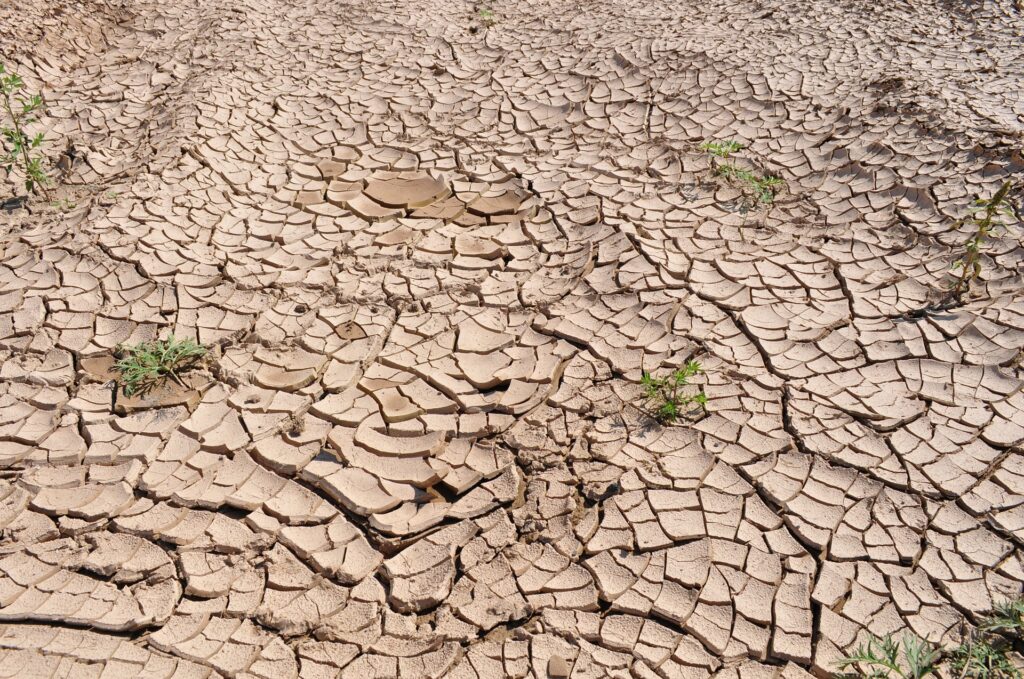
Credit: Pixabay
Share
LinkedIn Facebook Twitter Email

Heatwaves in India and Pakistan are expected to increase for the rest of the century, affecting up to half a billion people every year, according to a new study from researchers at the University of Gothenburg, Sweden.

In India and Pakistan, heatwaves with temperatures above 40° in the shade are a life-threatening form of extreme weather. Published in the journal Earth’s Future, the study has outlined different scenarios for the consequences of heatwaves in South Asia to the year 2100.

Deliang Chen, professor of physical meteorology at the University of Gothenburg and one of the authors of the article, said, “We established a link between extreme heat and population. In the best scenario, we succeeded in meeting the targets in the Paris Agreement, which added roughly two heatwaves per year, exposing about 200 million people to the heatwaves. But if countries continue to contribute to the greenhouse effect as they are still doing now, clearing and building on land that is actually helping to lower global temperatures, we believe that there could be as many as five more heatwaves per year, with more than half a billion people being exposed to them, by the end of the century.”

Population growth drives emissions

The study identifies the Indo-Gigantic Plains beside the Indus and Ganges rivers as particularly vulnerable. This is a region of high temperatures, and it is densely populated. Deliang Chen points out that the link between heatwaves and population works in both directions. The size of the population affects the number of future heatwaves. A larger population drives emissions up as consumption and transportation increase. Urban planning is also important. If new towns and villages are built in places that are less subject to heatwaves, the number of people affected can be reduced.

“We hope that the leaders in the region such as India and Pakistan read our report and think about it,” said Chen. “In our calculation model, the range for the number of people who will be exposed to heatwaves is large. The actual numbers will depend on the path that these countries choose to take in their urban planning. It is future greenhouse gas and particulate emissions that will determine how many people are actually exposed. We can more than halve the population exposed to intense heatwaves if we reduce emissions so that we reach the targets in the Paris Agreement. Both mitigation and adaptation measures can make a huge difference.”

Heatwaves are already causing major problems in India and Pakistan. Farmers have been hit hard when drought and heat has caused their wheat crops to fail, and their crops have moved to higher altitudes to escape the extreme heat. But this move has resulted in large acreages of trees being cleared, trees that have contributed to lowering temperatures.

“With a larger population, land use increases, which in itself can drive up temperatures further. Each heatwave will result in increased mortality and decreased productivity, since few people can work in 45-degree heat. I fear that if nothing is done, it can ultimately lead to a huge wave of migrations,” added Chen.

To read the study Future Population Exposure to Daytime and Nighttime Heat Waves in South Asia, click here.

Previous ArticleAGU opposes US Supreme Court decision to limit EPA powers on carbon emissions
Next Article VIDEO: ECMWF launches animation of digital twin component for Destination Earth

Read Similar Stories

Climate Measurement

Cloud measurement campaign targets improved climate model accuracy

May 20, 20263 Mins Read
Videos

VIDEO: Meteosat-12 imagery over Europe and Africa made available via YouTube streams

May 19, 20262 Mins Read
Extreme Weather

Impacts of extreme weather and rising temperatures intensify across Latin America and Caribbean

May 15, 20263 Mins Read
Latest News

R.M. Young Company reengineers SNOdar snow-depth sensor

May 21, 2026

SMILE mission launches to study Earth’s magnetic shield and space weather

May 20, 2026

Cloud measurement campaign targets improved climate model accuracy

May 20, 2026

Receive breaking stories and features in your inbox each week, for free


Enter your email address:


Supplier Spotlights
  • ZOGLAB Microsystem Co., Ltd
Getting in Touch
  • Contact Us / Advertise
  • Meet the Editors
  • Media Pack
  • Free Weekly E-Newsletter
Our Social Channels
  • Facebook
  • LinkedIn
© 2026 UKi Media & Events a division of UKIP Media & Events Ltd
  • Cookie Policy
  • Privacy Policy
  • Terms and Conditions
  • Notice and Takedown Policy

Type above and press Enter to search. Press Esc to cancel.