


Close Menu
Meteorological Technology International
  • News
    • A-E
      • Agriculture
      • Automated Weather Stations
      • Aviation
      • Climate Measurement
      • Data
      • Developing Countries
      • Digital Applications
      • Early Warning Systems
      • Extreme Weather
    • G-P
      • Hydrology
      • Lidar
      • Lightning Detection
      • New Appointments
      • Nowcasting
      • Numerical Weather Prediction
      • Polar Weather
    • R-S
      • Radar
      • Rainfall
      • Remote Sensing
      • Renewable Energy
      • Satellites
      • Solar
      • Space Weather
      • Supercomputers
    • T-Z
      • Training
      • Transport
      • Weather Instruments
      • Wind
      • World Meteorological Organization
      • Meteorological Technology World Expo
  • Features
  • Online Magazines
    • January 2026
    • April 2025
    • January 2025
    • September 2024
    • April 2024
    • Archive Issues
    • Subscribe Free!
  • Opinion
  • Videos
  • Supplier Spotlight
  • Expo
LinkedIn X (Twitter) Facebook
  • Sign-up for Free Weekly E-Newsletter
  • Meet the Editors
  • Contact Us
  • Media Pack
LinkedIn Facebook
Subscribe
Meteorological Technology International
  • News
      • Agriculture
      • Automated Weather Stations
      • Aviation
      • Climate Measurement
      • Data
      • Developing Countries
      • Digital Applications
      • Early Warning Systems
      • Extreme Weather
      • Hydrology
      • Lidar
      • Lightning Detection
      • New Appointments
      • Nowcasting
      • Numerical Weather Prediction
      • Polar Weather
      • Radar
      • Rainfall
      • Remote Sensing
      • Renewable Energy
      • Satellites
      • Solar
      • Space Weather
      • Supercomputers
      • Training
      • Transport
      • Weather Instruments
      • Wind
      • World Meteorological Organization
      • Meteorological Technology World Expo
  • Features
  • Online Magazines
    1. January 2026
    2. September 2025
    3. April 2025
    4. January 2025
    5. September 2024
    6. April 2024
    7. January 2024
    8. September 2023
    9. April 2023
    10. Archive Issues
    11. Subscribe Free!
    Featured
    November 27, 2025

    In this Issue – January 2026

    By Hazel KingNovember 27, 2025
    Recent

    In this Issue – January 2026

    November 27, 2025

    In this Issue – September 2025

    August 11, 2025

    In this Issue – April 2025

    April 15, 2025
  • Opinion
  • Videos
  • Supplier Spotlight
  • Expo
Facebook LinkedIn
Subscribe
Meteorological Technology International
Extreme Weather

NOAA predicts active 2021 Atlantic hurricane season

Helen NormanBy Helen NormanMay 24, 20213 Mins Read
Share LinkedIn Facebook Twitter Email
Hurricane
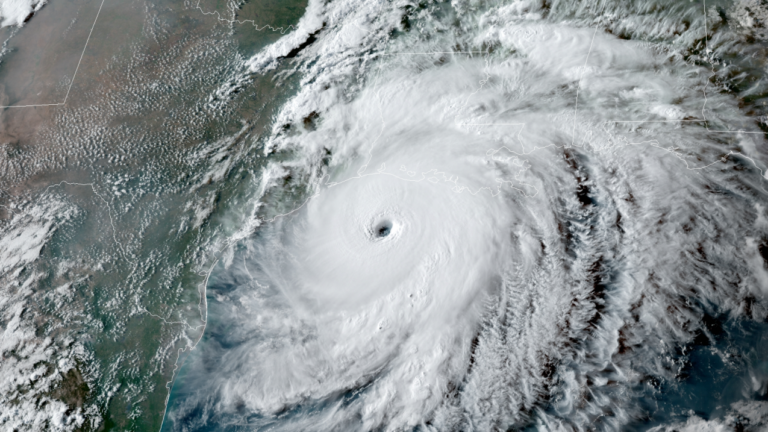
NOAA’s GOES-East satellite captured this image of Hurricane Laura on August 26, 2020 as it approached the Gulf Coast
Share
LinkedIn Facebook Twitter Email

NOAA’s Climate Prediction Center is predicting an above-normal Atlantic hurricane season for 2021. Forecasters predict a 60% chance of an above-normal season, a 30% chance of a near-normal season and a 10% chance of a below-normal season.

However, experts do not anticipate the historic level of storm activity seen in 2020. The Atlantic hurricane season extends from June 1 to November 30.

For 2021, 13 to 20 named storms (winds of 39mph or higher) are expected, of which six to 10 could become hurricanes (winds of 74mph or higher), including three to five major hurricanes (category 3, 4 or 5; with winds of 111mph or higher).

US Secretary of Commerce, Gina Raimondo, said, “The experts at NOAA are poised to deliver life-saving early warnings and forecasts to communities, which will also help minimize the economic impacts of storms.”

Last month, NOAA updated the statistics used to determine when hurricane seasons are above, near or below average relative to the latest climate record. Based on this update, an average hurricane season produces 14 named storms, of which seven become hurricanes, including three major hurricanes.

“Although NOAA scientists don’t expect this season to be as busy as last year, it only takes one storm to devastate a community,” said Ben Friedman, acting NOAA administrator. “The forecasters at the National Hurricane Center are well prepared with significant upgrades to our computer models, emerging observation techniques and the expertise to deliver the life-saving forecasts that we all depend on during this, and every, hurricane season.”

NOAA has made several updates to products and services that will improve hurricane forecasting during the 2021 season. This includes the upgrade of its flagship Global Forecast System (GFS) to improve hurricane genesis forecasting and coupled GFS with a wave model extending ocean wave forecasts from 10 days out to 16 days. Additionally, Global Positioning Satellite Radio Occultation (GPS-RO) data is now included in the GFS model, providing an additional source of observations to strengthen overall model performance.

Forecasters at the National Hurricane Center are also now using an upgraded probabilistic storm surge model, known as P-Surge, which includes improved tropical cyclone wind structure and storm size information that offers better predictability and accuracy. This upgrade extends the lead time of P-Surge forecast guidance from 48 to 60 hours in situations where there is high confidence.

Furthermore, NOAA’s Atlantic Oceanographic and Meteorological Laboratory will deploy its largest array of air and water uncrewed systems to gather data designed to help improve hurricane intensity forecasts and forecast models. New drones will be launched from NOAA Hurricane Hunter aircraft that will fly into the lower part of hurricanes; in the ocean, sail drones, hurricane gliders, global drifters and air-deployable technology, called ALAMO floats, will track various parts of the lifecycle of tropical storms.

Watch the 2021 Atlantic Hurricane Season Outlook from NOAA here:

Previous ArticleNew EU project set to improve understanding of polar processes in the global climate system
Next Article EUMETSAT’s new DG talks next-generation satellites and embracing a balanced approach to innovation

Read Similar Stories

Extreme Weather

Researchers investigate links between air pollution, extreme weather and climate

May 1, 20262 Mins Read
Early Warning Systems

China expands MAZU early warning system for developing countries

April 30, 20262 Mins Read
Climate Measurement

European climate report highlights record heat, glacier loss and rising extremes

April 27, 20263 Mins Read
Latest News

Researchers investigate links between air pollution, extreme weather and climate

May 1, 2026

China expands MAZU early warning system for developing countries

April 30, 2026

Météo-France begins construction of France’s tallest weather radar tower in Sembadel

April 29, 2026

Receive breaking stories and features in your inbox each week, for free


Enter your email address:


Supplier Spotlights
  • EWR Radar Systems
Getting in Touch
  • Contact Us / Advertise
  • Meet the Editors
  • Media Pack
  • Free Weekly E-Newsletter
Our Social Channels
  • Facebook
  • LinkedIn
© 2026 UKi Media & Events a division of UKIP Media & Events Ltd
  • Cookie Policy
  • Privacy Policy
  • Terms and Conditions
  • Notice and Takedown Policy

Type above and press Enter to search. Press Esc to cancel.