


Close Menu
Meteorological Technology International
  • News
    • A-E
      • Agriculture
      • Automated Weather Stations
      • Aviation
      • Climate Measurement
      • Data
      • Developing Countries
      • Digital Applications
      • Early Warning Systems
      • Extreme Weather
    • G-P
      • Hydrology
      • Lidar
      • Lightning Detection
      • New Appointments
      • Nowcasting
      • Numerical Weather Prediction
      • Polar Weather
    • R-S
      • Radar
      • Rainfall
      • Remote Sensing
      • Renewable Energy
      • Satellites
      • Solar
      • Space Weather
      • Supercomputers
    • T-Z
      • Training
      • Transport
      • Weather Instruments
      • Wind
      • World Meteorological Organization
      • Meteorological Technology World Expo
  • Features
  • Online Magazines
    • January 2026
    • April 2025
    • January 2025
    • September 2024
    • April 2024
    • Archive Issues
    • Subscribe Free!
  • Opinion
  • Videos
  • Supplier Spotlight
  • Expo
LinkedIn X (Twitter) Facebook
  • Sign-up for Free Weekly E-Newsletter
  • Meet the Editors
  • Contact Us
  • Media Pack
LinkedIn Facebook
Subscribe
Meteorological Technology International
  • News
      • Agriculture
      • Automated Weather Stations
      • Aviation
      • Climate Measurement
      • Data
      • Developing Countries
      • Digital Applications
      • Early Warning Systems
      • Extreme Weather
      • Hydrology
      • Lidar
      • Lightning Detection
      • New Appointments
      • Nowcasting
      • Numerical Weather Prediction
      • Polar Weather
      • Radar
      • Rainfall
      • Remote Sensing
      • Renewable Energy
      • Satellites
      • Solar
      • Space Weather
      • Supercomputers
      • Training
      • Transport
      • Weather Instruments
      • Wind
      • World Meteorological Organization
      • Meteorological Technology World Expo
  • Features
  • Online Magazines
    1. April 2026
    2. January 2026
    3. September 2025
    4. April 2025
    5. January 2025
    6. September 2024
    7. April 2024
    8. January 2024
    9. Archive Issues
    10. Subscribe Free!
    Featured
    May 5, 2026

    In this Issue – April 2026

    By Web TeamMay 5, 2026
    Recent

    In this Issue – April 2026

    May 5, 2026

    In this Issue – January 2026

    November 27, 2025

    In this Issue – September 2025

    August 11, 2025
  • Opinion
  • Videos
  • Supplier Spotlight
  • Expo
Facebook LinkedIn
Subscribe
Meteorological Technology International
Digital Applications

USA to use artificial intelligence to better predict extreme weather in Hawai‘I

Elizabeth BakerBy Elizabeth BakerAugust 5, 20243 Mins Read
Share LinkedIn Facebook Twitter Email
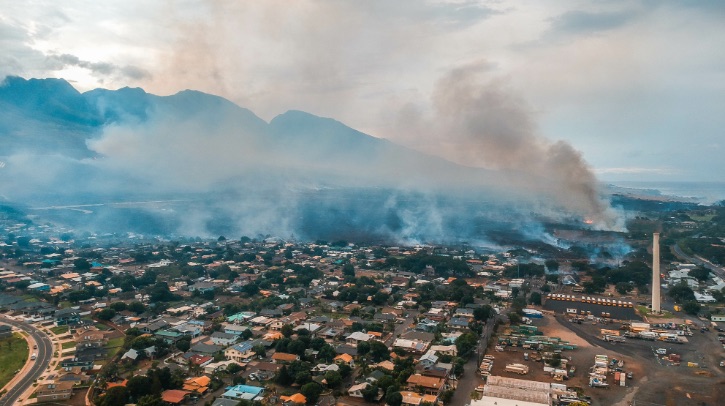
The Senate Commerce, Science and Transportation Committee has approved seven measures to improve fire weather forecasts and warnings in remote or rural areas in Hawai‘i and across the country and promote the use of artificial intelligence (AI) to better predict and respond to extreme weather.
Share
LinkedIn Facebook Twitter Email

The US Senate Commerce, Science, and Transportation Committee has approved seven measures to improve fire weather forecasts and warnings in remote or rural areas in Hawai‘i and across the country and promote the use of artificial intelligence (AI) to better predict and respond to extreme weather.

Improving fire weather forecasts

The measures were authored by US Senator Brian Schatz (D-Hawai‘i) and have been included as amendments to several bills. “By improving fire weather forecasts and warnings, we can save lives and communities,” said Senator Schatz, a member of the Senate Commerce, Science, and Transportation Committee. “The committee’s vote today (July 31) gets us one step closer to enacting life-saving measures that will improve weather forecasts and fire warnings in Hawai‘i and across the country. It also will help us realize AI’s full potential in a safe and responsible way.”

The seven provisions approved by the committee would mandate fire weather forecasts and warnings be disseminated to remote, isolated or rural communities as effectively as anywhere else in the USA. It would also look to strengthen weather forecasts with better data by directing the National Oceanic and Atmospheric Administration (NOAA) to establish and maintain a National Mesonet Program. As these weather observation data networks observe and track mesoscale weather events and local meteorological data – such as soil moisture and water levels, to better forecast weather, flood, fire and agricultural impacts – establishing the National Mesonet Program and outlining its objectives is expected to help address critical gaps in weather data and forecasting.

Artificial intelligence for extreme weather prediction

Additionally, Schatz’s TAME Extreme Weather Act amendment requires NOAA to adopt and implement AI technologies to better predict and respond to extreme weather. The measure also urges NOAA to consider how to recruit and retain the AI workforce of the future, creating new scientific and technical jobs.

The amendment would also award cash prizes to help encourage AI innovations. In particular, the amendment is expected to spur studies to help update or remove unnecessary regulations and enable positive deployments of AI technology to occur.

Finally, the provision would also build on Schatz’s Open, Public, Electronic and Necessary (OPEN) Government Data Act, which required that federal agencies by default publish their data in a machine-readable format. This amendment would ensure that the new, curated public data sets for AI systems that are included in the Future of AI Innovation Act build upon the foundation created by the OPEN Government Data Act. AI is only as useful as the data it’s trained on, and making government data safely available for AI means that AI can help solve important problems.

For more of the top insights into the future of artificial intelligence in weather forecasting, read the opinion piece by Sami Niemelä, director of the meteorological and marine science research program at the Finnish Meteorological Institute, here.

Previous ArticleThe world’s biggest event in meteorology, hydromet and environmental monitoring opens next month!
Next Article Stratospheric balloon travels from Sweden to Canada

Read Similar Stories

Nowcasting

Colorado State University and Nvidia partner to extend severe storm prediction lead times

June 2, 20262 Mins Read
Climate Measurement

WMO warns El Niño is developing with 80% certainty, urges preparation

June 2, 20263 Mins Read
Developing Countries

Tropical cyclones threaten energy security in Bangladesh, study finds

May 29, 20262 Mins Read
Latest News

IKEA uses 20 years of solar data to identify Sweden’s sunniest square meter

June 8, 2026

VIDEO: Sentinel-6 satellite detects El Niño precursor in Pacific

June 4, 2026

New forecasting framework targets solar-limb flare blind spot

June 4, 2026

Receive breaking stories and features in your inbox each week, for free


Enter your email address:


Supplier Spotlights
  • REMTECH
Getting in Touch
  • Contact Us / Advertise
  • Meet the Editors
  • Media Pack
  • Free Weekly E-Newsletter
Our Social Channels
  • Facebook
  • LinkedIn
© 2026 UKi Media & Events a division of UKIP Media & Events Ltd
  • Cookie Policy
  • Privacy Policy
  • Terms and Conditions
  • Notice and Takedown Policy

Type above and press Enter to search. Press Esc to cancel.