


Close Menu
Meteorological Technology International
  • News
    • A-E
      • Agriculture
      • Automated Weather Stations
      • Aviation
      • Climate Measurement
      • Data
      • Developing Countries
      • Digital Applications
      • Early Warning Systems
      • Extreme Weather
    • G-P
      • Hydrology
      • Lidar
      • Lightning Detection
      • New Appointments
      • Nowcasting
      • Numerical Weather Prediction
      • Polar Weather
    • R-S
      • Radar
      • Rainfall
      • Remote Sensing
      • Renewable Energy
      • Satellites
      • Solar
      • Space Weather
      • Supercomputers
    • T-Z
      • Training
      • Transport
      • Weather Instruments
      • Wind
      • World Meteorological Organization
      • Meteorological Technology World Expo
  • Features
  • Online Magazines
    • January 2026
    • April 2025
    • January 2025
    • September 2024
    • April 2024
    • Archive Issues
    • Subscribe Free!
  • Opinion
  • Videos
  • Supplier Spotlight
  • Expo
LinkedIn X (Twitter) Facebook
  • Sign-up for Free Weekly E-Newsletter
  • Meet the Editors
  • Contact Us
  • Media Pack
LinkedIn Facebook
Subscribe
Meteorological Technology International
  • News
      • Agriculture
      • Automated Weather Stations
      • Aviation
      • Climate Measurement
      • Data
      • Developing Countries
      • Digital Applications
      • Early Warning Systems
      • Extreme Weather
      • Hydrology
      • Lidar
      • Lightning Detection
      • New Appointments
      • Nowcasting
      • Numerical Weather Prediction
      • Polar Weather
      • Radar
      • Rainfall
      • Remote Sensing
      • Renewable Energy
      • Satellites
      • Solar
      • Space Weather
      • Supercomputers
      • Training
      • Transport
      • Weather Instruments
      • Wind
      • World Meteorological Organization
      • Meteorological Technology World Expo
  • Features
  • Online Magazines
    1. April 2026
    2. January 2026
    3. September 2025
    4. April 2025
    5. January 2025
    6. September 2024
    7. April 2024
    8. January 2024
    9. Archive Issues
    10. Subscribe Free!
    Featured
    May 5, 2026

    In this Issue – April 2026

    By Web TeamMay 5, 2026
    Recent

    In this Issue – April 2026

    May 5, 2026

    In this Issue – January 2026

    November 27, 2025

    In this Issue – September 2025

    August 11, 2025
  • Opinion
  • Videos
  • Supplier Spotlight
  • Expo
Facebook LinkedIn
Subscribe
Meteorological Technology International
Hydrology

NOC sensors to collect critical data from unseen ocean depths

Dan SymondsBy Dan SymondsDecember 16, 20223 Mins Read
Share LinkedIn Facebook Twitter Email
Share
LinkedIn Facebook Twitter Email

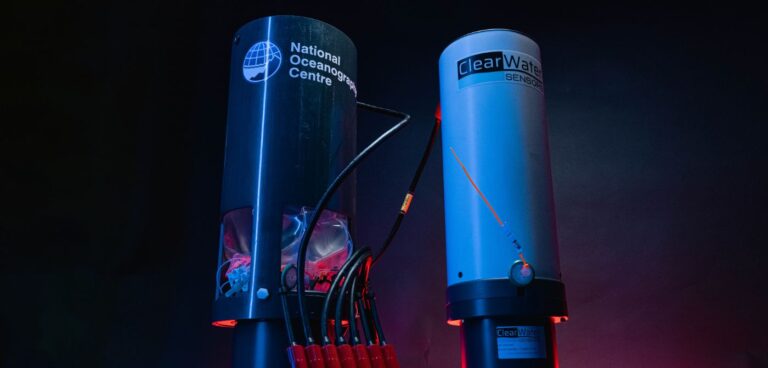
The Blue Ocean Research Alliance (BORA), a partnership between the National Oceanography Centre (NOC) and Subsea7, has launched the first in a series of remotely operated vehicles (ROVs) that contain the new BORAbox ocean monitoring sensor suite.

The sensors are currently collecting data on Subsea7 vessels in the South Atlantic, Brazil, and further launches are planned in Norway and further afield including Australia.

BORAbox, an integrated suite of sensors developed by NOC scientists, will measure several parameters to establish the total alkalinity – a measure of the water’s ability to resist a reduction in its pH level. The information gathered will feed into a global understanding of climate change and its impact on the oceans. As a result, the research will also be used to better predict how the oceans and weather systems will react over the coming decades.

Dr Carla Sands, BORA project manager from NOC, said, “This launch is an exciting moment for ocean research. So much of our ocean remains unexplored. This new technology allows us to dramatically increase our monitoring capabilities in areas of the ocean. By studying pH and alkalinity, we can dramatically inform future studies and help authorities around the world mitigate much more effectively the effects of climate change in the ocean.”

BORAbox will begin by monitoring temperature, salinity, depth and the carbonate system. These are vital measurements in helping to monitor the well-being of the oceans. The data will be analyzed by scientists where it will then be used to support further ocean observation studies and help to shape major global ocean health assessments. As the project expands with more launches from other locations, the new data represents a significant upgrade on what is presently available. Current observations may only span short distances and can often be out of date by the time it is accessible.

Sands added, “The need to have up-to-date information is critical given the dramatic increase in CO₂ currently being added to the atmosphere. Around 25% of man-made CO₂ such as fossil fuel burning gets absorbed by the ocean which helps to regulate CO₂ in the atmosphere. However, too much CO₂ in the ocean can cause it to acidify and damage plant and animal habitats.”

Liz James, Subsea7’s group environmental director, said, “Subsea7 is excited and committed to this dynamic and innovative relationship, bringing science and industry together, having now installed a BORAbox on our vessel, Seven Pacific, working in Brazil. We will be fitting further BORAboxes to our global fleet, enabling greater ocean access to scientific research and advancing global knowledge for the benefit of understanding the ocean, biodiversity and the impact from our operations on the environment.”

Previous ArticleNCAS funds installation of atmospheric monitoring sensor on commercial aircraft
Next Article NASA and CNES celebrate launch of Surface Water and Ocean Topography satellite

Read Similar Stories

Climate Measurement

Study identifies atmospheric trigger behind flash droughts in Puerto Rico

April 15, 20263 Mins Read
Climate Measurement

Regional training aims to improve flood forecasting in Central Africa

April 1, 20263 Mins Read
Rainfall

New research to improve flash flood warnings in rural Virginia

March 17, 20263 Mins Read
Latest News

G7 countries pledge additional funding for CREWS early warning initiative

May 7, 2026

Wildfires can create ‘burn scar heat islands’ that alter weather patterns, study finds

May 6, 2026

FEATURE: Local thunderstorm detection for real-time decision support

May 6, 2026

Receive breaking stories and features in your inbox each week, for free


Enter your email address:


Supplier Spotlights
  • Baron
Getting in Touch
  • Contact Us / Advertise
  • Meet the Editors
  • Media Pack
  • Free Weekly E-Newsletter
Our Social Channels
  • Facebook
  • LinkedIn
© 2026 UKi Media & Events a division of UKIP Media & Events Ltd
  • Cookie Policy
  • Privacy Policy
  • Terms and Conditions
  • Notice and Takedown Policy

Type above and press Enter to search. Press Esc to cancel.