


Close Menu
Meteorological Technology International
  • News
    • A-E
      • Agriculture
      • Automated Weather Stations
      • Aviation
      • Climate Measurement
      • Data
      • Developing Countries
      • Digital Applications
      • Early Warning Systems
      • Extreme Weather
    • G-P
      • Hydrology
      • Lidar
      • Lightning Detection
      • New Appointments
      • Nowcasting
      • Numerical Weather Prediction
      • Polar Weather
    • R-S
      • Radar
      • Rainfall
      • Remote Sensing
      • Renewable Energy
      • Satellites
      • Solar
      • Space Weather
      • Supercomputers
    • T-Z
      • Training
      • Transport
      • Weather Instruments
      • Wind
      • World Meteorological Organization
      • Meteorological Technology World Expo
  • Features
  • Online Magazines
    • January 2026
    • April 2025
    • January 2025
    • September 2024
    • April 2024
    • Archive Issues
    • Subscribe Free!
  • Opinion
  • Videos
  • Supplier Spotlight
  • Expo
LinkedIn X (Twitter) Facebook
  • Sign-up for Free Weekly E-Newsletter
  • Meet the Editors
  • Contact Us
  • Media Pack
LinkedIn Facebook
Subscribe
Meteorological Technology International
  • News
      • Agriculture
      • Automated Weather Stations
      • Aviation
      • Climate Measurement
      • Data
      • Developing Countries
      • Digital Applications
      • Early Warning Systems
      • Extreme Weather
      • Hydrology
      • Lidar
      • Lightning Detection
      • New Appointments
      • Nowcasting
      • Numerical Weather Prediction
      • Polar Weather
      • Radar
      • Rainfall
      • Remote Sensing
      • Renewable Energy
      • Satellites
      • Solar
      • Space Weather
      • Supercomputers
      • Training
      • Transport
      • Weather Instruments
      • Wind
      • World Meteorological Organization
      • Meteorological Technology World Expo
  • Features
  • Online Magazines
    1. April 2026
    2. January 2026
    3. September 2025
    4. April 2025
    5. January 2025
    6. September 2024
    7. April 2024
    8. January 2024
    9. Archive Issues
    10. Subscribe Free!
    Featured
    May 5, 2026

    In this Issue – April 2026

    By Web TeamMay 5, 2026
    Recent

    In this Issue – April 2026

    May 5, 2026

    In this Issue – January 2026

    November 27, 2025

    In this Issue – September 2025

    August 11, 2025
  • Opinion
  • Videos
  • Supplier Spotlight
  • Expo
Facebook LinkedIn
Subscribe
Meteorological Technology International
Oceans

Ocean modeling helps to understand spread of oyster virus

Dan SymondsBy Dan SymondsAugust 20, 20212 Mins Read
Share LinkedIn Facebook Twitter Email
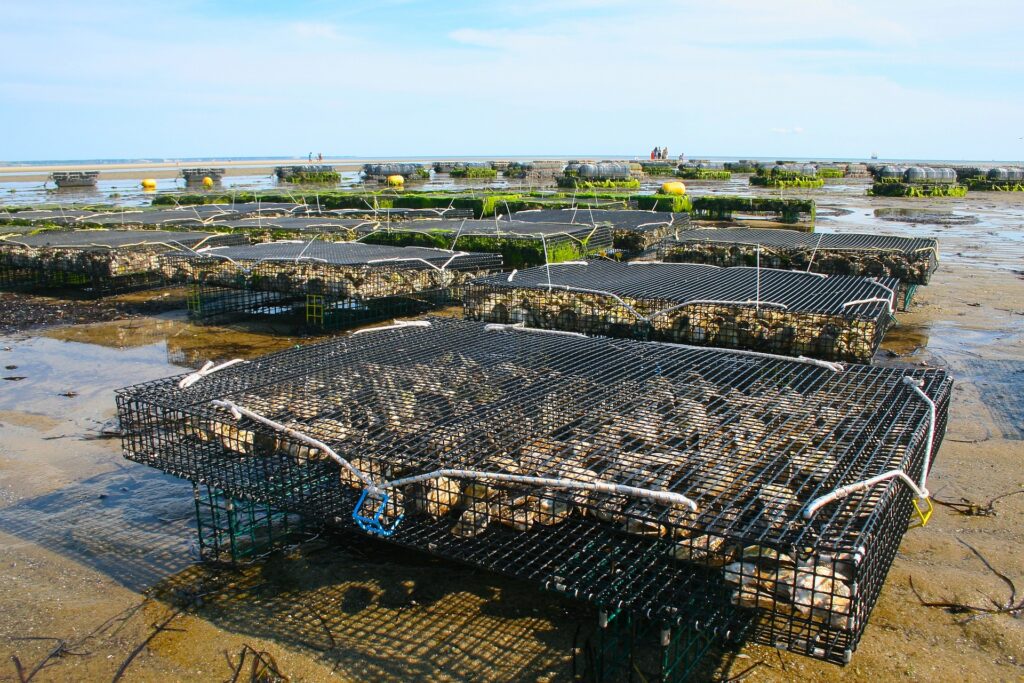
The Pacific Oyster Mortality Syndrome virus has a massive financial impact on the industry globally - credit: Pixabay
Share
LinkedIn Facebook Twitter Email

Australia’s Bureau of Meteorology (BoM) has been working with the South Australian Research and Development Institute (SARDI) to help better understand how the Pacific Oyster Mortality Syndrome (POMS) virus is spread between countries.

The POMS virus is highly infectious and causes mass mortality in Pacific oysters within days, resulting in millions of dollars’ worth of damage for oyster farmers. The POMS virus was first discovered in Europe but was detected in Australia in Sydney’s Georges River in 2010. Since then, it has spread to New South Wales, Tasmania and South Australia.

Funded by the Fisheries Research and Development Corporation, the project examined how viral particles move around with ocean currents. Understanding those currents gives valuable insight into how the virus could spread.

Frank Colberg, team leader for ocean modeling at BoM, said the research used a regional ocean model that covers parts of the Great Australian Bight to understand more about the movement of the virus.

“Our 10-year ocean model reanalysis gives an overview of relevant ocean properties, such as currents and temperatures,” he said. “We use model simulations that imitate the spread of the virus. We examine how far the particles are able to spread depending on tides and wind.

“We run the model several times to see what will happen to the spread of the virus in different situations and locations. We then provide this data to PIRSA who use it to understand the likelihood of the disease being transported to commercial oyster sites across different regions and seasons,” said Colberg.

PIRSA has now presented the information to the industry and will work with various organizations to update the South Australian disease response plan for POMS. The research also identified feral oyster populations around the state that are at risk of contracting the disease and spreading it to commercial farms. BoM has said that the modeling could be further developed for the benefit of other fishing and aquaculture sectors.

Previous ArticleResearchers develop methodology to predict impact of wildfire pollution on the ground
Next Article Earth Networks and NiMet to develop storm detection capabilities across Nigeria

Read Similar Stories

Oceans

VIDEO: Sentinel-6 satellite detects El Niño precursor in Pacific

June 4, 20262 Mins Read
Solar

New forecasting framework targets solar-limb flare blind spot

June 4, 20262 Mins Read
Satellites

SMILE mission launches to study Earth’s magnetic shield and space weather

May 20, 20263 Mins Read
Latest News

VIDEO: Sentinel-6 satellite detects El Niño precursor in Pacific

June 4, 2026

New forecasting framework targets solar-limb flare blind spot

June 4, 2026

Colorado State University and Nvidia partner to extend severe storm prediction lead times

June 2, 2026

Receive breaking stories and features in your inbox each week, for free


Enter your email address:


Supplier Spotlights
  • Meteomatics AG
Getting in Touch
  • Contact Us / Advertise
  • Meet the Editors
  • Media Pack
  • Free Weekly E-Newsletter
Our Social Channels
  • Facebook
  • LinkedIn
© 2026 UKi Media & Events a division of UKIP Media & Events Ltd
  • Cookie Policy
  • Privacy Policy
  • Terms and Conditions
  • Notice and Takedown Policy

Type above and press Enter to search. Press Esc to cancel.