


Close Menu
Meteorological Technology International
  • News
    • A-E
      • Agriculture
      • Automated Weather Stations
      • Aviation
      • Climate Measurement
      • Data
      • Developing Countries
      • Digital Applications
      • Early Warning Systems
      • Extreme Weather
    • G-P
      • Hydrology
      • Lidar
      • Lightning Detection
      • New Appointments
      • Nowcasting
      • Numerical Weather Prediction
      • Polar Weather
    • R-S
      • Radar
      • Rainfall
      • Remote Sensing
      • Renewable Energy
      • Satellites
      • Solar
      • Space Weather
      • Supercomputers
    • T-Z
      • Training
      • Transport
      • Weather Instruments
      • Wind
      • World Meteorological Organization
      • Meteorological Technology World Expo
  • Features
  • Online Magazines
    • January 2026
    • April 2025
    • January 2025
    • September 2024
    • April 2024
    • Archive Issues
    • Subscribe Free!
  • Opinion
  • Videos
  • Supplier Spotlight
  • Expo
LinkedIn X (Twitter) Facebook
  • Sign-up for Free Weekly E-Newsletter
  • Meet the Editors
  • Contact Us
  • Media Pack
LinkedIn Facebook
Subscribe
Meteorological Technology International
  • News
      • Agriculture
      • Automated Weather Stations
      • Aviation
      • Climate Measurement
      • Data
      • Developing Countries
      • Digital Applications
      • Early Warning Systems
      • Extreme Weather
      • Hydrology
      • Lidar
      • Lightning Detection
      • New Appointments
      • Nowcasting
      • Numerical Weather Prediction
      • Polar Weather
      • Radar
      • Rainfall
      • Remote Sensing
      • Renewable Energy
      • Satellites
      • Solar
      • Space Weather
      • Supercomputers
      • Training
      • Transport
      • Weather Instruments
      • Wind
      • World Meteorological Organization
      • Meteorological Technology World Expo
  • Features
  • Online Magazines
    1. January 2026
    2. September 2025
    3. April 2025
    4. January 2025
    5. September 2024
    6. April 2024
    7. January 2024
    8. September 2023
    9. April 2023
    10. Archive Issues
    11. Subscribe Free!
    Featured
    November 27, 2025

    In this Issue – January 2026

    By Hazel KingNovember 27, 2025
    Recent

    In this Issue – January 2026

    November 27, 2025

    In this Issue – September 2025

    August 11, 2025

    In this Issue – April 2025

    April 15, 2025
  • Opinion
  • Videos
  • Supplier Spotlight
  • Expo
Facebook LinkedIn
Subscribe
Meteorological Technology International
Hydrology

Study warns of increased water scarcity in 80% of croplands globally by 2050

Dan SymondsBy Dan SymondsMay 6, 20224 Mins Read
Share LinkedIn Facebook Twitter Email
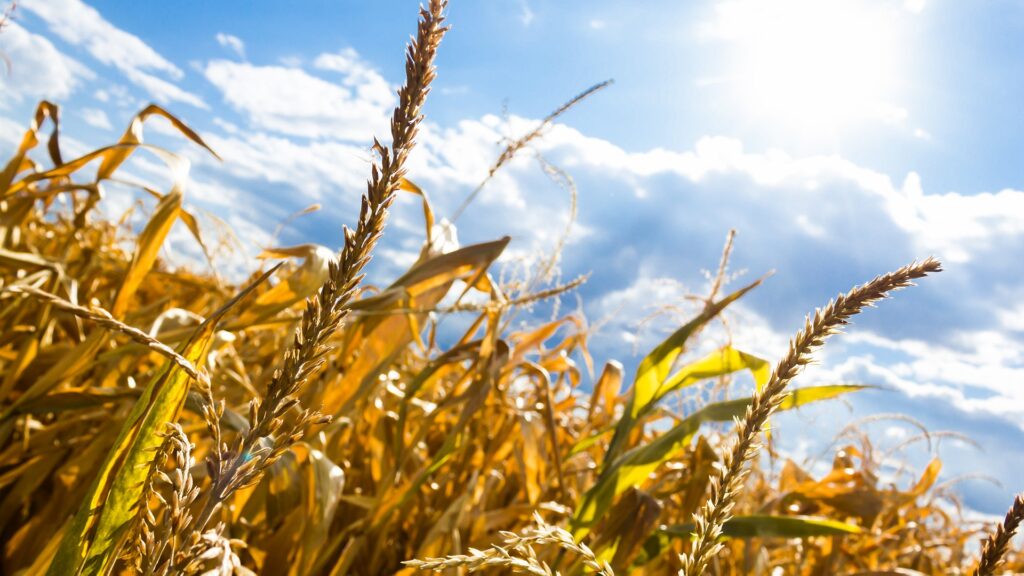
Credit: Pixabay
Share
LinkedIn Facebook Twitter Email

Agricultural water scarcity is expected to increase in more than 80% of the world’s croplands by 2050, according to a new study from the Chinese Academy of Sciences.

The new study examines current and future water requirements for global agriculture and predicts whether the water levels available, either from rainwater or irrigation, will be sufficient to meet those needs under climate change. To do so, the researchers developed a new index to measure and predict water scarcity in agriculture’s two major sources: soil water that comes from rain, called green water, and irrigation from rivers, lakes and groundwater, called blue water. It’s the first study to apply this comprehensive index worldwide and predict global blue and green water scarcity as a result of climate change.

Xingcai Liu, lead author of the study and an associate professor at the Institute of Geographic Sciences and Natural Resources Research of the Chinese Academy of Sciences, said, “As the largest user of both blue and green water resources, agricultural production is faced with unprecedented challenges. This index enables an assessment of agricultural water scarcity in both rainfed and irrigated croplands in a consistent manner.”

According to the study, the demand for water worldwide has grown twice as fast as the human population in the last century. Water scarcity is already an issue on every continent with agriculture, presenting a major threat to food security. It found that despite these concerns, most water scarcity models have failed to take a comprehensive look at both blue and green water.

Green water is the portion of rainwater that is available to plants in the soil. A majority of precipitation ends up as green water, but it is often overlooked because it is invisible in the soil and can’t be extracted for other uses. The amount of green water available for crops depends on the how much rainfall an area receives and how much water is lost due to runoff and evaporation. Farming practices, vegetation covering the area, the type of soil and the slope of the terrain can also have an effect. As temperatures and rainfall patterns shift under climate change, and farming practices intensify to meet the needs of the growing population, the green water available to crops will also likely change.

The researchers found that under climate change, global agricultural water scarcity will worsen in up to 84% of croplands, with a loss of water supplies driving scarcity in about 60% of those croplands.

Changes in available green water, due to shifting precipitation patterns and evaporation caused by higher temperatures, are now predicted to impact about 16% of global croplands. According to the study, adding this important dimension to our understanding of water scarcity could have implications for agricultural water management. For example, Northeast China and the Sahel in Africa are predicted to receive more rain, which may help alleviate agricultural water scarcity. However, reduced precipitation in the midwestern US and northwest India may lead to increases in irrigation to support intense farming.

The new index could help countries to assess the threat and causes of agricultural water scarcity and develop strategies to reduce the impact of future droughts.

Multiple practices help conserve agricultural water. Mulching reduces evaporation from the soil, no-till farming encourages water to infiltrate the ground and adjusting the timing of plantings can better align crop growth with changing rainfall patterns. Additionally, contour farming, where farmers till the soil on sloped land in rows with the same elevation, prevents water runoff and soil erosion.

“Longer term, improving irrigation infrastructure, for example in Africa, and irrigation efficiency would be effective ways to mitigate the effects of future climate change in the context of growing food demand,” Liu said.

To view the full study published in the in the AGU journal Earth’s Future, click here.

Previous ArticleUS researchers develop framework for snowpack runoff decision support tool
Next Article UCAR develops 3D-printed weather station to provide low-cost storm surge warnings

Read Similar Stories

Agriculture

Extreme heat posing significant risks to ecosystems and agriculture, FAO-WMO report warns

April 22, 20263 Mins Read
Climate Measurement

Study identifies atmospheric trigger behind flash droughts in Puerto Rico

April 15, 20263 Mins Read
Climate Measurement

Regional training aims to improve flood forecasting in Central Africa

April 1, 20263 Mins Read
Latest News

Extreme heat posing significant risks to ecosystems and agriculture, FAO-WMO report warns

April 22, 2026

Atmospheric G2 secures Japan weather forecasting license

April 21, 2026

China completes Antarctic meteorological research mission with Xuelong icebreaker

April 21, 2026

Receive breaking stories and features in your inbox each week, for free


Enter your email address:


Supplier Spotlights
  • ZOGLAB Microsystem Co., Ltd
Getting in Touch
  • Contact Us / Advertise
  • Meet the Editors
  • Media Pack
  • Free Weekly E-Newsletter
Our Social Channels
  • Facebook
  • LinkedIn
© 2026 UKi Media & Events a division of UKIP Media & Events Ltd
  • Cookie Policy
  • Privacy Policy
  • Terms and Conditions
  • Notice and Takedown Policy

Type above and press Enter to search. Press Esc to cancel.