


Close Menu
Meteorological Technology International
  • News
    • A-E
      • Agriculture
      • Automated Weather Stations
      • Aviation
      • Climate Measurement
      • Data
      • Developing Countries
      • Digital Applications
      • Early Warning Systems
      • Extreme Weather
    • G-P
      • Hydrology
      • Lidar
      • Lightning Detection
      • New Appointments
      • Nowcasting
      • Numerical Weather Prediction
      • Polar Weather
    • R-S
      • Radar
      • Rainfall
      • Remote Sensing
      • Renewable Energy
      • Satellites
      • Solar
      • Space Weather
      • Supercomputers
    • T-Z
      • Training
      • Transport
      • Weather Instruments
      • Wind
      • World Meteorological Organization
      • Meteorological Technology World Expo
  • Features
  • Online Magazines
    • January 2026
    • April 2025
    • January 2025
    • September 2024
    • April 2024
    • Archive Issues
    • Subscribe Free!
  • Opinion
  • Videos
  • Supplier Spotlight
  • Expo
LinkedIn X (Twitter) Facebook
  • Sign-up for Free Weekly E-Newsletter
  • Meet the Editors
  • Contact Us
  • Media Pack
LinkedIn Facebook
Subscribe
Meteorological Technology International
  • News
      • Agriculture
      • Automated Weather Stations
      • Aviation
      • Climate Measurement
      • Data
      • Developing Countries
      • Digital Applications
      • Early Warning Systems
      • Extreme Weather
      • Hydrology
      • Lidar
      • Lightning Detection
      • New Appointments
      • Nowcasting
      • Numerical Weather Prediction
      • Polar Weather
      • Radar
      • Rainfall
      • Remote Sensing
      • Renewable Energy
      • Satellites
      • Solar
      • Space Weather
      • Supercomputers
      • Training
      • Transport
      • Weather Instruments
      • Wind
      • World Meteorological Organization
      • Meteorological Technology World Expo
  • Features
  • Online Magazines
    1. January 2026
    2. September 2025
    3. April 2025
    4. January 2025
    5. September 2024
    6. April 2024
    7. January 2024
    8. September 2023
    9. April 2023
    10. Archive Issues
    11. Subscribe Free!
    Featured
    November 27, 2025

    In this Issue – January 2026

    By Hazel KingNovember 27, 2025
    Recent

    In this Issue – January 2026

    November 27, 2025

    In this Issue – September 2025

    August 11, 2025

    In this Issue – April 2025

    April 15, 2025
  • Opinion
  • Videos
  • Supplier Spotlight
  • Expo
Facebook LinkedIn
Subscribe
Meteorological Technology International
Extreme Weather

Japanese scientists identify tropical cyclone landfalls for first time

Helen NormanBy Helen NormanMarch 11, 20212 Mins Read
Share LinkedIn Facebook Twitter Email
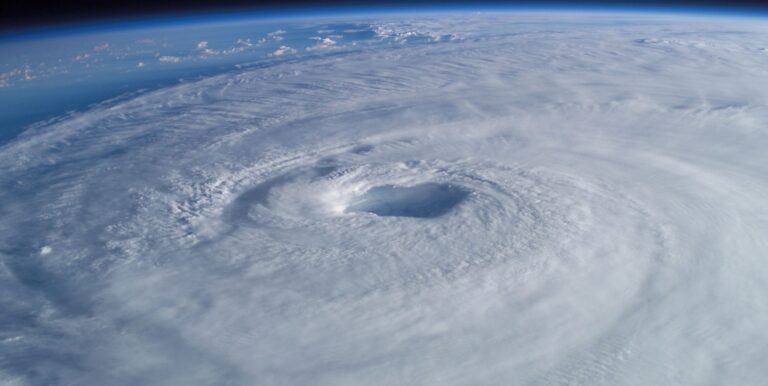
Hurricane Isabel
Hurricane Isabel, a tropical cyclone that occurred in 2003, as seen from the International Space Station. (Ed Lu, ISS/NASA)
Share
LinkedIn Facebook Twitter Email

A team of scientists in Japan has analyzed more than 140 years of data to successfully identify tropical cyclone landfall in the country for the first time. The research will help Japan predict future tropical cyclone disasters.

The team, which included specially appointed associate professor Hisayuki Kubota of the Faculty of Science, Hokkaido University, investigated tropical cyclone activity over the western North Pacific and landfalls in Japan between 1877 and 2019.

It analyzed a combination of tropical cyclone tracking and meteorological data observed at weather stations and lighthouses, including rescued and recovered historical observations.

In a new approach, the team focused on foreign ship log weather records from the mid-19th century made with meteorological instruments on vessels sailing through East and Southeast Asian waters. The results of the study show for the first time the usefulness of such marine data in identifying weather patterns after the mid-19th century in Asia.

According to the analysis, tropical cyclone landfall locations tend to shift to the northeast and then southwest regions of Japan at roughly 100-year intervals. The analysis also showed that annual landfall numbers and their intensities have been increasing in recent years, while noting that these increases may be part of an oscillated fluctuation operating on interdecadal time scales.

“It is projected that stronger tropical cyclones will hit Japan in the future due to global warming. The long-term data from our research is indispensable for knowing the variabilities of TC activities in the past and to prepare for future TCs,” explained Hisayuki Kubota.

Previous ArticleNASA soil moisture data tool to help increase crop yields
Next Article Exclusive WMO session at Meteorological Technology World Expo Conference for Aviation Meteorology

Read Similar Stories

Extreme Weather

Researchers investigate links between air pollution, extreme weather and climate

May 1, 20262 Mins Read
Early Warning Systems

China expands MAZU early warning system for developing countries

April 30, 20262 Mins Read
Climate Measurement

European climate report highlights record heat, glacier loss and rising extremes

April 27, 20263 Mins Read
Latest News

Researchers investigate links between air pollution, extreme weather and climate

May 1, 2026

China expands MAZU early warning system for developing countries

April 30, 2026

Météo-France begins construction of France’s tallest weather radar tower in Sembadel

April 29, 2026

Receive breaking stories and features in your inbox each week, for free


Enter your email address:


Supplier Spotlights
  • Sommer GmbH
Getting in Touch
  • Contact Us / Advertise
  • Meet the Editors
  • Media Pack
  • Free Weekly E-Newsletter
Our Social Channels
  • Facebook
  • LinkedIn
© 2026 UKi Media & Events a division of UKIP Media & Events Ltd
  • Cookie Policy
  • Privacy Policy
  • Terms and Conditions
  • Notice and Takedown Policy

Type above and press Enter to search. Press Esc to cancel.