


Close Menu
Meteorological Technology International
  • News
    • A-E
      • Agriculture
      • Automated Weather Stations
      • Aviation
      • Climate Measurement
      • Data
      • Developing Countries
      • Digital Applications
      • Early Warning Systems
      • Extreme Weather
    • G-P
      • Hydrology
      • Lidar
      • Lightning Detection
      • New Appointments
      • Nowcasting
      • Numerical Weather Prediction
      • Polar Weather
    • R-S
      • Radar
      • Rainfall
      • Remote Sensing
      • Renewable Energy
      • Satellites
      • Solar
      • Space Weather
      • Supercomputers
    • T-Z
      • Training
      • Transport
      • Weather Instruments
      • Wind
      • World Meteorological Organization
      • Meteorological Technology World Expo
  • Features
  • Online Magazines
    • January 2026
    • April 2025
    • January 2025
    • September 2024
    • April 2024
    • Archive Issues
    • Subscribe Free!
  • Opinion
  • Videos
  • Supplier Spotlight
  • Expo
LinkedIn X (Twitter) Facebook
  • Sign-up for Free Weekly E-Newsletter
  • Meet the Editors
  • Contact Us
  • Media Pack
LinkedIn Facebook
Subscribe
Meteorological Technology International
  • News
      • Agriculture
      • Automated Weather Stations
      • Aviation
      • Climate Measurement
      • Data
      • Developing Countries
      • Digital Applications
      • Early Warning Systems
      • Extreme Weather
      • Hydrology
      • Lidar
      • Lightning Detection
      • New Appointments
      • Nowcasting
      • Numerical Weather Prediction
      • Polar Weather
      • Radar
      • Rainfall
      • Remote Sensing
      • Renewable Energy
      • Satellites
      • Solar
      • Space Weather
      • Supercomputers
      • Training
      • Transport
      • Weather Instruments
      • Wind
      • World Meteorological Organization
      • Meteorological Technology World Expo
  • Features
  • Online Magazines
    1. January 2026
    2. September 2025
    3. April 2025
    4. January 2025
    5. September 2024
    6. April 2024
    7. January 2024
    8. September 2023
    9. April 2023
    10. Archive Issues
    11. Subscribe Free!
    Featured
    November 27, 2025

    In this Issue – January 2026

    By Hazel KingNovember 27, 2025
    Recent

    In this Issue – January 2026

    November 27, 2025

    In this Issue – September 2025

    August 11, 2025

    In this Issue – April 2025

    April 15, 2025
  • Opinion
  • Videos
  • Supplier Spotlight
  • Expo
Facebook LinkedIn
Subscribe
Meteorological Technology International
Nowcasting

WMO issues international guidelines for nowcasting in Africa

Dan SymondsBy Dan SymondsJanuary 25, 20232 Mins Read
Share LinkedIn Facebook Twitter Email
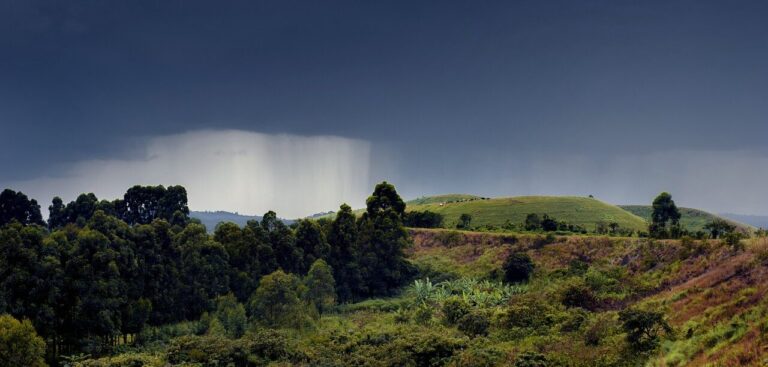
Photo credit: Pixabay
Share
LinkedIn Facebook Twitter Email

The World Meteorological Organization (WMO) has shared a set of guidelines for satellite-based nowcasting in Africa. Satellite-based nowcasting uses near-real-time satellite images to provide severe weather warnings at short notice.

Guidelines for Satellite-based Nowcasting in Africa draws on work carried out by the African SWIFT program led by the UK’s National Centre for Atmospheric Science (NCAS), in addition to experiences from African weather researchers.

As part of African SWIFT, NCAS worked in collaboration with African weather services to bring about a step change in African weather forecasting – leaving a legacy that could be carried forward by new nowcasting technologies such as the FASTA app.

Doug Parker, professor of meteorology at NCAS and the University of Leeds, said, “The African SWIFT project was successful in demonstrating the skill and value of satellite nowcasting right across tropical Africa, by focusing on four countries: Senegal, Ghana, Nigeria and Kenya.

“The new WMO guidelines provide a roadmap for expanding the use of nowcasting right across the continent. The report makes use of a number of African SWIFT outcomes, including the standard operating procedures we developed to help forecasters turn advanced scientific data into hazard warnings for their communities.”

The report authors have put together specific recommendations to help African weather service providers implement satellite nowcasting, as well as recommendations to develop the sustainability of weather services over time. They include different technical, operational, logistical and management considerations that can be used to create templates or roadmaps to use nowcasting in African countries.

Previous ArticleECMWF prototype for monitoring anthropogenic CO2 emissions nears completion
Next Article Land affected by 2m sea-level rise almost double current predictions, claims study

Read Similar Stories

Agriculture

Extreme heat posing significant risks to ecosystems and agriculture, FAO-WMO report warns

April 22, 20263 Mins Read
Climate Measurement

Regional training aims to improve flood forecasting in Central Africa

April 1, 20263 Mins Read
Climate Measurement

Global climate indicators reach record imbalance, WMO warns

March 23, 20263 Mins Read
Latest News

Extreme heat posing significant risks to ecosystems and agriculture, FAO-WMO report warns

April 22, 2026

Atmospheric G2 secures Japan weather forecasting license

April 21, 2026

China completes Antarctic meteorological research mission with Xuelong icebreaker

April 21, 2026

Receive breaking stories and features in your inbox each week, for free


Enter your email address:


Supplier Spotlights
  • Baron
Getting in Touch
  • Contact Us / Advertise
  • Meet the Editors
  • Media Pack
  • Free Weekly E-Newsletter
Our Social Channels
  • Facebook
  • LinkedIn
© 2026 UKi Media & Events a division of UKIP Media & Events Ltd
  • Cookie Policy
  • Privacy Policy
  • Terms and Conditions
  • Notice and Takedown Policy

Type above and press Enter to search. Press Esc to cancel.