


Close Menu
Meteorological Technology International
  • News
    • A-E
      • Agriculture
      • Automated Weather Stations
      • Aviation
      • Climate Measurement
      • Data
      • Developing Countries
      • Digital Applications
      • Early Warning Systems
      • Extreme Weather
    • G-P
      • Hydrology
      • Lidar
      • Lightning Detection
      • New Appointments
      • Nowcasting
      • Numerical Weather Prediction
      • Polar Weather
    • R-S
      • Radar
      • Rainfall
      • Remote Sensing
      • Renewable Energy
      • Satellites
      • Solar
      • Space Weather
      • Supercomputers
    • T-Z
      • Training
      • Transport
      • Weather Instruments
      • Wind
      • World Meteorological Organization
      • Meteorological Technology World Expo
  • Features
  • Online Magazines
    • January 2026
    • April 2025
    • January 2025
    • September 2024
    • April 2024
    • Archive Issues
    • Subscribe Free!
  • Opinion
  • Videos
  • Supplier Spotlight
  • Expo
LinkedIn X (Twitter) Facebook
  • Sign-up for Free Weekly E-Newsletter
  • Meet the Editors
  • Contact Us
  • Media Pack
LinkedIn Facebook
Subscribe
Meteorological Technology International
  • News
      • Agriculture
      • Automated Weather Stations
      • Aviation
      • Climate Measurement
      • Data
      • Developing Countries
      • Digital Applications
      • Early Warning Systems
      • Extreme Weather
      • Hydrology
      • Lidar
      • Lightning Detection
      • New Appointments
      • Nowcasting
      • Numerical Weather Prediction
      • Polar Weather
      • Radar
      • Rainfall
      • Remote Sensing
      • Renewable Energy
      • Satellites
      • Solar
      • Space Weather
      • Supercomputers
      • Training
      • Transport
      • Weather Instruments
      • Wind
      • World Meteorological Organization
      • Meteorological Technology World Expo
  • Features
  • Online Magazines
    1. January 2026
    2. September 2025
    3. April 2025
    4. January 2025
    5. September 2024
    6. April 2024
    7. January 2024
    8. September 2023
    9. April 2023
    10. Archive Issues
    11. Subscribe Free!
    Featured
    November 27, 2025

    In this Issue – January 2026

    By Hazel KingNovember 27, 2025
    Recent

    In this Issue – January 2026

    November 27, 2025

    In this Issue – September 2025

    August 11, 2025

    In this Issue – April 2025

    April 15, 2025
  • Opinion
  • Videos
  • Supplier Spotlight
  • Expo
Facebook LinkedIn
Subscribe
Meteorological Technology International
Hydrology

Land affected by 2m sea-level rise almost double current predictions, claims study

Dan SymondsBy Dan SymondsJanuary 25, 20233 Mins Read
Share LinkedIn Facebook Twitter Email
Photo credit: Pixabay
Share
LinkedIn Facebook Twitter Email

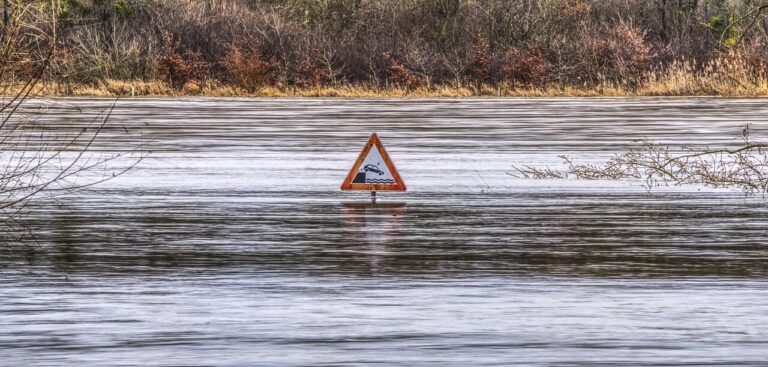
A new study by Dutch researchers has found that the amount of land covered by the first 2m of sea-level rise is likely to be more than twice as much as older elevation models predicted.

Current models of sea-level rise suggest the most widespread impacts will occur after the sea level has risen by several meters. But a new study finds the biggest increases in inundation will occur after the first 2m of sea-level rise.

The study used high-resolution measurements of land elevation from NASA’s ICESat-2 lidar satellite, launched in 2018, to improve models of sea-level rise and inundation. Previous assessments typically relied on radar-based data, which are less precise.

Ronald Vernimmen, a researcher at Data for Sustainability, said, “Radar is unable to fully penetrate vegetation and therefore overestimates surface elevation. Many coastal areas are lower than scientists thought they were.”

The underestimates of land elevation mean coastal communities have less time to prepare for sea-level rise than expected, with the biggest impacts of rising seas occurring earlier than previously thought. After those first few meters of sea-level rise, the rate at which land area falls below mean sea level decreases.

Vernimmen, who works on flood protection and spatial planning advisory projects, started using these more accurate measurements of land elevation when he realized that existing land elevation estimates were not suitable for quantifying coastal flooding risk.

Using the new measurements of land elevation, Vernimmen and co-author Aljosja Hooijer found coastal areas lie much lower than older radar data suggested. Analyses of the new lidar-based elevation model revealed that 2m of sea-level rise would cover up to 2.4 times the land area as observed by radar-based elevation models.

For example, the lidar data suggests that a 2m increase in sea level could put most of Bangkok and its 10,000,000 residents below sea level, while older data suggested that Bangkok would still be largely above mean sea level under that same amount of sea-level rise. In total, after 2m of sea-level rise, Vernimmen and Hooijer estimate that 240,000,000 more people will live below mean sea level. After 3m and 4m of sea-level rise, that number increases by 140,000,000 and by another 116,000,000, respectively.

Cities below future sea level may not necessarily be submerged because levees, dikes and pumping stations can protect some areas from rising seas; Amsterdam and New Orleans are modern examples of this. However, such protection measures can be expensive and take decades to implement. If vulnerable communities want to mitigate the most damage, they need to act before the sea rises those first few meters, according to Vernimmen.

To view the complete study published in the AGU journal Earth’s Future, click here.

Previous ArticleWMO issues international guidelines for nowcasting in Africa
Next Article Warming Mediterranean could lead to increase in extreme weather events

Read Similar Stories

Extreme Weather

AI model improves real-time prediction of wildfire spread

April 16, 20263 Mins Read
Climate Measurement

Study identifies atmospheric trigger behind flash droughts in Puerto Rico

April 15, 20263 Mins Read
Climate Measurement

Regional training aims to improve flood forecasting in Central Africa

April 1, 20263 Mins Read
Latest News

Atmospheric G2 secures Japan weather forecasting license

April 21, 2026

China completes Antarctic meteorological research mission with Xuelong icebreaker

April 21, 2026

EWR Radar Systems wins US Air Force contract for portable Doppler radar support

April 20, 2026

Receive breaking stories and features in your inbox each week, for free


Enter your email address:


Supplier Spotlights
  • GAMIC GmbH
Getting in Touch
  • Contact Us / Advertise
  • Meet the Editors
  • Media Pack
  • Free Weekly E-Newsletter
Our Social Channels
  • Facebook
  • LinkedIn
© 2026 UKi Media & Events a division of UKIP Media & Events Ltd
  • Cookie Policy
  • Privacy Policy
  • Terms and Conditions
  • Notice and Takedown Policy

Type above and press Enter to search. Press Esc to cancel.