


Close Menu
Meteorological Technology International
  • News
    • A-E
      • Agriculture
      • Automated Weather Stations
      • Aviation
      • Climate Measurement
      • Data
      • Developing Countries
      • Digital Applications
      • Early Warning Systems
      • Extreme Weather
    • G-P
      • Hydrology
      • Lidar
      • Lightning Detection
      • New Appointments
      • Nowcasting
      • Numerical Weather Prediction
      • Polar Weather
    • R-S
      • Radar
      • Rainfall
      • Remote Sensing
      • Renewable Energy
      • Satellites
      • Solar
      • Space Weather
      • Supercomputers
    • T-Z
      • Training
      • Transport
      • Weather Instruments
      • Wind
      • World Meteorological Organization
      • Meteorological Technology World Expo
  • Features
  • Online Magazines
    • January 2026
    • April 2025
    • January 2025
    • September 2024
    • April 2024
    • Archive Issues
    • Subscribe Free!
  • Opinion
  • Videos
  • Supplier Spotlight
  • Expo
LinkedIn X (Twitter) Facebook
  • Sign-up for Free Weekly E-Newsletter
  • Meet the Editors
  • Contact Us
  • Media Pack
LinkedIn Facebook
Subscribe
Meteorological Technology International
  • News
      • Agriculture
      • Automated Weather Stations
      • Aviation
      • Climate Measurement
      • Data
      • Developing Countries
      • Digital Applications
      • Early Warning Systems
      • Extreme Weather
      • Hydrology
      • Lidar
      • Lightning Detection
      • New Appointments
      • Nowcasting
      • Numerical Weather Prediction
      • Polar Weather
      • Radar
      • Rainfall
      • Remote Sensing
      • Renewable Energy
      • Satellites
      • Solar
      • Space Weather
      • Supercomputers
      • Training
      • Transport
      • Weather Instruments
      • Wind
      • World Meteorological Organization
      • Meteorological Technology World Expo
  • Features
  • Online Magazines
    1. January 2026
    2. September 2025
    3. April 2025
    4. January 2025
    5. September 2024
    6. April 2024
    7. January 2024
    8. September 2023
    9. April 2023
    10. Archive Issues
    11. Subscribe Free!
    Featured
    November 27, 2025

    In this Issue – January 2026

    By Hazel KingNovember 27, 2025
    Recent

    In this Issue – January 2026

    November 27, 2025

    In this Issue – September 2025

    August 11, 2025

    In this Issue – April 2025

    April 15, 2025
  • Opinion
  • Videos
  • Supplier Spotlight
  • Expo
Facebook LinkedIn
Subscribe
Meteorological Technology International
Climate Measurement

MOSAiC expedition has revealed that climate change makes Arctic ozone loss worse

Helen NormanBy Helen NormanJune 24, 20212 Mins Read
Share LinkedIn Facebook Twitter Email
Arctic
Share
LinkedIn Facebook Twitter Email

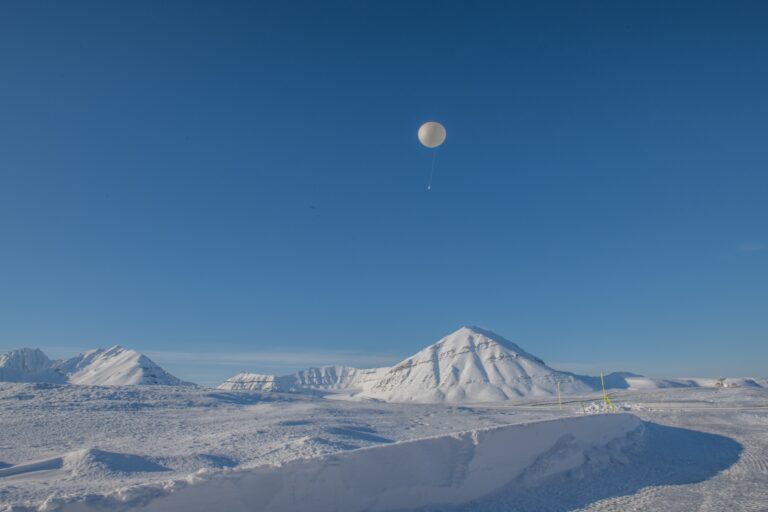
Scientists evaluating the findings from the MOSAiC project, a year-long expedition into the central Arctic which concluded in October 2020, have found that ozone depletion in the Arctic polar vortex could intensify by the end of the century unless global greenhouse gases are rapidly and systematically reduced.

In the future, this could mean more UV radiation exposure in Europe, North America and Asia when parts of the polar vortex drift south. With their new findings, the experts call into question the commonly held assumption that, thanks to the ban on the production of chlorofluorocarbons (CFCs), ozone loss would grind to a halt in just a few decades.

In spring 2020, the MOSAiC expedition documented an unparalleled loss of ozone in the Arctic stratosphere. The latest findings have been revealed after evaluation of meteorological data and model-based simulations by the Alfred Wegener Institute, Helmholtz Centre for Polar and Marine Research (AWI). The AWI study was jointly conducted with the University of Maryland and the Finnish Meteorological Institute.

MOSAiC expedition leader Markus Rex said, “Readings taken during the expedition showed that the chemical loss of ozone over the Arctic in the spring of 2020 was worse than ever before. A comprehensive analysis has now determined that this was also due to climate change.

“Unfortunately, our work indicates that, if climate change continues unchecked, loss of ozone over the Arctic will likely continue to worsen through the end of the 21st century, despite the global ban on ozone-destroying substances,” he added.

A team led by AWI experts Peter von der Gathen and Markus Rex, and by Ross Salawitch from the University of Maryland, compared data from 53 computer models created in the context of the international Coupled Model Intercomparison Project Phases 5 and 6 (CMIP5, CMIP6). Working from this basis, the researchers then projected the ozone depletion in the Arctic polar vortex up to the year 2100.

Click here to read the full study.  

Click here to read Meteorological Technology International‘s report on the MOSAiC expedition. 

Previous ArticleFishing vessels to provide in-situ data for the Copernicus Marine Service
Next Article New study finds climate change is driving plant die-offs in Southern California

Read Similar Stories

Extreme Weather

Researchers investigate links between air pollution, extreme weather and climate

May 1, 20262 Mins Read
Radar

Météo-France begins construction of France’s tallest weather radar tower in Sembadel

April 29, 20262 Mins Read
Climate Measurement

European climate report highlights record heat, glacier loss and rising extremes

April 27, 20263 Mins Read
Latest News

Researchers investigate links between air pollution, extreme weather and climate

May 1, 2026

China expands MAZU early warning system for developing countries

April 30, 2026

Météo-France begins construction of France’s tallest weather radar tower in Sembadel

April 29, 2026

Receive breaking stories and features in your inbox each week, for free


Enter your email address:


Supplier Spotlights
  • Baron
Getting in Touch
  • Contact Us / Advertise
  • Meet the Editors
  • Media Pack
  • Free Weekly E-Newsletter
Our Social Channels
  • Facebook
  • LinkedIn
© 2026 UKi Media & Events a division of UKIP Media & Events Ltd
  • Cookie Policy
  • Privacy Policy
  • Terms and Conditions
  • Notice and Takedown Policy

Type above and press Enter to search. Press Esc to cancel.