


Close Menu
Meteorological Technology International
  • News
    • A-E
      • Agriculture
      • Automated Weather Stations
      • Aviation
      • Climate Measurement
      • Data
      • Developing Countries
      • Digital Applications
      • Early Warning Systems
      • Extreme Weather
    • G-P
      • Hydrology
      • Lidar
      • Lightning Detection
      • New Appointments
      • Nowcasting
      • Numerical Weather Prediction
      • Polar Weather
    • R-S
      • Radar
      • Rainfall
      • Remote Sensing
      • Renewable Energy
      • Satellites
      • Solar
      • Space Weather
      • Supercomputers
    • T-Z
      • Training
      • Transport
      • Weather Instruments
      • Wind
      • World Meteorological Organization
      • Meteorological Technology World Expo
  • Features
  • Online Magazines
    • January 2026
    • April 2025
    • January 2025
    • September 2024
    • April 2024
    • Archive Issues
    • Subscribe Free!
  • Opinion
  • Videos
  • Supplier Spotlight
  • Expo
LinkedIn X (Twitter) Facebook
  • Sign-up for Free Weekly E-Newsletter
  • Meet the Editors
  • Contact Us
  • Media Pack
LinkedIn Facebook
Subscribe
Meteorological Technology International
  • News
      • Agriculture
      • Automated Weather Stations
      • Aviation
      • Climate Measurement
      • Data
      • Developing Countries
      • Digital Applications
      • Early Warning Systems
      • Extreme Weather
      • Hydrology
      • Lidar
      • Lightning Detection
      • New Appointments
      • Nowcasting
      • Numerical Weather Prediction
      • Polar Weather
      • Radar
      • Rainfall
      • Remote Sensing
      • Renewable Energy
      • Satellites
      • Solar
      • Space Weather
      • Supercomputers
      • Training
      • Transport
      • Weather Instruments
      • Wind
      • World Meteorological Organization
      • Meteorological Technology World Expo
  • Features
  • Online Magazines
    1. April 2026
    2. January 2026
    3. September 2025
    4. April 2025
    5. January 2025
    6. September 2024
    7. April 2024
    8. January 2024
    9. Archive Issues
    10. Subscribe Free!
    Featured
    May 5, 2026

    In this Issue – April 2026

    By Web TeamMay 5, 2026
    Recent

    In this Issue – April 2026

    May 5, 2026

    In this Issue – January 2026

    November 27, 2025

    In this Issue – September 2025

    August 11, 2025
  • Opinion
  • Videos
  • Supplier Spotlight
  • Expo
Facebook LinkedIn
Subscribe
Meteorological Technology International
Rainfall

Horn of Africa facing ‘unprecedented’ sixth season of drought, according to forecasts

Dan SymondsBy Dan SymondsFebruary 20, 20233 Mins Read
Share LinkedIn Facebook Twitter Email
Share
LinkedIn Facebook Twitter Email

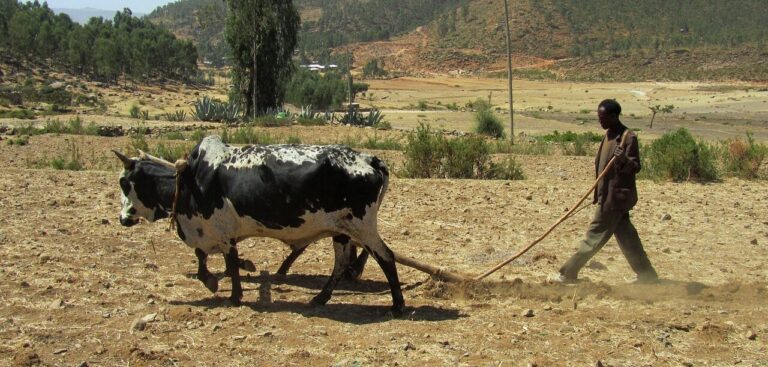
Meteorological agencies and charity partners have issued an alert calling for urgent humanitarian efforts in response to the ongoing drought in the Horn of Africa.

According to the joint statement, seasonal forecasts suggest a reasonable chance that the upcoming March-May rains will again underperform. Should this occur, it would be an unprecedented sixth poor season and have devastating consequences for communities.

The open letter states that, regardless of seasonal performance, humanitarian needs will remain high in 2023, and multi-sectoral assistance must be scaled up to save lives. The joint alert has been issued by the WMO, UNICEF, the World Food Programme, the Climate Hazards Center, and the Famine Early Warning Systems Network, among others.

The current drought began with the poor performance of the October-December 2020 rains and has since deepened, with all four subsequent seasons also performing poorly. According to forecasting experts, the upcoming March-May rainy season will most likely be below normal to normal, and is unlikely to be above normal. If the area does experience below-average rains, the Horn of Africa would experience an unprecedented sequence of six below-average rainy seasons.

Although current forecasts must be treated with a degree of caution as global models are less reliable in the region at this time of year, techniques linked to multiple studies of Pacific Sea surface temperatures have worked well in the past and provide a strong signal for below-normal rains, giving more weight to a below-normal scenario, potentially similar to 2017.

An assessment of areas of Ethiopia that experience a belg rainy season (when rains fall from February-May) shows a similar outlook. Above-normal temperatures are also forecast, which will likely wilt crops, as well as vegetation vital for the survival of livestock. An increased chance of below-average rains in March is also indicated, and any delay in the rains will have significant impacts on cropping areas with short growing seasons.

Current model runs show a greater than 50% probability of an El Niño forming during the second half of 2023, though very early forecasts carry considerable uncertainty. Were an El Niño to materialize, it could result in reduced rains in the highlands of Ethiopia, western Kenya, parts of South Sudan and Sudan toward the end of the June-September season, followed by abundant rainfall over currently drought-affected areas of the Horn of Africa between October and December.

The statement says that although it is very early to speculate on the performance of these later rainfall seasons, heavy rainfall in a short period could add additional shocks (such as flash floods and water-borne diseases) to communities already suffering from three years of drought and, in some cases, other shocks (conflict, high food prices). The accuracy of El Niño-Southern Oscillation (ENSO) forecasts will improve around April/May and at that point, forecasts for these later seasons and potential impacts will be evaluated. The current humanitarian emergency will likely persist until at least late 2023, requiring high levels of assistance to prevent further deterioration.

Previous ArticleIcelandic project to study impact of ice retreat on seismic activity
Next Article OTT HydroMet launches connectivity upgrade for remote water-level logger

Read Similar Stories

Climate Measurement

Cloud measurement campaign targets improved climate model accuracy

May 20, 20263 Mins Read
Extreme Weather

Impacts of extreme weather and rising temperatures intensify across Latin America and Caribbean

May 15, 20263 Mins Read
Automated Weather Stations

UNESCO hands over nine automated weather stations to the Ghana Meteorological Agency

May 12, 20262 Mins Read
Latest News

R.M. Young Company reengineers SNOdar snow-depth sensor

May 21, 2026

SMILE mission launches to study Earth’s magnetic shield and space weather

May 20, 2026

Cloud measurement campaign targets improved climate model accuracy

May 20, 2026

Receive breaking stories and features in your inbox each week, for free


Enter your email address:


Supplier Spotlights
  • Senseca
Getting in Touch
  • Contact Us / Advertise
  • Meet the Editors
  • Media Pack
  • Free Weekly E-Newsletter
Our Social Channels
  • Facebook
  • LinkedIn
© 2026 UKi Media & Events a division of UKIP Media & Events Ltd
  • Cookie Policy
  • Privacy Policy
  • Terms and Conditions
  • Notice and Takedown Policy

Type above and press Enter to search. Press Esc to cancel.