


Close Menu
Meteorological Technology International
  • News
    • A-E
      • Agriculture
      • Automated Weather Stations
      • Aviation
      • Climate Measurement
      • Data
      • Developing Countries
      • Digital Applications
      • Early Warning Systems
      • Extreme Weather
    • G-P
      • Hydrology
      • Lidar
      • Lightning Detection
      • New Appointments
      • Nowcasting
      • Numerical Weather Prediction
      • Polar Weather
    • R-S
      • Radar
      • Rainfall
      • Remote Sensing
      • Renewable Energy
      • Satellites
      • Solar
      • Space Weather
      • Supercomputers
    • T-Z
      • Training
      • Transport
      • Weather Instruments
      • Wind
      • World Meteorological Organization
      • Meteorological Technology World Expo
  • Features
  • Online Magazines
    • January 2026
    • April 2025
    • January 2025
    • September 2024
    • April 2024
    • Archive Issues
    • Subscribe Free!
  • Opinion
  • Videos
  • Supplier Spotlight
  • Expo
LinkedIn X (Twitter) Facebook
  • Sign-up for Free Weekly E-Newsletter
  • Meet the Editors
  • Contact Us
  • Media Pack
LinkedIn Facebook
Subscribe
Meteorological Technology International
  • News
      • Agriculture
      • Automated Weather Stations
      • Aviation
      • Climate Measurement
      • Data
      • Developing Countries
      • Digital Applications
      • Early Warning Systems
      • Extreme Weather
      • Hydrology
      • Lidar
      • Lightning Detection
      • New Appointments
      • Nowcasting
      • Numerical Weather Prediction
      • Polar Weather
      • Radar
      • Rainfall
      • Remote Sensing
      • Renewable Energy
      • Satellites
      • Solar
      • Space Weather
      • Supercomputers
      • Training
      • Transport
      • Weather Instruments
      • Wind
      • World Meteorological Organization
      • Meteorological Technology World Expo
  • Features
  • Online Magazines
    1. January 2026
    2. September 2025
    3. April 2025
    4. January 2025
    5. September 2024
    6. April 2024
    7. January 2024
    8. September 2023
    9. April 2023
    10. Archive Issues
    11. Subscribe Free!
    Featured
    November 27, 2025

    In this Issue – January 2026

    By Hazel KingNovember 27, 2025
    Recent

    In this Issue – January 2026

    November 27, 2025

    In this Issue – September 2025

    August 11, 2025

    In this Issue – April 2025

    April 15, 2025
  • Opinion
  • Videos
  • Supplier Spotlight
  • Expo
Facebook LinkedIn
Subscribe
Meteorological Technology International
Satellites

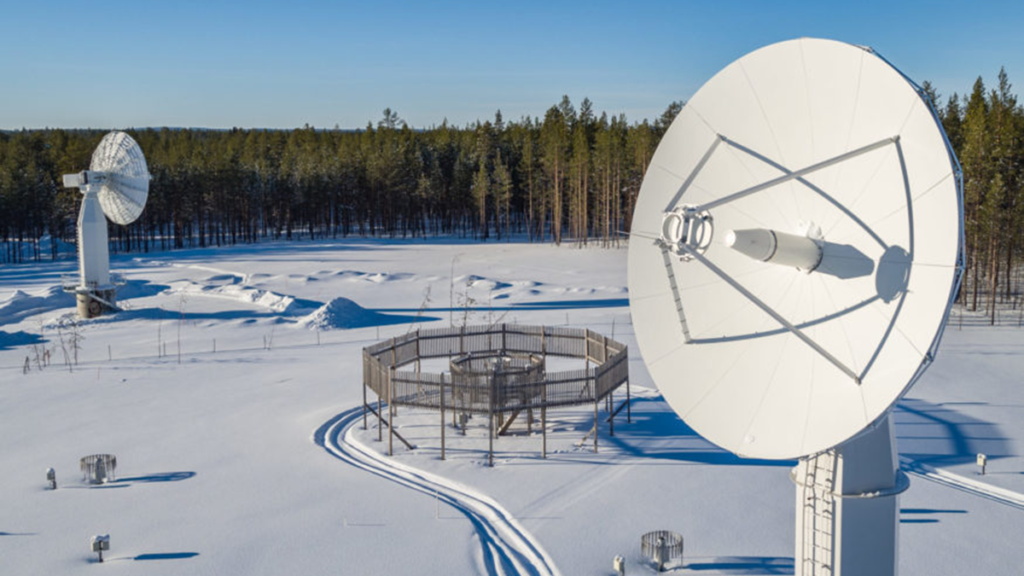
FMI installs enhanced satellite data reception system at Arctic Space Centre

Dan SymondsBy Dan SymondsNovember 26, 20212 Mins Read
Share LinkedIn Facebook Twitter Email
Credit: Kari Mäenpää/FMI
Share
LinkedIn Facebook Twitter Email

The Finnish Meteorological Institute’s (FMI) Sodankylä Arctic Space Centre has been equipped with a new SOD04 satellite data reception system with a parabolic antenna dish (diameter of 3.7m) that will improve the transmission of satellite data for meteorology and environmental awareness applications.

The purpose of the new L-/X-band satellite dish is to replace the previous SOD01 antenna in direct readout (DR) data reception. In addition to the new system, the current satellite ground segment facility at Sodankylä incorporates two high-data-rate systems with 7.3m antennas for the reception of data transmissions from polar orbiting satellites.

During 2022, the SOD04 system, operating at the L- and X-bands, will be followed by an identical SOD05 antenna to provide redundancy, reliability and additional capacity. The Arctic Space Centre in Sodankylä hosts the National Satellite Data Centre (NSDC) of Finland, which receives and delivers environmental satellite data and products to end-users in Finland and all around the globe. The new and upcoming updates to the satellite data reception system enable even better services and tools for environmental monitoring in the future.

In addition, the Sodankylä facility will also be capable of receiving data from new weather satellite missions, such as EUMETSAT (Meteorological Operational Satellite – Second Generation) MetOp-SG.

Previous ArticleDrought likely to become longer and more severe for dry regions in near future, finds research
Next Article WMO discusses hydrological monitoring system for India’s GBM river basin

Read Similar Stories

Space Weather

Northumbria University secures £4m to study Earth’s radiation belts

April 16, 20262 Mins Read
Extreme Weather

AI model improves real-time prediction of wildfire spread

April 16, 20263 Mins Read
Satellites

AI tool uses weather satellite data to map ocean currents in near real time

April 14, 20263 Mins Read
Latest News

Northumbria University secures £4m to study Earth’s radiation belts

April 16, 2026

AI model improves real-time prediction of wildfire spread

April 16, 2026

Study identifies atmospheric trigger behind flash droughts in Puerto Rico

April 15, 2026

Receive breaking stories and features in your inbox each week, for free


Enter your email address:


Supplier Spotlights
  • ZOGLAB Microsystem Co., Ltd
Getting in Touch
  • Contact Us / Advertise
  • Meet the Editors
  • Media Pack
  • Free Weekly E-Newsletter
Our Social Channels
  • Facebook
  • LinkedIn
© 2026 UKi Media & Events a division of UKIP Media & Events Ltd
  • Cookie Policy
  • Privacy Policy
  • Terms and Conditions
  • Notice and Takedown Policy

Type above and press Enter to search. Press Esc to cancel.