


Close Menu
Meteorological Technology International
  • News
    • A-E
      • Agriculture
      • Automated Weather Stations
      • Aviation
      • Climate Measurement
      • Data
      • Developing Countries
      • Digital Applications
      • Early Warning Systems
      • Extreme Weather
    • G-P
      • Hydrology
      • Lidar
      • Lightning Detection
      • New Appointments
      • Nowcasting
      • Numerical Weather Prediction
      • Polar Weather
    • R-S
      • Radar
      • Rainfall
      • Remote Sensing
      • Renewable Energy
      • Satellites
      • Solar
      • Space Weather
      • Supercomputers
    • T-Z
      • Training
      • Transport
      • Weather Instruments
      • Wind
      • World Meteorological Organization
      • Meteorological Technology World Expo
  • Features
  • Online Magazines
    • January 2026
    • April 2025
    • January 2025
    • September 2024
    • April 2024
    • Archive Issues
    • Subscribe Free!
  • Opinion
  • Videos
  • Supplier Spotlight
  • Expo
LinkedIn X (Twitter) Facebook
  • Sign-up for Free Weekly E-Newsletter
  • Meet the Editors
  • Contact Us
  • Media Pack
LinkedIn Facebook
Subscribe
Meteorological Technology International
  • News
      • Agriculture
      • Automated Weather Stations
      • Aviation
      • Climate Measurement
      • Data
      • Developing Countries
      • Digital Applications
      • Early Warning Systems
      • Extreme Weather
      • Hydrology
      • Lidar
      • Lightning Detection
      • New Appointments
      • Nowcasting
      • Numerical Weather Prediction
      • Polar Weather
      • Radar
      • Rainfall
      • Remote Sensing
      • Renewable Energy
      • Satellites
      • Solar
      • Space Weather
      • Supercomputers
      • Training
      • Transport
      • Weather Instruments
      • Wind
      • World Meteorological Organization
      • Meteorological Technology World Expo
  • Features
  • Online Magazines
    1. April 2026
    2. January 2026
    3. September 2025
    4. April 2025
    5. January 2025
    6. September 2024
    7. April 2024
    8. January 2024
    9. Archive Issues
    10. Subscribe Free!
    Featured
    May 5, 2026

    In this Issue – April 2026

    By Web TeamMay 5, 2026
    Recent

    In this Issue – April 2026

    May 5, 2026

    In this Issue – January 2026

    November 27, 2025

    In this Issue – September 2025

    August 11, 2025
  • Opinion
  • Videos
  • Supplier Spotlight
  • Expo
Facebook LinkedIn
Subscribe
Meteorological Technology International
Satellites

NASA unveils TROPICS CubeSat launch date

Dan SymondsBy Dan SymondsApril 25, 20232 Mins Read
Share LinkedIn Facebook Twitter Email
Credit - Pixabay
Share
LinkedIn Facebook Twitter Email

NASA and US aerospace company Rocket Lab are set to launch to launch two new storm tracking CubeSats from New Zealand at 9pm (EDT) on April 30, 2023.

The Time-Resolved Observations of Precipitation structure and storm Intensity with a Constellation of Smallsats (TROPICS) mission has a two-hour window from Launch Complex 1 in Māhia.

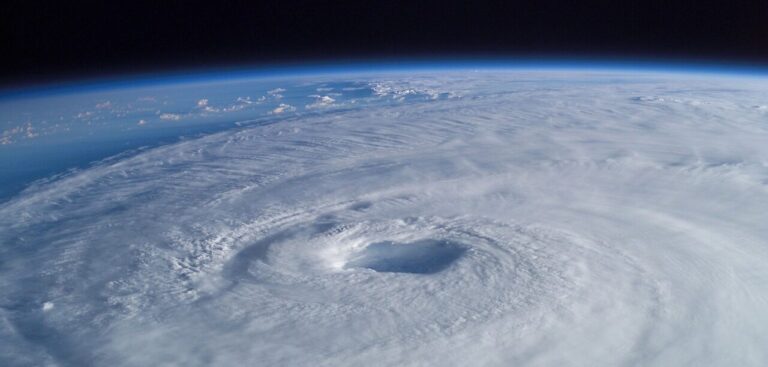
TROPICS is a constellation of four identical CubeSats designed to observe tropical cyclones from low-Earth orbit, making observations more frequently than current weather tracking satellites. Both payloads, each carrying a pair of CubeSats, will launch on a Rocket Lab Electron rocket.

A second launch from Rocket Lab with two additional CubeSats is targeted for May 16, with exact launch times contingent on the date and time of the first launch.

TROPICS will study tropical cyclones as part of NASA’s Earth System Science Pathfinder Program and should increase understanding of the processes driving rapid changes in storm structure and integrity. NASA plans to have the CubeSats distributed evenly in two low-Earth orbital planes about 340 miles (550km) above the Earth’s surface.

TROPICS has the potential to provide roughly hourly observations of a storm’s precipitation, temperature and humidity, compared to about every six hours with current satellites. Gathering data more frequently can help scientists improve weather forecasting models.

Previous ArticleSharp warming of UK cities depicted in new visualizations
Next Article WMO publishes State of the Global Climate report for 2022

Read Similar Stories

Extreme Weather

Wildfires can create ‘burn scar heat islands’ that alter weather patterns, study finds

May 6, 20263 Mins Read
Early Warning Systems

China expands MAZU early warning system for developing countries

April 30, 20262 Mins Read
Space Weather

Northumbria University secures £4m to study Earth’s radiation belts

April 16, 20262 Mins Read
Latest News

Wildfires can create ‘burn scar heat islands’ that alter weather patterns, study finds

May 6, 2026

FEATURE: Local thunderstorm detection for real-time decision support

May 6, 2026

In this Issue – April 2026

May 5, 2026

Receive breaking stories and features in your inbox each week, for free


Enter your email address:


Supplier Spotlights
  • Senseca
Getting in Touch
  • Contact Us / Advertise
  • Meet the Editors
  • Media Pack
  • Free Weekly E-Newsletter
Our Social Channels
  • Facebook
  • LinkedIn
© 2026 UKi Media & Events a division of UKIP Media & Events Ltd
  • Cookie Policy
  • Privacy Policy
  • Terms and Conditions
  • Notice and Takedown Policy

Type above and press Enter to search. Press Esc to cancel.