


Close Menu
Meteorological Technology International
  • News
    • A-E
      • Agriculture
      • Automated Weather Stations
      • Aviation
      • Climate Measurement
      • Data
      • Developing Countries
      • Digital Applications
      • Early Warning Systems
      • Extreme Weather
    • G-P
      • Hydrology
      • Lidar
      • Lightning Detection
      • New Appointments
      • Nowcasting
      • Numerical Weather Prediction
      • Polar Weather
    • R-S
      • Radar
      • Rainfall
      • Remote Sensing
      • Renewable Energy
      • Satellites
      • Solar
      • Space Weather
      • Supercomputers
    • T-Z
      • Training
      • Transport
      • Weather Instruments
      • Wind
      • World Meteorological Organization
      • Meteorological Technology World Expo
  • Features
  • Online Magazines
    • January 2026
    • April 2025
    • January 2025
    • September 2024
    • April 2024
    • Archive Issues
    • Subscribe Free!
  • Opinion
  • Videos
  • Supplier Spotlight
  • Expo
LinkedIn X (Twitter) Facebook
  • Sign-up for Free Weekly E-Newsletter
  • Meet the Editors
  • Contact Us
  • Media Pack
LinkedIn Facebook
Subscribe
Meteorological Technology International
  • News
      • Agriculture
      • Automated Weather Stations
      • Aviation
      • Climate Measurement
      • Data
      • Developing Countries
      • Digital Applications
      • Early Warning Systems
      • Extreme Weather
      • Hydrology
      • Lidar
      • Lightning Detection
      • New Appointments
      • Nowcasting
      • Numerical Weather Prediction
      • Polar Weather
      • Radar
      • Rainfall
      • Remote Sensing
      • Renewable Energy
      • Satellites
      • Solar
      • Space Weather
      • Supercomputers
      • Training
      • Transport
      • Weather Instruments
      • Wind
      • World Meteorological Organization
      • Meteorological Technology World Expo
  • Features
  • Online Magazines
    1. January 2026
    2. September 2025
    3. April 2025
    4. January 2025
    5. September 2024
    6. April 2024
    7. January 2024
    8. September 2023
    9. April 2023
    10. Archive Issues
    11. Subscribe Free!
    Featured
    November 27, 2025

    In this Issue – January 2026

    By Hazel KingNovember 27, 2025
    Recent

    In this Issue – January 2026

    November 27, 2025

    In this Issue – September 2025

    August 11, 2025

    In this Issue – April 2025

    April 15, 2025
  • Opinion
  • Videos
  • Supplier Spotlight
  • Expo
Facebook LinkedIn
Subscribe
Meteorological Technology International
Transport

Reduced traffic levels contributed to lockdown methane surge, study finds

Dan SymondsBy Dan SymondsNovember 29, 20223 Mins Read
Share LinkedIn Facebook Twitter Email
Share
LinkedIn Facebook Twitter Email

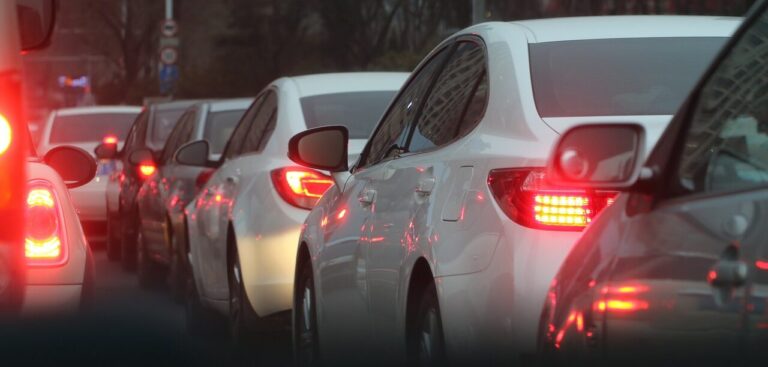
A new study believes that an underlying cause of the jump in methane levels recorded between 2019 and 2020 could be reduced nitric oxide emissions from road transportation, railways and airplanes as a result of Covid-19 lockdowns.

The researchers said that reduced transportation emissions led to lower levels of a chemical called the hydroxyl radical, which acts like a detergent to remove methane from the atmosphere.

William Collins, study co-author and professor of climate sciences at the University of Reading in the UK, said, “We saw a large rise in methane during the Covid-19 lockdowns so it was important to understand why this was happening as methane is a potent greenhouse gas responsible for a significant fraction of the current global warming.

“Our research shows that reduced travel during the pandemic played a part in this surge as fewer cars on the road and planes in the sky meant less of this methane-cleaning ‘detergent’ in the atmosphere.

“We can’t rely on this detergent as nitric oxide emissions need to be cut to improve air quality and human health. So this study shows an even stronger need to rapidly reduce emissions of methane from pipeline leaks and agriculture if we are to have any chance to meet the 1.5° climate goal.”

Until now, the causes of the 2020 surge in methane – second only to carbon dioxide as a driver of climate change – had been unclear. Previous research suggested the rise might partly have been the result of increased natural emissions from tropical wetlands.

A team led by a University of Edinburgh scientist used global atmospheric chemistry models to study how lockdown emission changes affected methane levels. These rose to a record 15 parts per billion (ppb) in 2020 – up from 9.7ppb in 2019. Previous studies estimate global nitrogen oxide, carbon monoxide and other transportation-related emissions fell by 10-20% in 2020.

The team’s findings suggest that, of the total 5.3ppb rise in methane growth rate in 2020, reduced transportation emissions led to a 2.9ppb increase. Reductions in nitrogen oxides led to a 4.8ppb increase that year, while reductions in carbon monoxide and other chemicals had the opposite effect, reducing methane growth by 1.9ppb.

Around 30% of the increase in methane in 2020 was caused by lower nitrogen oxide emissions from aviation, which fell by more than one-fifth globally.

To view the complete study published in the journal Atmospheric Chemistry and Physics, click here.

Previous ArticleWMO publishes first State of Global Water Resources report
Next Article Low-oxygen Pacific waters to expand by 4% due to climate change

Read Similar Stories

Aviation

Met Office launches platform to support needs of evolving aviation industry

March 24, 20262 Mins Read
Data

Vaisala launches lifecycle support service for weather measurement systems

February 25, 20263 Mins Read
Transport

American Meteorological Society “deeply concerned” after EPA rescinds Greenhouse Gas Endangerment finding

February 17, 20262 Mins Read
Latest News

Extreme heat posing significant risks to ecosystems and agriculture, FAO-WMO report warns

April 22, 2026

Atmospheric G2 secures Japan weather forecasting license

April 21, 2026

China completes Antarctic meteorological research mission with Xuelong icebreaker

April 21, 2026

Receive breaking stories and features in your inbox each week, for free


Enter your email address:


Supplier Spotlights
  • LCJ Capteurs
Getting in Touch
  • Contact Us / Advertise
  • Meet the Editors
  • Media Pack
  • Free Weekly E-Newsletter
Our Social Channels
  • Facebook
  • LinkedIn
© 2026 UKi Media & Events a division of UKIP Media & Events Ltd
  • Cookie Policy
  • Privacy Policy
  • Terms and Conditions
  • Notice and Takedown Policy

Type above and press Enter to search. Press Esc to cancel.