


Close Menu
Meteorological Technology International
  • News
    • A-E
      • Agriculture
      • Automated Weather Stations
      • Aviation
      • Climate Measurement
      • Data
      • Developing Countries
      • Digital Applications
      • Early Warning Systems
      • Extreme Weather
    • G-P
      • Hydrology
      • Lidar
      • Lightning Detection
      • New Appointments
      • Nowcasting
      • Numerical Weather Prediction
      • Polar Weather
    • R-S
      • Radar
      • Rainfall
      • Remote Sensing
      • Renewable Energy
      • Satellites
      • Solar
      • Space Weather
      • Supercomputers
    • T-Z
      • Training
      • Transport
      • Weather Instruments
      • Wind
      • World Meteorological Organization
      • Meteorological Technology World Expo
  • Features
  • Online Magazines
    • January 2026
    • April 2025
    • January 2025
    • September 2024
    • April 2024
    • Archive Issues
    • Subscribe Free!
  • Opinion
  • Videos
  • Supplier Spotlight
  • Expo
LinkedIn X (Twitter) Facebook
  • Sign-up for Free Weekly E-Newsletter
  • Meet the Editors
  • Contact Us
  • Media Pack
LinkedIn Facebook
Subscribe
Meteorological Technology International
  • News
      • Agriculture
      • Automated Weather Stations
      • Aviation
      • Climate Measurement
      • Data
      • Developing Countries
      • Digital Applications
      • Early Warning Systems
      • Extreme Weather
      • Hydrology
      • Lidar
      • Lightning Detection
      • New Appointments
      • Nowcasting
      • Numerical Weather Prediction
      • Polar Weather
      • Radar
      • Rainfall
      • Remote Sensing
      • Renewable Energy
      • Satellites
      • Solar
      • Space Weather
      • Supercomputers
      • Training
      • Transport
      • Weather Instruments
      • Wind
      • World Meteorological Organization
      • Meteorological Technology World Expo
  • Features
  • Online Magazines
    1. April 2026
    2. January 2026
    3. September 2025
    4. April 2025
    5. January 2025
    6. September 2024
    7. April 2024
    8. January 2024
    9. Archive Issues
    10. Subscribe Free!
    Featured
    May 5, 2026

    In this Issue – April 2026

    By Web TeamMay 5, 2026
    Recent

    In this Issue – April 2026

    May 5, 2026

    In this Issue – January 2026

    November 27, 2025

    In this Issue – September 2025

    August 11, 2025
  • Opinion
  • Videos
  • Supplier Spotlight
  • Expo
Facebook LinkedIn
Subscribe
Meteorological Technology International
Transport

NCAR to investigate impact of weather conditions on autonomous electric vehicles

Dan SymondsBy Dan SymondsFebruary 25, 20223 Mins Read
Share LinkedIn Facebook Twitter Email
Credit: Pixabay
Share
LinkedIn Facebook Twitter Email

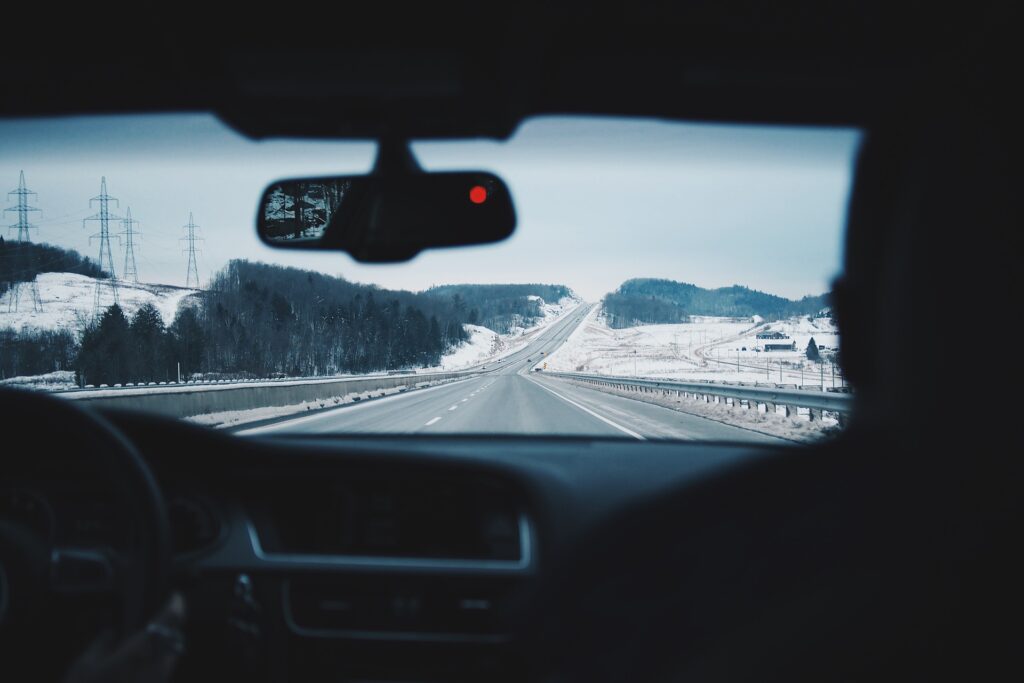
Scientists at the National Center for Atmospheric Research (NCAR) have launched a study into the impact of weather conditions on electric autonomous vehicles, and how the design can be altered to improve efficiency during different conditions.

The NCAR study is part of a larger three-year project, led by Western Michigan University and funded by the US Department of Energy, that looks to improve energy efficiency in self-driving cars and trucks.

Curtis Walker, project scientist at NCAR, said, “Autonomous vehicles are going to use a lot more power because so much processing is happening on board. Our goal is to determine how we can use weather information to help out the computing load and reduce the power consumption.”

Engineers already know that cold weather can substantially reduce the range of an electric vehicle, as well as lead to longer recharging times. Walker and his colleagues, including co-principal investigator Amanda Siems-Anderson, are planning to examine weather impacts systematically.

In addition to NCAR and Western Michigan University, the overall project includes Oak Ridge National Lab and DriveU.auto, bringing together expertise from the academic, government and private sectors.

“These types of cross-discipline and cross-sector collaborations are so important and can lead to substantial technological gains,” Walker said.

Leveraging weather information
The NCAR scientists have two main goals: identify the impacts of weather conditions on vehicle energy consumption and assess the potential energy savings that could be achieved by using information from various weather sensors.

To achieve the first goal, they will outfit two autonomous vehicles with advanced weather sensors and draw on other local weather observations as they operate the vehicles in a range of driving environments in Michigan and Tennessee. Weather information will be compared with energy consumption data from the vehicles to assess how weather is affecting energy usage.

For the second goal, the team will assess opportunities for the vehicles to use real-time information from weather sensors in order to maximize energy efficiency. This will include testing if the vehicles can run longer if they take alternative routes that leverage prevailing weather conditions.

“If flights can catch a favorable tailwind, perhaps autonomous vehicles could do something similar,” Walker said. “A basic question is: how can we use weather information from the perspective of route-planning optimization?”

Part of the challenge for the NCAR team will be to identify which weather sensors can be best integrated into a self-driving vehicle’s systems, enabling the vehicle to make adjustments seamlessly to minimize the demands on its batteries.

“We want that battery to last as long as possible, to give you as many miles and hours of driving time as possible so motorists don’t miss the range of their gas-powered vehicles,” Walker said. “Ultimately the goal is for the consumer and driver to have the best possible experience with a technologically innovative vehicle that works optimally in all weather conditions.”

Previous ArticleNASA to develop hyperspectral microwave technology for dissecting boundary layer from space
Next Article NOAA partners with Tomorrow.io to assess impact of weather satellite data

Read Similar Stories

Weather Instruments

R.M. Young Company reengineers SNOdar snow-depth sensor

May 21, 20262 Mins Read
Climate Measurement

Cloud measurement campaign targets improved climate model accuracy

May 20, 20263 Mins Read
Data

Ventusky adds fire monitoring to its weather maps

May 14, 20262 Mins Read
Latest News

R.M. Young Company reengineers SNOdar snow-depth sensor

May 21, 2026

SMILE mission launches to study Earth’s magnetic shield and space weather

May 20, 2026

Cloud measurement campaign targets improved climate model accuracy

May 20, 2026

Receive breaking stories and features in your inbox each week, for free


Enter your email address:


Supplier Spotlights
  • Baron
Getting in Touch
  • Contact Us / Advertise
  • Meet the Editors
  • Media Pack
  • Free Weekly E-Newsletter
Our Social Channels
  • Facebook
  • LinkedIn
© 2026 UKi Media & Events a division of UKIP Media & Events Ltd
  • Cookie Policy
  • Privacy Policy
  • Terms and Conditions
  • Notice and Takedown Policy

Type above and press Enter to search. Press Esc to cancel.