


Close Menu
Meteorological Technology International
  • News
    • A-E
      • Agriculture
      • Automated Weather Stations
      • Aviation
      • Climate Measurement
      • Data
      • Developing Countries
      • Digital Applications
      • Early Warning Systems
      • Extreme Weather
    • G-P
      • Hydrology
      • Lidar
      • Lightning Detection
      • New Appointments
      • Nowcasting
      • Numerical Weather Prediction
      • Polar Weather
    • R-S
      • Radar
      • Rainfall
      • Remote Sensing
      • Renewable Energy
      • Satellites
      • Solar
      • Space Weather
      • Supercomputers
    • T-Z
      • Training
      • Transport
      • Weather Instruments
      • Wind
      • World Meteorological Organization
      • Meteorological Technology World Expo
  • Features
  • Online Magazines
    • January 2026
    • April 2025
    • January 2025
    • September 2024
    • April 2024
    • Archive Issues
    • Subscribe Free!
  • Opinion
  • Videos
  • Supplier Spotlight
  • Expo
LinkedIn X (Twitter) Facebook
  • Sign-up for Free Weekly E-Newsletter
  • Meet the Editors
  • Contact Us
  • Media Pack
LinkedIn Facebook
Subscribe
Meteorological Technology International
  • News
      • Agriculture
      • Automated Weather Stations
      • Aviation
      • Climate Measurement
      • Data
      • Developing Countries
      • Digital Applications
      • Early Warning Systems
      • Extreme Weather
      • Hydrology
      • Lidar
      • Lightning Detection
      • New Appointments
      • Nowcasting
      • Numerical Weather Prediction
      • Polar Weather
      • Radar
      • Rainfall
      • Remote Sensing
      • Renewable Energy
      • Satellites
      • Solar
      • Space Weather
      • Supercomputers
      • Training
      • Transport
      • Weather Instruments
      • Wind
      • World Meteorological Organization
      • Meteorological Technology World Expo
  • Features
  • Online Magazines
    1. April 2026
    2. January 2026
    3. September 2025
    4. April 2025
    5. January 2025
    6. September 2024
    7. April 2024
    8. January 2024
    9. Archive Issues
    10. Subscribe Free!
    Featured
    May 5, 2026

    In this Issue – April 2026

    By Web TeamMay 5, 2026
    Recent

    In this Issue – April 2026

    May 5, 2026

    In this Issue – January 2026

    November 27, 2025

    In this Issue – September 2025

    August 11, 2025
  • Opinion
  • Videos
  • Supplier Spotlight
  • Expo
Facebook LinkedIn
Subscribe
Meteorological Technology International
Weather Instruments

Leosphere updates wind lidar and introduces new validation options

Lawrence ButcherBy Lawrence ButcherJanuary 29, 20212 Mins Read
Share LinkedIn Facebook Twitter Email
Share
LinkedIn Facebook Twitter Email

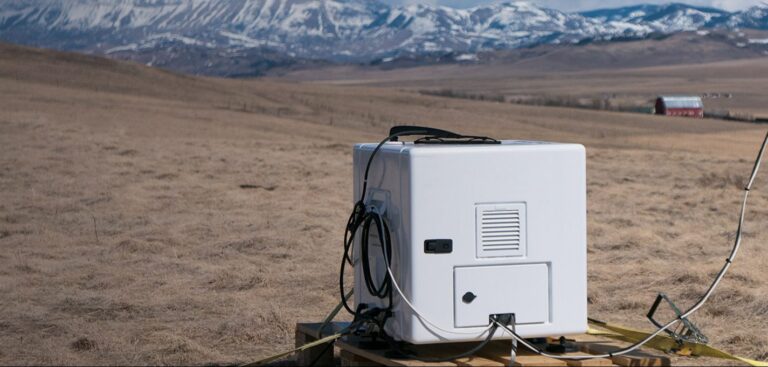
Leosphere, a Vaisala-owned company that specializes in developing, manufacturing and servicing wind lidar instruments for wind energy, has announced a number of improvements to its WindCube system, a vertical profiling lidar.

“With renewable energy technologies continuing to advance and proliferate, wind power generation is set to take off in an increasing number of geographies around the globe,” said David Pepy, head of renewable energy business, Leosphere.

“To maximize efficiency and production, a complete, accurate view of the wind profile is essential — particularly as wind turbines become increasingly larger, especially offshore. These latest WindCube enhancements provide that. Just as critical, our new services, including a suite of validation options through our partnership with DNV GL, will increase lidar operational continuity and maximize uptime. Combined, these new improvements empower wind farm developers and operators to harness the power of wind energy more quickly, efficiently and affordably.”

The company states that enhancements include a new, hybrid wind reconstruction algorithm alongside an increased wind measurement range and the capability to undertake more simultaneous measurements at different heights.

Furthermore, a suite of new validation services, delivered through a partnership with DNV GL, is claimed to maximize uptime and simplify third-party validations. The validations include testing against a ‘Golden Lidar’ before units leave the factory, IEC validation by DNV GL and an optional warranty service to maintain IEC compliance.

“We’ve reviewed already more than 45 of the enhanced WindCube lidars and can conclude that WindCube meets the highest standards for accuracy,” said Bastian Schmidt, remote sensing team leader at DNV GL. “The improvement of the wind reconstruction algorithm surely has the potential to help with bankability and measurement accuracy.”

Previous ArticleWMO highlights evidence for accelerating climate change indicators
Next Article NCAR commissions new supercomputer

Read Similar Stories

Weather Instruments

R.M. Young Company reengineers SNOdar snow-depth sensor

May 21, 20262 Mins Read
Climate Measurement

Cloud measurement campaign targets improved climate model accuracy

May 20, 20263 Mins Read
Automated Weather Stations

University of Vermont launches first station in statewide weather monitoring network

May 8, 20262 Mins Read
Latest News

VIDEO: Sentinel-6 satellite detects El Niño precursor in Pacific

June 4, 2026

New forecasting framework targets solar-limb flare blind spot

June 4, 2026

Colorado State University and Nvidia partner to extend severe storm prediction lead times

June 2, 2026

Receive breaking stories and features in your inbox each week, for free


Enter your email address:


Supplier Spotlights
  • AIRMAR Technology Corporation
Getting in Touch
  • Contact Us / Advertise
  • Meet the Editors
  • Media Pack
  • Free Weekly E-Newsletter
Our Social Channels
  • Facebook
  • LinkedIn
© 2026 UKi Media & Events a division of UKIP Media & Events Ltd
  • Cookie Policy
  • Privacy Policy
  • Terms and Conditions
  • Notice and Takedown Policy

Type above and press Enter to search. Press Esc to cancel.